Richwood, TX · Brazoria County
AC Unit Water Removal in Richwood, TXAC Leak Water Extraction & AC Condensate Drain Clearing
AC Unit Water Removal in Richwood covers AC leak water cleanup, AC condensate drain clearing and wet AC unit component drying.
Answered 24/7
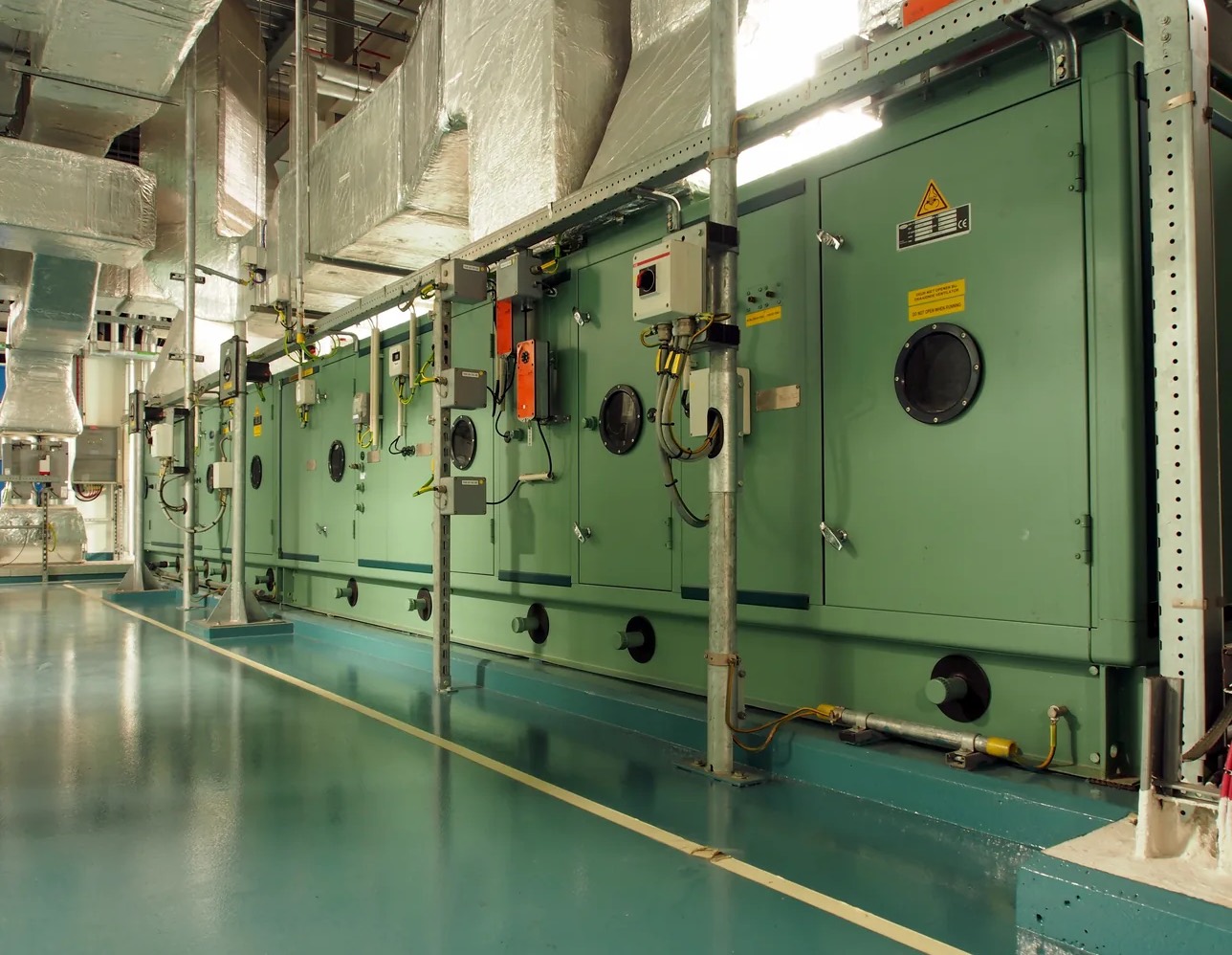
Local AC Unit Water Removal Services in Richwood, Texas
An air conditioner pulls gallons of water out of the air on a hot day. When the drain line clogs or the pan cracks, that water lands on ceilings, walls and floors in Richwood homes instead of draining outside.
A leaking AC in Richwood rarely fixes itself, and the water keeps soaking the same drywall and subfloor until the drain is cleared. Local water damage pros serve Richwood and nearby Lake Jackson, Clute and Oyster Creek, with help available around the clock for leaks of any size.
The AC Unit Water Removal Process in Richwood, TX
AC Leak Water Extraction
Extractors and pumps pull water from carpet, pad and hard floors around the unit, then hidden moisture is mapped in the subfloor.
AC Condensate Drain Clearing
A clogged condensate line is the most common reason an AC unit leaks. The pros flush out algae and sludge so condensate drains away again.
AC Drain Pan Water Extraction
Water sitting in a full or cracked drain pan is removed before it spills over into the ceiling or walls below.
Emergency AC Water Removal
A sudden AC flood can soak a ceiling or floor in hours. Emergency removal gets the water out before it spreads into framing and insulation.
Wet AC Unit Component Drying
Air movers and a dehumidifier are set around the unit, and moisture readings are taken until the metal and insulation test dry.
Warning Signs You Need AC Unit Water Removal
High Indoor Humidity Levels
Rooms that feel clammy while the AC runs may mean water is not draining and is evaporating back into the air.
Water Stains on Walls
Brown rings or peeling paint on the ceiling under an attic unit, or on walls near the closet, point to a slow leak.
Water on the Floor
A puddle around the air handler or furnace closet is the most direct sign of a leak.
AC System Shuts Off
Many units have a float switch that shuts the system off when the pan fills. If the AC stops cooling, check the pan.
How AC Unit Water Removal Works in Richwood
Step 1: Leak Assessment
The pros find the source of the leak, check how far the water spread and take moisture readings.
Step 2: Source Stop and Water Removal
The drain is cleared or the leaking part isolated, then standing water is extracted from every wet area.
Step 3: System Drying and Dehumidification
Drying equipment runs until walls, floors and insulation test dry, with readings taken at each visit.
Step 4: Verification and Restoration
Final readings confirm the materials are dry, then damaged drywall, trim or ceiling panels can be replaced.
Common Causes of AC Unit Water Damage in Richwood
High Static Pressure in Ducts
Restricted ducts can pull water off the coil and blow it into the cabinet or ductwork.
Damaged AC Drain Pan
Metal pans rust through and plastic pans crack with age, letting water drip straight through.
Age and Component Wear
Older units have worn fittings, brittle seals and corroded pans that start leaking together.
Failed Condensate Pump
Units that pump condensate uphill depend on a small pump. When it fails, the reservoir overflows.
Residential and Commercial AC Unit Water Removal in Richwood
Residential AC Unit Water Removal
For homeowners, the main risk is water soaking into insulation and drywall where no one sees it. Moisture meters find that hidden water so it can be dried before it causes rot.
Commercial AC Unit Water Removal
For property managers, one leaking unit can affect several suites or the floor below. Each wet area is extracted, dried and documented for the owner and insurer.
When to Hire Local Pros for AC Unit Water Removal in Richwood
DIY works for a small puddle on tile that you catch right away and wipe dry. Wet carpet and pad, or drywall that feels soft, usually need professional extraction and drying equipment to dry fully.
Understanding AC Unit Water Removal Pricing in Richwood
Pricing for AC unit water removal in Richwood is set after an inspection. The pros measure the wet area, check for hidden moisture and explain each item before starting.
Documentation Needs
Detailed photos and moisture logs for an insurance claim add some time to the job.
System Restoration Complexity
Replacing drywall, insulation or trim after drying adds material and labor to the total.
Required Drying Time
Dense materials and enclosed spaces take longer to dry, which means more equipment days.
Does Insurance Cover AC Unit Water Removal?
Many homeowner policies cover sudden water damage from an AC leak but not repairs to the unit itself or slow leaks from poor upkeep. Read your policy and call your insurer early.
Advantages of Hiring Local Pros in Richwood for AC Unit Water Removal
Leak Source Identification
The pros trace the leak to its source, whether that is a clog, a cracked pan or a failed pump.
Drain Pan Extraction
Both the main pan and the safety pan are emptied and checked for damage.
Detailed Moisture Documentation
Photos and moisture readings are recorded at each visit to support your insurance claim.
24/7 AC Unit Water Removal for Emergencies in Richwood
Water from an air handler spreads fast through drywall and carpet. Call (281) 717-6340 for emergency AC unit water removal in Richwood at any time of the day or night.
Call Now (281) 717-6340AC Unit Water Removal Throughout Richwood and Beyond
Help with AC unit water removal reaches Lake Jackson, Clute and Oyster Creek, plus other communities around Richwood, for houses, apartments and commercial buildings with leaking AC units.
Frequently Asked Questions About AC Unit Water Removal in Richwood
Why document AC water damage?
Photos and moisture readings show what got wet and how it was dried, which helps your insurance claim.
What happens if I ignore a drain pan overflow?
The leak keeps wetting the same materials, which can lead to rot, ceiling damage and microbial growth.
What happens during AC water extraction?
Pumps and extractors remove water from the pan, floor and carpet, then moisture meters check walls and subfloor for hidden water.
What is involved in AC unit water removal?
Standing water is extracted, the condensate line is cleared, and wet materials are dried with air movers and dehumidifiers until moisture readings are normal.
How quickly should I deal with an AC leak?
Right away. Water that sits for more than a day or two soaks into drywall and insulation and raises the risk of microbial growth.