South Houston, TX · Harris County
AC Unit Water Removal in South Houston, TXAC Leak Mold Prevention & Air Conditioner Restoration Services
AC Unit Water Removal in South Houston runs from emergency AC water removal and AC leak water cleanup to air conditioner restoration services.
Answered 24/7
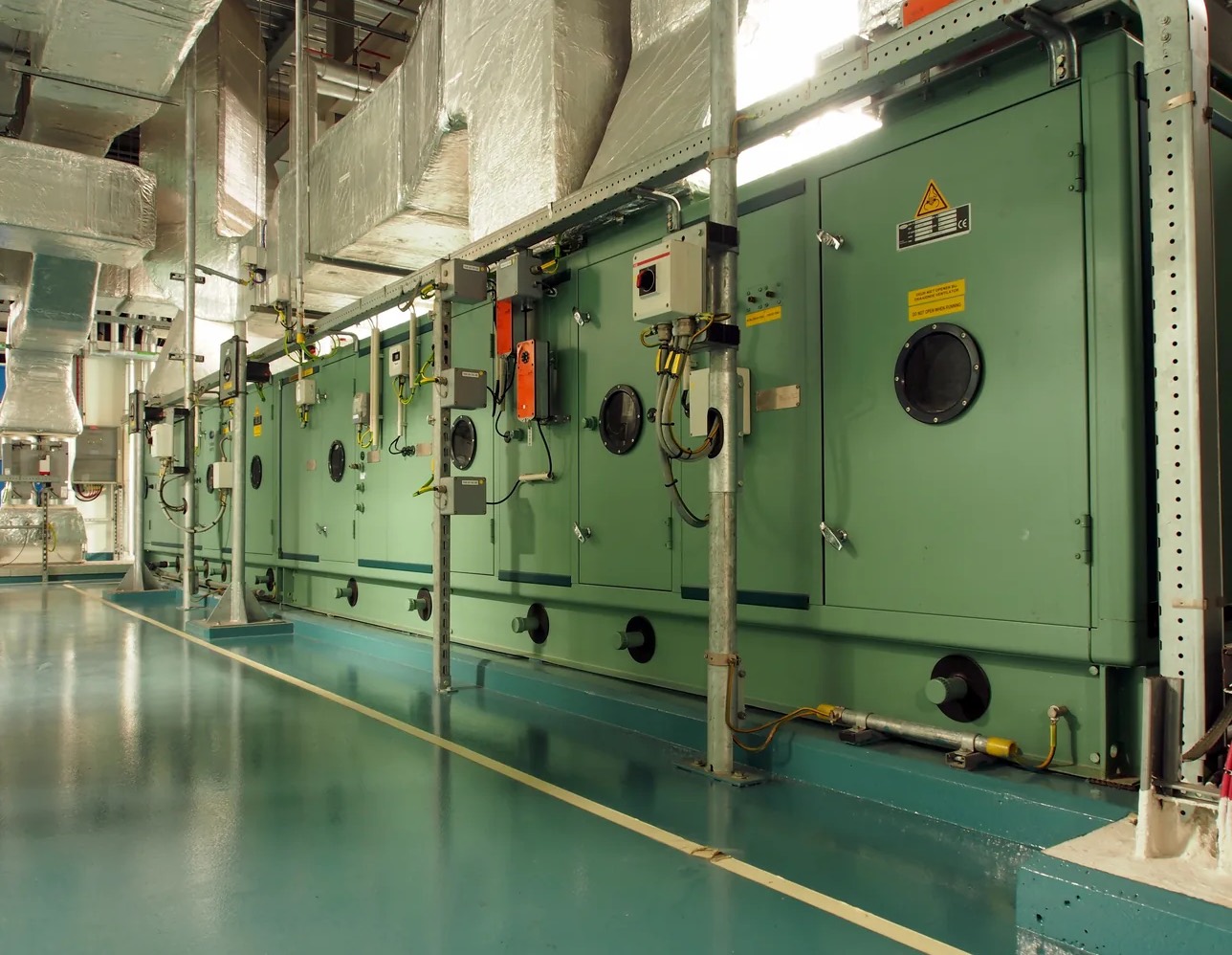
Local AC Unit Water Removal Services in South Houston, Texas
AC Unit Water Removal in South Houston covers the whole leak, from removing standing water to drying wet materials and repairing drywall or trim afterward. Each step depends on how far the water traveled and how long it sat.
A leaking AC in South Houston rarely fixes itself, and the water keeps soaking the same drywall and subfloor until the drain is cleared. Local air conditioner restoration pros serve South Houston and nearby Pasadena, Galena Park and Jacinto City, with help available around the clock for leaks of any size.
Comprehensive AC Unit Water Removal Solutions in South Houston
AC Leak Mold Prevention
Surfaces that stayed damp, such as framing under the air handler, are treated after drying so leftover spores have less to feed on.
Air Conditioner Restoration Services
After drying, damaged drywall, trim or ceiling panels near the unit can be replaced and repainted.
AC Condensate Drain Clearing
A clogged condensate line is the most common reason an AC unit leaks. The pros flush out algae and sludge so condensate drains away again.
Emergency AC Water Removal
A sudden AC flood can soak a ceiling or floor in hours. Emergency removal gets the water out before it spreads into framing and insulation.
Wet AC Unit Component Drying
Wet blower motors, panels and wiring are dried with gentle airflow and dehumidifiers rather than direct heat, which lowers the risk of corrosion and shorts.
Indicators for Emergency AC Unit Water Removal
Reduced Cooling Efficiency
A clogged drain can trip a float switch or starve the coil of airflow, so the system runs longer and cools less.
AC System Shuts Off
Many units have a float switch that shuts the system off when the pan fills. If the AC stops cooling, check the pan.
Water on the Floor
A puddle around the air handler or furnace closet is the most direct sign of a leak.
Condensation Line Dripping
A condensate line that drips inside instead of outside has a crack, loose fitting or clog.
How AC Unit Water Removal Works in South Houston
Step 1: AC Leak Water Cleanup
Pooled water is removed from around the air handler and from any rooms or ceilings the leak reached.
Step 2: AC Drain Pan Water Extraction
The primary and secondary pans are emptied and checked for cracks, rust holes or a stuck float switch.
Step 3: Component and Structure Drying
Wet panels, framing and subfloor are dried with targeted airflow and dehumidifiers until readings are normal.
Step 4: Documentation and Prevention
Photos and readings are recorded for insurance, and simple drain upkeep tips are shared to prevent a repeat.
Common Causes of AC Water Damage in South Houston
Improper AC Unit Installation
A unit that is not level, or a drain line without enough slope, lets water pool instead of draining.
Damaged AC Drain Pan
Metal pans rust through and plastic pans crack with age, letting water drip straight through.
Excess Outdoor Humidity
Very humid air makes the coil produce more water than a partly clogged drain can carry.
Clogged AC Condensation Line
Algae and sludge build up in the drain line over a cooling season until water backs up into the pan.
Residential and Commercial AC Unit Water Removal in South Houston
Residential AC Unit Water Removal
For homeowners, the main risk is water soaking into insulation and drywall where no one sees it. Moisture meters find that hidden water so it can be dried before it causes rot.
Commercial AC Unit Water Removal
For property managers, one leaking unit can affect several suites or the floor below. Each wet area is extracted, dried and documented for the owner and insurer.
AC Unit Water Removal vs. DIY: When to Call the Pros
You can turn off the AC, empty the pan and towel up a puddle yourself. Moisture already inside drywall or subflooring is harder, because it takes meters to find and drying equipment to remove it.
AC Unit Water Removal Cost in South Houston, TX
The cost of AC unit water removal in South Houston depends on how much water leaked, which materials got wet and how long drying takes. A clogged line caught early costs far less than a soaked ceiling.
Preventative Treatment Scope
Antimicrobial treatment is an optional step, priced by the size of the area treated.
Leak Source and Severity
A slow drip near the closet costs less to fix than an attic overflow that soaked a ceiling and the room below.
Required Drying Time
Dense materials and enclosed spaces take longer to dry, which means more equipment days.
Does Insurance Cover AC Unit Water Removal?
Insurers often ask whether the leak was sudden or ongoing. A record of when the water was found, what it reached and how it was dried helps answer that question.
Benefits of Local Pros for AC Unit Water Removal in South Houston
Systematic Drain Line Clearing
The condensate line is cleared, not just the water mopped up, so the leak does not come right back.
Industry Drying Standards
Drying follows industry water damage standards, with moisture readings at each visit.
24/7 Emergency Response
Help is available any hour, which matters when an attic unit starts leaking into a ceiling at night.
24/7 Emergency AC Unit Water Removal Response in South Houston
Night, weekend or holiday, local air conditioner restoration pros handle leaking AC units in South Houston. Call (281) 717-6340 to get the water out, the condensate drain cleared and drying started.
Call Now (281) 717-6340AC Unit Water Removal Throughout South Houston and Beyond
Besides South Houston, the pros handle AC leaks, wet ceilings and clogged condensate lines in nearby Pasadena, Galena Park and Jacinto City, day or night.
- AC Unit Water Removal in Pasadena
- AC Unit Water Removal in Galena Park
- AC Unit Water Removal in Jacinto City
- AC Unit Water Removal in Deer Park
- AC Unit Water Removal in Pearland
- AC Unit Water Removal in Webster
- AC Unit Water Removal in Friendswood
- AC Unit Water Removal in Channelview
- Emergency Damage Restoration in 77587
- Storm Damage Restoration in 77587
- Water Damage Restoration in 77587
- Water Extraction Service in 77587
- Water Leak Detection in 77587
- Water Removal Service in 77587
Common AC Unit Water Removal Questions Answered
What does emergency AC water removal include?
Shutting off the unit, extracting standing water, clearing the drain and starting drying equipment, at any hour.
Can a wet AC unit be saved after a leak?
Often yes. Components are dried gently and checked, but an HVAC contractor should inspect electrical parts before the unit runs again.
What equipment is used to dry AC leak damage?
Extractors, air movers, dehumidifiers and moisture meters, plus wet vacs or pumps for the drain line.
How quickly should I deal with an AC leak?
Right away. Water that sits for more than a day or two soaks into drywall and insulation and raises the risk of microbial growth.
Why document AC water damage?
Photos and moisture readings show what got wet and how it was dried, which helps your insurance claim.