Spring, TX · Harris County
AC Unit Water Removal in Spring, TXAir Conditioner Restoration Services & AC Leak Mold Prevention
AC Unit Water Removal in Spring handles AC drain pan water extraction, AC leak water cleanup and AC leak mold prevention before the water spreads.
Answered 24/7
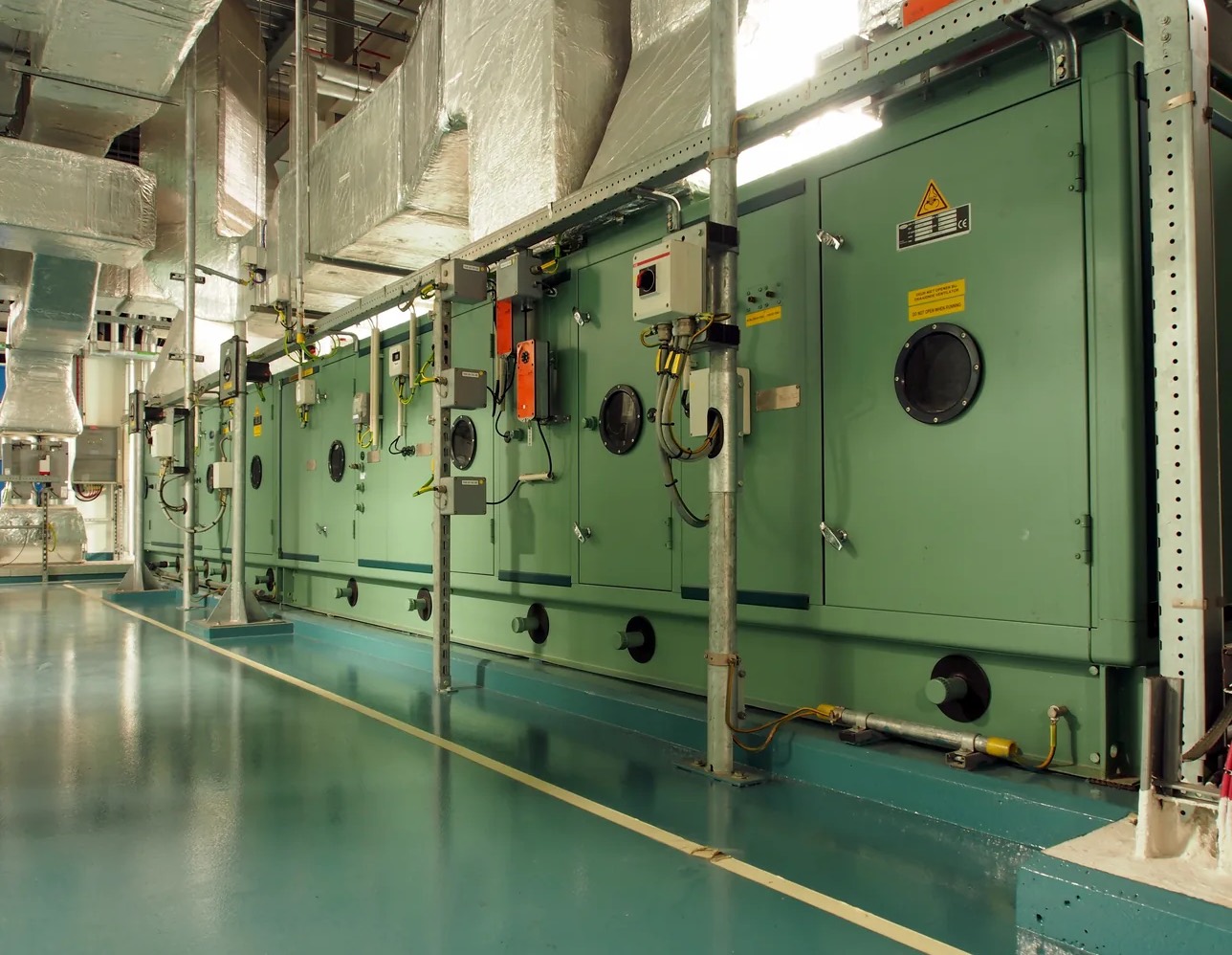
AC Unit Water Removal Near Spring: What to Expect
A leaking AC unit in Spring can wet drywall, carpet and electrical parts within hours. Water that sits for more than a day or two also raises the risk of microbial growth on wood and paper-faced drywall.
In Spring, AC leaks usually show up as ceiling stains under attic units, wet carpet near the furnace closet or water dripping from a vent. Help with AC unit water removal is available across Spring and in The Woodlands, Humble and Porter, day or night, with extraction, drain clearing and drying.
Detailed AC Unit Water Removal Offerings for Spring
Air Conditioner Restoration Services
Work finishes with cleanup and a check that the unit drains properly, so the leak does not return.
AC Leak Mold Prevention
Antimicrobial treatment is an add-on step after drying, not a substitute for removing wet materials that cannot be saved.
AC Condensate Drain Clearing
A clogged condensate line is the most common reason an AC unit leaks. The pros flush out algae and sludge so condensate drains away again.
Wet AC Unit Component Drying
Air movers and a dehumidifier are set around the unit, and moisture readings are taken until the metal and insulation test dry.
AC Leak Water Cleanup
Water from an overflowing air handler is extracted from the floor, closet or mechanical room, then nearby walls are checked with a moisture meter.
Indicators for Emergency AC Unit Water Removal
Wet AC Unit Components
Damp coils, a wet blower compartment or moisture around wiring inside the cabinet mean water is collecting where it should not.
Water Stains on Walls
Brown rings or peeling paint on the ceiling under an attic unit, or on walls near the closet, point to a slow leak.
Visible Mold Near AC
Dark spots on drywall or framing near the unit mean the area has stayed wet for days.
Reduced Cooling Efficiency
A clogged drain can trip a float switch or starve the coil of airflow, so the system runs longer and cools less.
How AC Unit Water Removal Works in Spring
Step 1: AC Leak Water Cleanup
Pooled water is removed from around the air handler and from any rooms or ceilings the leak reached.
Step 2: AC Drain Pan Water Extraction
The primary and secondary pans are emptied and checked for cracks, rust holes or a stuck float switch.
Step 3: Component and Structure Drying
Wet panels, framing and subfloor are dried with targeted airflow and dehumidifiers until readings are normal.
Step 4: Documentation and Prevention
Photos and readings are recorded for insurance, and simple drain upkeep tips are shared to prevent a repeat.
Common Causes of AC Water Damage in Spring
Clogged AC Condensation Line
Algae and sludge build up in the drain line over a cooling season until water backs up into the pan.
Disconnected Drain Line
A drain line knocked loose in the attic or closet empties condensate onto the ceiling or floor.
Damaged AC Drain Pan
Metal pans rust through and plastic pans crack with age, letting water drip straight through.
Improper AC Unit Installation
A unit that is not level, or a drain line without enough slope, lets water pool instead of draining.
AC Unit Water Removal Services for All Properties in Spring
Residential AC Unit Water Removal
In a home, an AC leak usually hits a hallway ceiling, a closet floor or the carpet near the air handler. Water removal and drying start there, followed by drywall repair if needed.
Commercial AC Unit Water Removal
In offices and stores, a leaking rooftop or ceiling unit drips onto desks, stock and floors and creates slip hazards. Work can be scheduled around business hours where possible.
The Risks of DIY AC Unit Water Removal in Spring
Mopping up a small drip and clearing the drain line with a wet vac is a reasonable DIY step. Call local water extraction experts if water reached the ceiling, walls or insulation, or if the leak keeps coming back after you clear the line.
AC Unit Water Removal Cost in Spring, TX
In Spring, most of the cost comes from extraction, equipment days and any drywall or insulation that has to be replaced. A walk-through sets the scope before work starts.
Leak Source and Severity
A slow drip near the closet costs less to fix than an attic overflow that soaked a ceiling and the room below.
System Restoration Complexity
Replacing drywall, insulation or trim after drying adds material and labor to the total.
Preventative Treatment Scope
Antimicrobial treatment is an optional step, priced by the size of the area treated.
Does Insurance Cover AC Unit Water Removal?
Coverage for AC unit water removal varies from policy to policy. The pros document the damage and the drying, but your insurer decides what is covered and what is not, so ask early in the claim.
Why Choose Local Pros for AC Unit Water Removal in Spring
Detailed Moisture Documentation
Photos and moisture readings are recorded at each visit to support your insurance claim.
Drain Pan Extraction
Both the main pan and the safety pan are emptied and checked for damage.
Focus on Component Preservation
Wet blower motors and wiring are dried gently to lower the risk of corrosion and electrical faults.
24/7 AC Unit Water Removal for Emergencies in Spring
If water is near wiring or the breaker keeps tripping, turn off power to the unit and stay clear of the wet area. Then call (281) 717-6340 for help in Spring.
Call Now (281) 717-6340Local AC Unit Water Removal Coverage for Spring, The Woodlands, Humble and Porter
Besides Spring, local water extraction experts handle AC leaks, wet ceilings and clogged condensate lines in nearby The Woodlands, Humble and Porter, day or night.
- AC Unit Water Removal in The Woodlands
- AC Unit Water Removal in Humble
- AC Unit Water Removal in Porter
- AC Unit Water Removal in New Caney
- AC Unit Water Removal in Tomball
- AC Unit Water Removal in Conroe
- AC Unit Water Removal in Pinehurst
- AC Unit Water Removal in Magnolia
- Emergency Damage Restoration in 77373
- Storm Damage Restoration in 77373
- Water Damage Restoration in 77373
- Water Extraction Service in 77373
- Water Leak Detection in 77373
- Water Removal Service in 77373
- Emergency Damage Restoration in 77379
- Storm Damage Restoration in 77379
Common AC Unit Water Removal Questions Answered
Can a wet AC unit be saved after a leak?
Often yes. Components are dried gently and checked, but an HVAC contractor should inspect electrical parts before the unit runs again.
Can an AC condensation leak damage the ceiling?
Yes. Attic units leak straight into the drywall below, causing stains, sagging and eventually collapse if left alone.
What happens during AC water extraction?
Pumps and extractors remove water from the pan, floor and carpet, then moisture meters check walls and subfloor for hidden water.
How does antimicrobial treatment help after an AC leak?
Once surfaces are dry, an antimicrobial can be applied to wood and drywall that stayed wet to slow microbial growth.
How long does drying take after an AC leak?
Often several days, depending on the materials and how long they were wet. Daily readings track progress.