Spring, TX · Harris County
Attic Water Extraction in Spring, TXWet Attic Insulation Removal & Attic Mold Prevention
Attic Water Extraction in Spring runs from attic leak water cleanup and attic drying services to ceiling water damage cleanup.
Answered 24/7
Attic Water Extraction Solutions in Spring, Texas
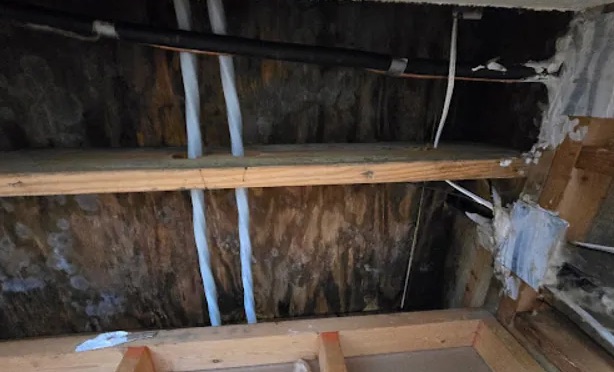
Attic Water Extraction in Spring usually follows one of three events. A storm damaged the roof, a pipe or water heater failed in the attic, or an AC drain pan overflowed.
In Spring, The Woodlands, Humble and Porter, attic leaks often go unnoticed until a ceiling stains. The pros get the water and wet insulation out before the ceiling has to be replaced.
The Attic Water Extraction Process for Properties in Spring
Wet Attic Insulation Removal
Insulation is removed only where it got wet. Dry insulation nearby is left in place and protected during the work.
Attic Mold Prevention
Drying the attic quickly is the main way to limit mold on wood. Treatment is added for areas that were wet for days.
Attic Leak Water Cleanup
Leak cleanup clears water, wet debris and fallen insulation from the attic floor so the wood and ceiling can start drying.
Attic Moisture Inspection
Moisture meters and thermal cameras check decking, rafters, insulation and ceiling drywall for water that is not visible.
Roof Leak Water Removal
Roof leaks often show up far from where they start. Moisture meters trace the water back along the decking to its entry point.
Indicators of Attic Water Damage in Spring
Visible Mold in Attic
Dark spots on rafters or decking mean the wood has stayed damp for some time.
Sagging or Bulging Ceilings
A ceiling that bulges or droops is holding water and can fall. Keep people out of the room below.
Insect Infestations in Attic
Wet wood draws insects, so new activity in the attic can be a sign of an ongoing leak.
Damp Attic Insulation
Insulation that feels damp, looks matted or has dark patches has been soaking up water.
How Attic Water Extraction Works in Spring
Step 1: Initial Attic Moisture Inspection
Meters and thermal cameras show where water pooled and how far it spread from the leak.
Step 2: Roof Leak Water Removal
Rainwater is extracted from the attic floor, and a tarp is placed over roof damage if needed.
Step 3: Dehumidification and Air Scrubbing
Dehumidifiers dry the attic air while air scrubbers capture dust from insulation removal.
Step 4: Verification of Dryness
Final readings are compared with dry areas to confirm the attic and ceiling are back to normal.
Common Causes of Attic Water Damage in Spring
Condensation From Poor Ventilation
Warm, moist air from the house condenses on roof decking when the attic lacks ventilation.
Aging or Deteriorated Roofing Materials
Old, curled or cracked shingles and worn underlayment let water through during heavy rain.
Roof Leaks From Storm Damage
Wind and hail can lift or break shingles, letting rain reach the decking and the attic floor.
Attic Appliance Malfunction
Water heaters, humidifiers and other attic equipment can fail and leak with no warning.
Attic Water Extraction for Homes and Businesses in Spring
Residential Attic Water Extraction
Homeowners often keep boxes and seasonal items in the attic. Wet items are moved out first so the floor can be extracted and the insulation removed.
Commercial Attic Water Extraction
Offices and stores need the area below protected during attic work. Extraction and drying are planned around business hours where possible.
Professional Attic Water Extraction or DIY in Spring?
Do not walk on attic drywall between the joists. It will not hold your weight. If water is pooled up there, call (281) 717-6340 instead of trying to reach it.
Understanding Attic Water Extraction Cost in Spring
Water extracted from an attic in Spring the same day usually means less ceiling drywall to replace than water left over a weekend.
Access and Complexity
Low headroom, tight access hatches and narrow joists make the work slower.
Mold Prevention Steps
Antimicrobial treatment of wood that stayed wet is an added step, priced by area.
Material Removal Needs
Wet insulation and ceiling drywall that must be removed add labor and disposal costs.
Does Insurance Cover Attic Water Extraction?
Photograph the ceiling, attic and any roof damage before cleanup starts, and keep receipts for tarping and emergency extraction for your claim.
Advantages of Hiring Local Pros for Attic Water Extraction in Spring
Advanced Moisture Detection
Moisture meters and thermal cameras find wet insulation and wood that look dry.
Detailed Documentation
Photos, readings and drying logs are kept to support your insurance claim.
Wet Insulation Handling
Wet insulation is bagged and removed without spreading debris into the living space.
Around-the-Clock Attic Water Extraction in Spring
Water in the attic soaks the ceiling below fast. Call (281) 717-6340 for attic water extraction in Spring at any hour, including storms and holidays.
Call Now (281) 717-6340Attic Water Extraction Near Spring: Areas Served
Help with attic water extraction reaches The Woodlands, Humble and Porter, plus other communities around Spring, for houses, townhomes and commercial buildings.
- Attic Water Extraction in The Woodlands
- Attic Water Extraction in Humble
- Attic Water Extraction in Porter
- Attic Water Extraction in New Caney
- Attic Water Extraction in Tomball
- Attic Water Extraction in Conroe
- Attic Water Extraction in Pinehurst
- Attic Water Extraction in Magnolia
- Emergency Damage Restoration in 77373
- Storm Damage Restoration in 77373
- Water Damage Restoration in 77373
- Water Extraction Service in 77373
- Water Leak Detection in 77373
- Water Removal Service in 77373
- Emergency Damage Restoration in 77379
- Storm Damage Restoration in 77379
Common Attic Water Extraction Questions Answered
What happens during ceiling water damage cleanup?
Water in the ceiling is drained, sagging drywall is removed, debris is cleared and the cavity is dried before repairs.
Can I remove attic water myself?
Small drips onto plastic can be handled, but pooled water and soaked insulation need safe footing, equipment and drying.
What follows after the attic is dry?
New insulation can be installed, and ceiling drywall below is repaired, taped and painted.
How quickly should I deal with water in my attic?
Right away. Water sitting on ceiling drywall can make it sag or fall within a day, and wet wood starts to break down.
Can wet attic insulation be saved?
Lightly damp areas sometimes dry, but soaked or matted insulation is usually removed and replaced after the attic is dry.