Richwood, TX · Brazoria County
Attic Water Removal in Richwood, TXAttic Drying Services & Attic Leak Water Cleanup
Attic Water Removal in Richwood runs from roof leak water removal and wet attic insulation removal to ceiling water damage cleanup.
Answered 24/7
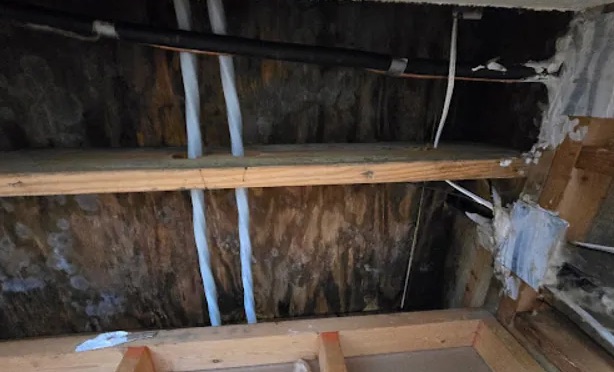
Attic Water Removal Services for Richwood Homes
Getting water out of an attic is slow, careful work. Joists are narrow, the space is cramped and the ceiling below cannot take any weight. In Richwood, the pros bring boards, lights and gear sized for attic work.
Homes in Richwood and nearby Lake Jackson, Clute and Oyster Creek often have AC units, ducts and plumbing in the attic, as well as insulation. The pros handle water from any of those sources, plus roof leaks after storms.
Detailed Attic Water Removal Solutions
Attic Drying Services
Drying continues until rafters, decking and ceiling drywall reach normal moisture readings, which is often several days.
Attic Leak Water Cleanup
The leak is stopped or tarped first, then water on the attic floor, on top of the drywall and around ducts and wiring is removed with wet vacs.
Attic Moisture Inspection
Readings are recorded at the start and at each visit, giving a clear drying history for your records and insurer.
Roof Leak Water Removal
The entry point is photographed and marked, which helps both the roofer and your insurance adjuster.
Emergency Attic Water Extraction
Emergency extraction starts with buckets and containment under active drips, then moves to pulling pooled water off the attic floor.
Symptoms Requiring Attic Water Removal in Richwood
Water Stains on Ceiling
A brown ring or yellow patch on an upstairs ceiling usually means water is sitting on the drywall from the attic.
Peeling Paint on Ceilings or Walls
Paint that peels or blisters on upstairs ceilings and walls often has water behind it.
Water Dripping From Light Fixtures
Water dripping from a ceiling light or fan means an active leak above. Turn off that circuit.
Wet or Damp Attic Insulation
Insulation that feels damp, looks dark or has packed down in one area has absorbed water.
How Attic Water Removal Works in Richwood
Step 1: Initial Attic Water Damage Assessment
The pros check safety, find the source and map the wet area with moisture meters.
Step 2: Bulk Water and Material Removal
Pooled water, soaked insulation and any sagging drywall are removed from the attic and ceiling.
Step 3: Attic Drying and Evaporation
Warm, dry airflow is aimed at wet wood, with dehumidifiers removing the moisture it releases.
Step 4: Attic Mold Prevention
Once dry, decking and framing that stayed wet can be cleaned and treated with an antimicrobial.
Leading Origins of Attic Water Damage
Flashing Failures Around Roof Penetrations
Failed flashing around vents, chimneys and skylights lets rain run into the attic.
Condensation From Poor Attic Ventilation
Moist air from the house condenses on roof decking when attic ventilation is poor.
Appliance Malfunctions Like Water Heater Leaks
Water heaters located in the attic can leak or fail, flooding the attic floor.
Clogged or Disconnected Gutters
Clogged or loose gutters let water back up under the roof edge and into the soffits.
Home and Business Attic Water Removal Solutions
Residential Attic Water Removal
In houses, attic water usually reaches a bedroom or hallway ceiling. Water and wet insulation are removed from above, and the ceiling below is dried or replaced.
Commercial Attic Water Removal
In commercial buildings, water above a drop ceiling soaks tiles and insulation over several rooms. Wet tiles are removed and the plenum space above is dried.
Attic Water Removal vs. DIY: When to Call the Pros
If you can do it safely, look into the attic with a flashlight to find the wet area. Removing soaked insulation and drying the framing needs boards, protective gear and equipment.
Estimating Attic Water Removal Expenses in Richwood
The cost of attic water removal in Richwood depends on how far the water spread, how much insulation is wet and whether ceiling drywall below must be replaced.
Type of Insulation Affected
Blown-in insulation takes more time to remove than batts, and both add disposal costs.
Access and Attic Complexity
Low headroom and small access hatches make attic work slower than open spaces.
Water Contamination Level
Clean rainwater is simpler to handle than water from a drain line or other dirty source.
Does Insurance Cover Attic Water Removal?
Ceiling damage in the rooms below is usually part of the same attic claim. Make sure the adjuster sees both spaces.
The Value of Local Attic Water Removal Experts
Mold Inhibitor Application
Wood that stayed wet can be treated with an antimicrobial after it is dried.
24/7 Emergency Response
Help is available day or night when water is coming through the ceiling.
Industry Drying Standards
Drying follows industry water damage standards, with moisture readings taken at every visit.
Round-the-Clock Attic Water Removal for Richwood
Night, weekend or holiday, local attic drying specialists handle attic water in Richwood. Call (281) 717-6340 to get the water out and the ceiling protected.
Call Now (281) 717-6340Local Attic Water Removal Coverage Area
Nearby areas served for attic water removal include Lake Jackson, Clute and Oyster Creek, with the same water removal and drying steps used in Richwood.
Attic Water Removal Questions and Answers
How do professionals dry an attic?
With air movers and dehumidifiers placed on boards across the joists, checking moisture readings daily until the wood is dry.
What causes attic water damage?
Roof leaks, plumbing failures, attic AC overflows, water heater leaks, loose bath fan ducts and poor ventilation.
How quickly should I deal with water in my attic?
Right away. Water on top of ceiling drywall soaks in and adds weight, and the ceiling can sag or fall within a day.
How long does attic drying take?
Often several days, depending on how wet the wood is, the attic temperature and how much insulation was removed.
What happens during wet attic cleanup?
Water, wet insulation and debris are removed, stored items are moved out and the attic floor is cleaned before drying.