Dayton, TX · Liberty County
Basement Water Damage Restoration in Dayton, TXBasement Sewer Backup Cleanup & Basement Mold Prevention
Basement Water Damage Restoration in Dayton includes emergency basement flood cleanup, basement sewer backup cleanup and basement wall drying.
Answered 24/7
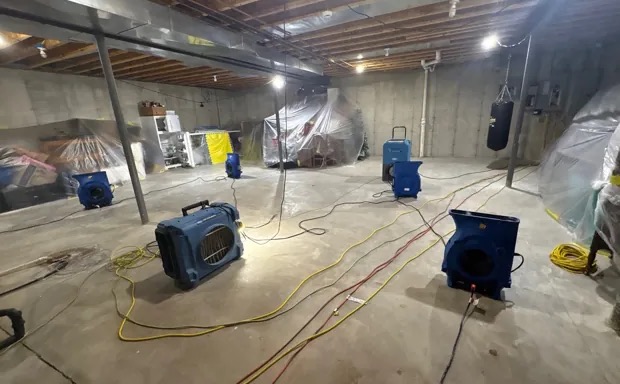
Basement Water Damage Restoration for Dayton Homes
In a Dayton home with a basement and a sump pump, a pump that fails during heavy rain lets water rise fast. Furnaces, water heaters, washers and stored belongings all sit at floor level and take the damage first.
Basements are uncommon in Dayton. The same extraction and drying steps apply to slab-level rooms, sunken dens and garages that take on water.
Homes in Dayton and nearby Liberty, Mont Belvieu and Crosby with basements deal with seepage, plumbing leaks and sewer backups. Help with basement water damage restoration covers pumping, removal of wet materials and drying of walls and concrete.
Basement Water Damage Restoration Solutions Available in Dayton
Basement Sewer Backup Cleanup
Sewage that backs up through a floor drain or toilet is extracted with protective gear, and the area is contained from the rest of the house.
Basement Mold Prevention
Keeping basement humidity low after drying helps prevent mold from returning, especially in finished spaces.
Basement Wall Drying
Finished basement walls hide wet insulation and framing. Removing the bottom of the drywall lets air reach the cavity.
Basement Drying Services
Equipment is adjusted each day based on moisture readings until every material reaches its normal level.
Basement Floor Water Removal
Wet carpet pad is removed from basement floors, since it holds water against the concrete and dries poorly.
Indicators for Basement Water Damage Restoration in Dayton
Standing Water in the Basement
Any standing water on the basement floor needs pumping right away, before it soaks walls and framing.
Peeling Paint or Wallpaper
Paint that peels or blisters on basement walls often has moisture behind it.
Rusted Appliances or Pipes
Rust on the water heater, furnace base or pipes points to repeated moisture or past flooding.
Damp or Musty Odors
A damp, earthy or musty smell in the basement often means hidden moisture in walls, carpet or the slab.
How Basement Water Damage Restoration Works in Dayton
Step 1: Floodwater Pump-Out
Submersible pumps remove deep water, and electrical hazards are checked before anyone walks in it.
Step 2: Deep Moisture Extraction
Extractors pull water from carpet, pad and the concrete floor after the deep water is gone.
Step 3: Air Circulation and Drying
Air movers keep dry air moving across walls and floors throughout the basement.
Step 4: Dehumidification and Verification
Dehumidifiers run until humidity and material readings confirm the basement is dry.
What Causes Basement Water Damage Restoration in Dayton
HVAC Condensate Line Overflow
A clogged furnace or air conditioner condensate line can overflow onto the floor of a basement or lower-level utility room.
Stormwater Runoff Into Lower Levels
Heavy rain running off hard ground or a sloped yard can pour down stairwells and under doors into below-grade rooms.
Faulty Basement Waterproofing
Old or failed waterproofing on foundation walls lets water through during wet weather.
Failed or Clogged Drain Tile
Clogged or collapsed drain tile around the foundation lets water build up against the walls.
Basement Water Damage Restoration for All Properties in Dayton
Residential Basement Water Damage Restoration
Homeowners with older basements may have seepage that returns with each storm. Drying fixes the current damage, and the source is noted for a waterproofing contractor.
Commercial Basement Water Damage Restoration
Apartment and condo buildings with shared basements or lower levels may have laundry and storage below grade. Each area is extracted, dried and recorded for the building manager.
DIY vs. Professional Basement Water Damage Restoration in Dayton
If a small leak left a puddle on bare concrete, a wet vac and a dehumidifier may be enough. Call local restoration pros if water reached drywall, carpet or framing, or if it came from a sewer drain.
What Influences Basement Water Damage Restoration Cost in Dayton
Before pricing basement water damage restoration in Dayton, the pros check the water depth, the type of water and what the basement is finished with.
Secondary Damage
Damage to furnaces, water heaters and belongings adds repair and replacement costs.
Affected Square Footage
Larger basements need more extraction, more drying equipment and more days of drying time.
Water Category
Clean water costs less to handle than sewage, which needs protective gear, removal and disinfection.
Does Insurance Cover Basement Water Damage Restoration?
Coverage for basement water damage restoration depends on where the water came from and your policy terms. The pros document the damage, and your insurer decides what is covered.
Why Choose Local Pros for Basement Water Damage Restoration in Dayton
Mold Prevention Focus
Fast drying is the main way to limit microbial growth in a below-grade space.
24/7 Emergency Response
Help is available day or night when water is rising in the basement.
Industrial-Grade Equipment
Pumps, extractors and large dehumidifiers remove water much faster than household wet vacs and fans.
24/7 Emergency Basement Water Damage Restoration for Dayton
If water is near outlets or the electrical panel, do not walk into it. Call (281) 717-6340 for help in Dayton and wait for the power to be made safe.
Call Now (281) 717-6340Basement Water Damage Restoration Near Dayton: Areas Served
Basement water removal and drying also cover homes and buildings in Liberty, Mont Belvieu and Crosby, close to Dayton, day or night.
- Basement Water Damage Restoration in Liberty
- Basement Water Damage Restoration in Mont Belvieu
- Basement Water Damage Restoration in Crosby
- Basement Water Damage Restoration in Barrett
- Basement Water Damage Restoration in Atascocita
- Basement Water Damage Restoration in Highlands
- Basement Water Damage Restoration in Baytown
- Basement Water Damage Restoration in Kingwood
- Emergency Damage Restoration in 77535
- Storm Damage Restoration in 77535
- Water Damage Restoration in 77535
- Water Extraction Service in 77535
- Water Leak Detection in 77535
- Water Removal Service in 77535
Your Basement Water Damage Restoration Questions Addressed
Should I try below-grade waterproofing myself after flooding?
Sealing a small crack can be a DIY job, but drying must come first, and larger waterproofing work should go to a contractor.
What health risks come with delayed basement flood cleanup?
Standing water and wet materials can support bacteria and microbial growth, and sewage carries contaminants that need disinfection.
How soon should I call for basement water extraction after a leak?
Right away. Water wicks up drywall and soaks framing within hours, and below-grade spaces are slow to dry.
Why is dehumidification so important after basement water removal?
Basements hold moisture in the air and concrete. Without dehumidifiers, walls and framing stay damp long after the water is gone.
Can wet basement drywall be saved after water damage?
Sometimes, if the water was clean and removed quickly. Soaked or sewage-contaminated drywall is cut out above the water line.