Deer Park, TX · Harris County
Basement Water Damage Restoration in Deer Park, TXBasement Drying Services & Basement Dehumidification
Basement Water Damage Restoration in Deer Park runs from basement water extraction and basement floor water removal to basement dehumidification.
Answered 24/7
Basement Water Damage Restoration Solutions in Deer Park, Texas
In a Deer Park home with a basement and a sump pump, a pump that fails during heavy rain lets water rise fast. Furnaces, water heaters, washers and stored belongings all sit at floor level and take the damage first.
Basements are uncommon in Deer Park. The same extraction and drying steps apply to slab-level rooms, sunken dens and garages that take on water.
In Deer Park, a home with a basement or below-grade room can flood after heavy rain or a blocked sewer line. Local restoration pros serve Deer Park, Channelview, Pasadena and Cloverleaf, pumping out water and drying finished and unfinished spaces.
Complete Basement Water Damage Restoration for Deer Park
Basement Drying Services
Drying a basement takes longer than drying an upper floor because the air is cool and the concrete holds moisture.
Basement Dehumidification
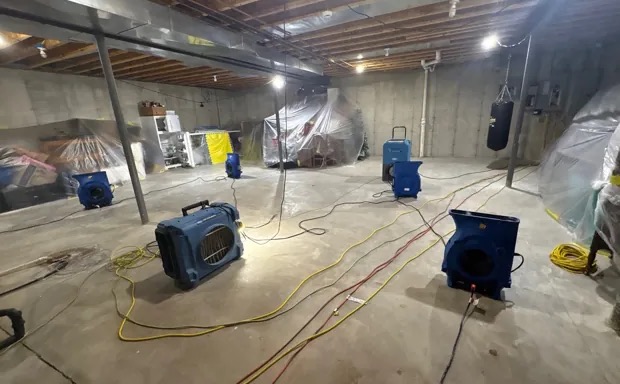
Large dehumidifiers pull moisture from the basement air so walls, framing and the slab can release their water.
Basement Wall Drying
Concrete and block walls are dried with directed airflow and dehumidifiers, and checked with meters until readings drop.
Basement Mold Prevention
After drying, an antimicrobial can be applied to framing and concrete that were wet, to slow mold on surfaces that stay in place.
Basement Sewer Backup Cleanup
After a sewer backup, cleanup and disinfection come before drying, so contaminated surfaces are not left in place.
When to Consider Basement Water Damage Restoration for Your Deer Park Home
Condensation on Windows or Pipes
Water beading on cold pipes or basement windows shows high humidity that keeps materials damp.
Rusted Appliances or Pipes
Rust on the water heater, furnace base or pipes points to repeated moisture or past flooding.
Peeling Paint or Wallpaper
Paint that peels or blisters on basement walls often has moisture behind it.
Sewage Odors or Backups
Sewage smells or water coming up through a floor drain mean the sewer line is backing up.
How Basement Water Damage Restoration Works in Deer Park
Step 1: Water Removal
Pumps and extractors remove standing water from the basement floor, starting at the lowest point.
Step 2: Targeted Moisture Evaporation
Air movers are aimed at wet walls, framing and the slab to speed evaporation.
Step 3: Humidity Control
Large dehumidifiers pull moisture from the basement air, with readings checked every day.
Step 4: Final Verification and Restoration
Final readings confirm the basement is dry, and the space is ready for drywall and flooring repairs.
Frequent Sources of Water Damage in Deer Park
Water Heater or Appliance Leaks
Water heaters, washers and utility sinks in the basement can leak or fail without warning.
Sewer Line Backups
A blocked or overloaded sewer line pushes wastewater up through basement drains and toilets.
Clogged Floor Drains
A floor drain blocked by debris cannot carry off water from a leak or overflow, so it spreads across the basement floor.
Faulty Basement Waterproofing
Old or failed waterproofing on foundation walls lets water through during wet weather.
Home and Business Basement Water Damage Restoration in Deer Park
Residential Basement Water Damage Restoration
A sewer backup in a home basement needs contaminated carpet, pad and drywall removed and every hard surface disinfected before drying.
Commercial Basement Water Damage Restoration
In restaurants and stores with basements, sewage backups need fast containment so contamination does not reach food or customer areas.
Professional Basement Water Damage Restoration or DIY in Deer Park?
If a small leak left a puddle on bare concrete, a wet vac and a dehumidifier may be enough. Call local restoration pros if water reached drywall, carpet or framing, or if it came from a sewer drain.
What Influences Basement Water Damage Restoration Cost in Deer Park
A basement pumped and dried right away in Deer Park usually costs less than one left wet for days, when more drywall and flooring are lost.
Drying Time Required
Basements dry slowly, and longer drying means more equipment days and monitoring visits.
Material Saturation
Finished basements with carpet, drywall and insulation take more removal work than bare concrete.
Affected Square Footage
Larger basements need more extraction, more drying equipment and more days of drying time.
Does Insurance Cover Basement Water Damage Restoration?
Flood damage from rising outside water usually needs flood insurance. Water from inside the home, like a broken pipe, is more often covered.
Reasons to Hire Local Pros for Basement Water Damage Restoration in Deer Park
Mold Prevention Focus
Fast drying is the main way to limit microbial growth in a below-grade space.
Containment Strategies
Plastic sheeting keeps contaminated areas separate from clean parts of the house.
Water Extraction First
Water is removed from floors, carpet and pad before drying starts, which shortens drying time.
Round-the-Clock Emergency Basement Water Damage Restoration in Deer Park
A flooded basement damages walls, furnaces, water heaters and belongings quickly. Call (281) 717-6340 for basement water damage restoration in Deer Park at any hour.
Call Now (281) 717-6340Basement Water Damage Restoration Near Deer Park: Areas Served
Need basement water damage restoration outside Deer Park? Service also covers Channelview, Pasadena and Cloverleaf, including emergency help during storms.
- Basement Water Damage Restoration in Channelview
- Basement Water Damage Restoration in Pasadena
- Basement Water Damage Restoration in Cloverleaf
- Basement Water Damage Restoration in Galena Park
- Basement Water Damage Restoration in La Porte
- Basement Water Damage Restoration in Morgan's Point
- Basement Water Damage Restoration in South Houston
- Basement Water Damage Restoration in El Lago
- Emergency Damage Restoration in 77536
- Storm Damage Restoration in 77536
- Water Damage Restoration in 77536
- Water Extraction Service in 77536
- Water Leak Detection in 77536
- Water Removal Service in 77536
Frequently Asked Questions About Basement Water Damage Restoration
Is basement floor water removal different from carpet extraction?
Yes. Bare concrete is squeegeed and dried, while carpet and pad need extraction, and the pad is usually replaced.
What is involved in basement water damage restoration?
Pumping out water, removing soaked materials, cleaning contaminated areas, drying walls, framing and concrete, and dehumidifying until readings are normal.
What does below-grade moisture removal include beyond pumping?
Extracting carpet and pad, opening wet walls, running air movers and dehumidifiers, and checking readings until dry.
What is the purpose of basement wall drying?
To remove water from drywall, insulation, framing and concrete so the walls can be repaired without trapping moisture.
How long does below-grade drying take after a flood?
Often several days or longer, since concrete and cool basement air dry slowly. Daily readings show progress.