South Houston, TX · Harris County
Basement Water Extraction in South Houston, TXFoundation Leak Water Extraction & Basement Mold Prevention Services
Get basement water extraction in South Houston for foundation leak water extraction, emergency basement drying and basement mold prevention services.
Answered 24/7
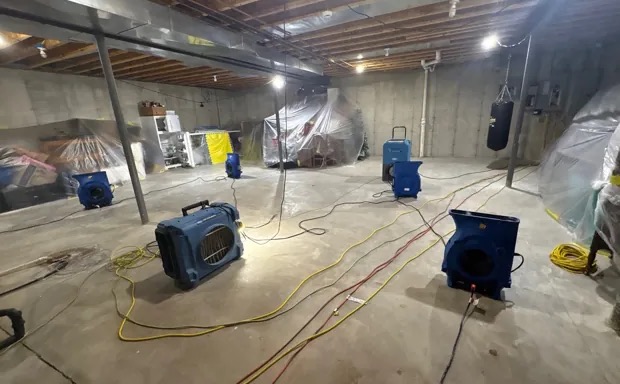
Local Basement Water Extraction Services for South Houston Homes
A burst pipe or heavy storm in South Houston can cover the basement floor with water in a short time. Furnaces, water heaters and anything stored on the floor take the hit first.
Few homes in South Houston are built with basements, so these steps are usually applied to the lowest rooms of a house, a garage or a crawl space instead.
In South Houston, when a basement or below-grade room floods, it is usually after heavy rain or a burst pipe. Local water damage pros serve South Houston, Pasadena, Galena Park and Jacinto City, pumping out water and starting drying.
Basement Water Extraction Solutions Available in South Houston
Foundation Leak Water Extraction
Foundation leaks often wet the same wall each storm. Extraction and drying fix today's damage, and the leak location is noted for a waterproofing contractor.
Basement Mold Prevention Services
After drying, an antimicrobial can be applied to studs, sill plates and the slab to slow mold on surfaces that stay in place.
Basement Flood Water Extraction
Water is pumped to a safe discharge point outside, away from the foundation, so it does not seep back in.
Finished Basement Water Damage Repair
Laminate, vinyl plank and carpet in finished basements trap water against the slab. Some flooring is lifted so the concrete can dry.
Basement Sewage Backup Cleanup
After a sewage backup, carpet, pad and lower drywall it touched are removed and bagged, and concrete and framing are disinfected.
How to Know You Need Basement Water Extraction in South Houston
Damp or Wet Carpeting
Carpet that feels damp or cold underfoot is holding water in the pad against the concrete.
Efflorescence on Foundation Walls
White, powdery deposits on foundation walls mean water is moving through the concrete.
Cracked Foundation Walls
Cracks in foundation walls, especially with damp edges, are common entry points for water.
Musty Smell in the Basement
A musty, earthy smell in the basement usually means something down there is staying wet.
How Basement Water Extraction Works in South Houston
Step 1: Source Containment and Extraction
The leak or backup is stopped, then water is extracted from every wet area.
Step 2: Saturation Mapping and Monitoring
Moisture readings are mapped across walls and floors and rechecked each day.
Step 3: Air Movement
Air movers keep dry air flowing over wet walls and the slab to speed evaporation.
Step 4: Verification of Dryness
Final readings are compared to dry areas before equipment is removed and repairs begin.
Leading Causes of Wet Basements in South Houston
Clogged or Damaged Gutters
Overflowing gutters and short downspouts dump roof water right next to basement walls.
Appliance Malfunctions and Overflows
Washers, utility sinks and dehumidifier drains in the basement can overflow or leak.
Foundation Cracks and Leaks
Cracks in foundation walls and floors let groundwater seep in during wet weather.
Faulty or Leaking Plumbing
Leaking supply lines, drain pipes and water heaters in the basement soak floors and walls.
Basement Water Extraction for Homes and Businesses in South Houston
Residential Basement Water Extraction
Older homes with a basement may have seepage that returns each heavy storm. Extraction handles the current water, and the entry point is noted for a waterproofing contractor.
Commercial Basement Water Extraction
Apartment buildings with shared basements need each storage and laundry area extracted and dried, with records kept for the building manager.
Basement Water Extraction vs. DIY: When to Call the Pros
A small puddle on bare concrete can be handled with a wet vac and a dehumidifier. Call local water damage pros if water reached carpet, drywall or framing, or if it came up through a drain.
Understanding Basement Water Extraction Cost in South Houston
Sewage cleanup, finished walls, flooring removal and storm-night calls all add to the total for basement water extraction in South Houston.
Mold Prevention Measures
Antimicrobial treatment of framing and concrete that stayed wet is an added step.
Extent of Flooding
Deeper water and larger flooded areas take more pumping, extraction and equipment.
Specialized Equipment Needs
Large pumps, extra dehumidifiers or air scrubbers for sewage jobs add to equipment costs.
Does Insurance Cover Basement Water Extraction?
Coverage for basement water extraction depends on where the water came from and your policy terms. The pros document the damage, and your insurer decides what is covered.
Benefits of Local Pros for Basement Water Extraction in South Houston
Detailed Damage Documentation
Photos, readings and drying logs are kept to support your insurance claim.
Water Extraction First
Pumps and extractors remove as much water as possible before drying begins.
Structural Drying Focus
Walls, framing and the slab are dried, not just the floor surface.
Emergency Basement Flood Response in South Houston
If water is near outlets, the furnace or the electrical panel, stay out of it. Call (281) 717-6340 for help in South Houston and wait for power to be made safe.
Call Now (281) 717-6340Local Basement Water Extraction Coverage for South Houston and Surroundings
Basement extraction and drying also cover homes and buildings in Pasadena, Galena Park and Jacinto City, close to South Houston, day or night.
- Basement Water Extraction in Pasadena
- Basement Water Extraction in Galena Park
- Basement Water Extraction in Jacinto City
- Basement Water Extraction in Deer Park
- Basement Water Extraction in Pearland
- Basement Water Extraction in Webster
- Basement Water Extraction in Friendswood
- Basement Water Extraction in Channelview
- Emergency Damage Restoration in 77587
- Storm Damage Restoration in 77587
- Water Damage Restoration in 77587
- Water Extraction Service in 77587
- Water Leak Detection in 77587
- Water Removal Service in 77587
Frequently Asked Questions About Basement Water Extraction
Is mold prevention part of basement water extraction?
Fast drying is the main part. Framing and concrete that stayed wet can be treated with an antimicrobial once dry.
Are basement drying services needed after a small leak?
Often yes. Even a small leak can wet carpet pad, drywall and the slab, which stay damp without proper drying.
Does basement water extraction include odor removal?
Removing wet materials and drying usually clears odors. Extra cleaning or air scrubbing is used if a smell remains.
What are the risks of delaying wet basement cleanup?
More drywall, flooring and framing to replace, longer drying times, odors and a higher risk of microbial growth.
How is moisture removal verified after basement drying?
Readings on walls, framing and slab are compared to dry areas until they match.