Iowa Colony, TX · Brazoria County
Commercial Water Removal in Iowa Colony, TXRestaurant Kitchen Water Cleanup & School Water Damage Restoration
Commercial Water Removal in Iowa Colony covers office water damage cleanup, warehouse flood water extraction and commercial carpet water extraction.
Answered 24/7
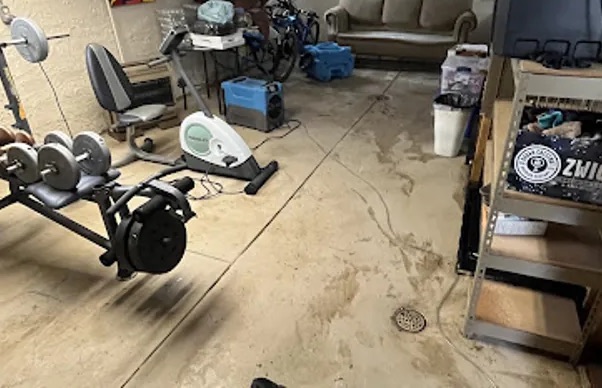
Commercial Water Removal Experts Serving Iowa Colony, Texas
Large properties in Iowa Colony often have several people to keep informed: owners, managers, tenants and insurers. Clear records help everyone understand what happened and what comes next.
Commercial properties in Iowa Colony and nearby Manvel, Arcola and Fresno include offices, schools, restaurants, warehouses and apartment complexes. Help with commercial water removal covers extraction and large-scale drying for each.
Complete Commercial Water Removal for Iowa Colony Businesses
Restaurant Kitchen Water Cleanup
Water under cooking lines and coolers is reached by moving equipment where possible, so hidden areas dry too.
School Water Damage Restoration
Wet ceiling tiles, carpet and drywall in classrooms are removed and dried so rooms can be used again safely.
Retail Store Water Removal
Store floors, fitting rooms and stockrooms are extracted, and wet merchandise is separated and listed for the owner.
Industrial Facility Drying Services
Equipment that stood in water is noted for the owner's service provider to check before it is restarted.
Apartment Complex Flood Cleanup
A flood in an apartment complex can affect many units, hallways and common areas. Each area is extracted and dried in order of severity.
Signs Your Iowa Colony Business Needs Water Removal
Buckling Hardwood Floors
Wood floors in lobbies or offices that buckle or cup have water underneath them.
Soggy Carpet Spots
Spots of soggy carpet or carpet tiles mean water is trapped against the slab underneath.
Discolored or Peeling Paint
Paint that peels or discolors on walls and ceilings usually has moisture behind it.
Increased Humidity Indoors
A building that feels humid even with HVAC running may have wet materials hidden somewhere.
How Commercial Water Removal Works in Iowa Colony
Step 1: Containment and Safety Setup
Wet areas are closed off with barriers and signs, and power to affected equipment is made safe.
Step 2: Water Extraction
Water is extracted from every affected floor, starting with the areas the business needs first.
Step 3: Drying Phase
Drywall bases are opened, wet ceiling tiles removed and drying equipment placed throughout.
Step 4: Post-Restoration Documentation
Photos, readings and contents lists are compiled into a report for owners and insurers.
What Causes Water Damage in Iowa Colony Businesses?
Appliance Malfunctions
Dishwashers, beverage machines, water heaters and coolers can fail and flood kitchens and break rooms.
Burst Supply Lines
Supply lines and risers in commercial buildings can burst and flood several floors at once.
Fire Suppression System Testing
Fire suppression system testing or repairs can release water if valves or lines fail.
HVAC System Condensation
Rooftop and ceiling HVAC units overflow when their condensate drains clog, soaking ceiling tiles.
Business and Industrial Commercial Water Removal in Iowa Colony
Residential Water Removal
In a house, the main concerns are the family's safety, their belongings and getting rooms usable again while the home dries.
Commercial Water Removal
In schools, restaurants and medical buildings, health rules and schedules shape the work, and some areas must be cleaned and checked before they reopen.
Hiring Local Pros vs. DIY Commercial Water Removal in Iowa Colony
You can stop the source, take photos and close off the wet area. Removing water from slabs, carpet tiles and walls across a building needs commercial-scale equipment and drying.
Commercial Water Removal Pricing in Iowa Colony
In Iowa Colony, fast water removal usually lowers the total by shortening drying time and reducing how much drywall, carpet and stock must be replaced.
Drying Time Required
Slabs and dense materials can take several days to dry, and equipment time adds up.
Sanitation Needs
Restrooms, kitchens and dirty water areas need cleaning and disinfection on top of drying.
Water Category
Clean water costs less to handle than gray or black water, which needs cleaning and more removal.
Does Insurance Cover Commercial Water Removal?
Photos, moisture readings, contents lists and drying logs from local water damage restoration experts help support a commercial water damage claim in Iowa Colony.
Advantages of Hiring Local Pros for Commercial Water Removal in Iowa Colony
Structural Drying Focus
Walls, slabs and ceiling cavities are dried, not just the surfaces people walk on and see.
Commercial Equipment
High-capacity extractors, pumps and large dehumidifiers are sized for big spaces and high ceilings.
24/7 Emergency Response
Help is available day or night, because commercial floods often happen when buildings are empty.
24-Hour Emergency Commercial Water Removal for Iowa Colony Businesses
The faster water is removed, the sooner your building reopens. Call (281) 717-6340 for commercial water removal in Iowa Colony as soon as you find the water.
Call Now (281) 717-6340Commercial Water Removal in Iowa Colony and Other Areas Served
The places below are also served, and each one has its own page.
Commercial Water Removal FAQs
What should I do while waiting for commercial water removal?
Shut off the source, move stock and electronics, keep people away from wet electrical areas and take photos.
Can contents be saved during emergency water removal for businesses?
Some can. Items are moved quickly, separated by condition and listed for the owner and insurer.
What records are provided for insurance after commercial water extraction?
Photos, moisture readings, lists of removed materials and contents, and daily drying logs for each area.
How is drying progress monitored in industrial flood cleanup?
Readings are taken across the floor and walls every day, and equipment is moved as each zone dries.
What is involved in restaurant kitchen water cleanup?
Extracting water, cleaning and disinfecting food areas, reaching water under equipment and drying the kitchen for inspection.