Richwood, TX · Brazoria County
Commercial Water Removal in Richwood, TXApartment Complex Flood Cleanup & Retail Store Water Removal
Commercial Water Removal in Richwood covers office water damage cleanup, warehouse flood water extraction and commercial carpet water extraction.
Answered 24/7
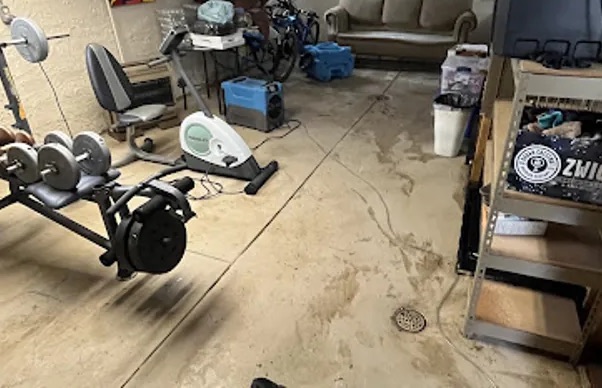
Professional Commercial Water Removal in Richwood, TX
Large properties in Richwood often have several people to keep informed: owners, managers, tenants and insurers. Clear records help everyone understand what happened and what comes next.
In Richwood, Lake Jackson, Clute and Oyster Creek, apartment complexes and office parks share plumbing across many units. The pros handle every affected unit and common area.
Commercial Water Removal Services in Richwood
Apartment Complex Flood Cleanup
A flood in an apartment complex can affect many units, hallways and common areas. Each area is extracted and dried in order of severity.
Retail Store Water Removal
Retail water removal closes off wet sections while the rest of the store stays open where it is safe.
Restaurant Kitchen Water Cleanup
Kitchen water often comes from drains or grease lines. It is handled with protective gear and the area is sanitized before drying.
Office Water Damage Cleanup
Wet drywall at the base of office partitions is opened and dried, and ceiling tiles that soaked up water are taken down.
Warehouse Flood Water Extraction
Warehouse drying uses large dehumidifiers that can handle high ceilings and open floor space.
Common Indicators for Emergency Commercial Water Removal
Damp Drywall or Ceilings
Damp or stained drywall and ceiling tiles show water coming from a leak, roof or unit above.
Rusted Metal Fixtures
Rust on metal door frames, shelving or fixtures near the floor points to repeated moisture.
Soggy Carpet Spots
Spots of soggy carpet or carpet tiles mean water is trapped against the slab underneath.
Increased Humidity Indoors
A building that feels humid even with HVAC running may have wet materials hidden somewhere.
How Commercial Water Removal Works in Richwood
Step 1: Water Mitigation
The source is shut off, stock is moved and water is kept from reaching dry areas.
Step 2: Targeted Moisture Detection
Meters and thermal cameras check walls, ceilings and floors in nearby suites and floors below.
Step 3: Applied Structural Drying
Equipment is placed for each zone's materials and moved as readings drop each day.
Step 4: Completion and Handoff
The owner walks the space with the pros, and each zone is released for repairs or reopening.
Common Causes of Water Damage in Richwood
Sprinkler System Discharge
Sprinkler heads and lines can discharge or leak, soaking offices, classrooms or stock quickly.
Roof Leaks During Storms
Flat roofs and roof drains leak during storms, sending water through ceilings and onto floors.
Sewer Line Backups
A blocked sewer line can back up through restrooms and floor drains on the lowest level.
Burst Supply Lines
Supply lines and risers in commercial buildings can burst and flood several floors at once.
Tailored Commercial Water Removal for Richwood Commercial Clients
Residential Water Removal
In a house, the main concerns are the family's safety, their belongings and getting rooms usable again while the home dries.
Commercial Water Removal
In schools, restaurants and medical buildings, health rules and schedules shape the work, and some areas must be cleaned and checked before they reopen.
Commercial Water Damage: DIY Risks and Professional Solutions in Richwood
You can stop the source, take photos and close off the wet area. Removing water from slabs, carpet tiles and walls across a building needs commercial-scale equipment and drying.
Factors Affecting Commercial Water Removal Price in Richwood
The cost of commercial water removal in Richwood depends on the size of the wet area, the type of water and how many suites, floors or units were affected.
Structural Drying
Wall cavities, ceiling plenums and slabs need structural drying, which takes more equipment.
Material Type
Carpet tiles, drywall, ceiling tiles and wood each need different removal or drying methods.
Access Complexity
High ceilings, loading docks, elevators and occupied spaces can slow access to wet areas.
Does Insurance Cover Commercial Water Removal?
Photograph damaged stock, equipment, furniture and building areas before cleanup starts, and keep receipts for emergency water removal and after-hours work.
Why Choose Local Pros for Commercial Water Removal in Richwood
Clear Communication
Owners and managers get plain updates on progress, closed areas and expected reopening dates.
Industry Methods
Water removal and drying follow industry water damage standards, with readings taken at every visit.
Contamination Control
Dirty water areas are sealed off and cleaned so contamination does not spread through the building.
Emergency Commercial Water Removal in Richwood
Night, weekend or holiday, local industrial water extraction specialists handle commercial water damage in Richwood. Call (281) 717-6340 to get the water out and drying under way.
Call Now (281) 717-6340Commercial Water Removal Serving Richwood, Lake Jackson, Clute and Oyster Creek
Besides Richwood, local industrial water extraction specialists handle commercial water removal and large-scale drying in nearby Lake Jackson, Clute and Oyster Creek.
- Commercial Water Removal in Lake Jackson
- Commercial Water Removal in Clute
- Commercial Water Removal in Oyster Creek
- Commercial Water Removal in Angleton
- Commercial Water Removal in Freeport
- Commercial Water Removal in Brazoria
- Commercial Water Removal in Danbury
- Commercial Water Removal in West Columbia
Common Commercial Water Removal Questions for Richwood Business Owners
How long does warehouse water cleanup and drying take?
Extraction often takes a day. Drying a large slab and walls usually takes several more days, depending on the space.
What happens to wet drywall during office water damage cleanup?
Drywall that wicked water is cut back above the wet line so the wall cavity can dry, then replaced later.
What should I do while waiting for commercial water removal?
Shut off the source, move stock and electronics, keep people away from wet electrical areas and take photos.
What is the first step in commercial water removal?
Making the area safe and stopping the source, then protecting stock, records and equipment before extraction begins.
What are the risks of delaying industrial water removal?
Longer shutdowns, damaged equipment and stock, corrosion and a higher chance of microbial growth.