Richmond, TX · Fort Bend County
Desiccant Dehumidification in Richmond, TXConstruction Drying Services & Flood Drying Services
Desiccant Dehumidification in Richmond runs from emergency dehumidification and flood drying services to firefighting water drying.
Answered 24/7
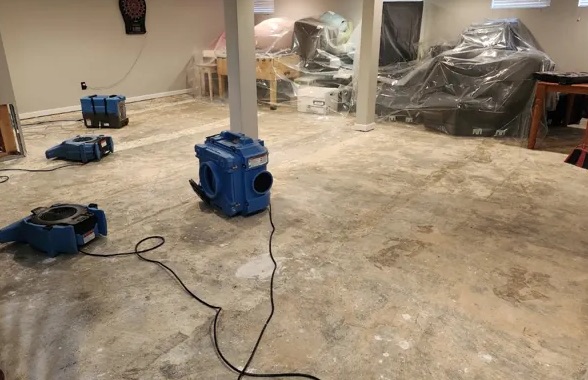
Desiccant Dehumidification Solutions in Richmond, Texas
Construction projects in Richmond can trap moisture in new concrete, drywall mud and framing. Flooring and finishes may fail if laid over damp materials.
In Richmond, desiccant drying is often used in crawl spaces and large buildings after floods. Local drying pros serve Richmond, Rosenberg, Pecan Grove and Sugar Land, choosing equipment based on readings.
Specialized Desiccant Dehumidification in Richmond, TX
Construction Drying Services
New construction can trap moisture in concrete, drywall mud and framing. Desiccant units help dry the building before finishes go in.
Flood Drying Services
After floodwater is pumped out, desiccant dehumidifiers can bring the air to very low humidity, which pulls moisture out of walls, floors and framing faster.
Emergency Dehumidification
Help is available any hour to set up drying equipment after a leak or flood, so moisture does not sit overnight in materials.
Crawl Space Drying
Readings on the wood framing are taken at each visit until they return to normal levels.
Firefighting Water Drying
Firefighting water can soak several rooms at once. Large drying setups remove that moisture so repairs can begin.
Red Flags for Desiccant Dehumidification in Richmond Properties
Visible Condensation on Windows
Windows that fog or drip inside show the air holds too much moisture for materials to dry.
Spongy Drywall or Soft Spots
Drywall that feels soft or spongy has absorbed water and may need removal if it does not dry.
Strong Damp Odor in Rooms
A damp smell that stays in a room after cleanup means materials there are still holding moisture.
Active Mold Spots
Dark spots appearing on walls or ceilings mean materials stayed damp long enough for mold.
How Desiccant Dehumidification Works in Richmond
Step 1: Moisture Mapping
Readings across walls, floors and framing show exactly where moisture remains in the building.
Step 2: Equipment Placement
Dehumidifiers and air movers are placed where the moisture readings are highest.
Step 3: Continuous Moisture Extraction
Drying runs until the wettest areas match the rest of the building.
Step 4: Confirmation and Reporting
A report shows the starting and final moisture readings for each area that was dried.
What Leads to Humidity Damage Needing Desiccant Dehumidification in Richmond
Fire Suppression System Activation
Fire sprinklers and firefighting water soak large areas of a building at once.
Plumbing Leaks or Pipe Bursts
Burst pipes and leaking supply lines soak walls and floors that then need drying.
Foundation Cracks and Seepage
Foundation cracks let groundwater seep into lower levels, keeping walls and floors damp.
New Construction Moisture Trapped
New concrete, drywall mud and framing on job sites hold moisture until they are dried.
Desiccant Dehumidification for All Property Types in Richmond
Residential Desiccant Dehumidification
Homes with wet attics after roof leaks may need attic drying equipment placed carefully on boards for safe footing.
Commercial Desiccant Dehumidification
Schools, offices and medical buildings may schedule equipment setup and removal after hours to limit disruption to staff and visitors.
Hiring Local Pros for Desiccant Dehumidification in Richmond
You can run your own dehumidifier and keep the wet room closed. Drying soaked materials in a crawl space or cool lower level usually needs commercial equipment.
Understanding Desiccant Dehumidification Expenses in Richmond
The cost of desiccant dehumidification in Richmond depends on the size of the wet area, how wet the materials are and how long the equipment needs to run.
Moisture Saturation Level
Materials that are fully soaked take longer to dry than lightly damp ones.
Number of Dehumidifiers
The number and size of dehumidifiers needed for the space is a major part of the cost.
Type of Water Damage
Floodwater and sewage need cleaning and removal of materials before drying, which adds cost.
Does Insurance Cover Desiccant Dehumidification?
Many homeowner policies cover drying after sudden water damage, like a burst pipe, but not long-term humidity or groundwater problems. Check your policy and call your insurer early.
Selecting Local Pros for Desiccant Dehumidification in Richmond, Texas
Large Projects
Large buildings and job sites get drying plans that keep work and business moving.
Damage Assessment
The full affected area is checked, including rooms next to and below the source.
Structural Drying
Walls, floors and framing are dried, not just the air in the room.
24/7 Emergency Desiccant Dehumidification in Richmond
The sooner drying starts, the fewer materials need replacing. Call (281) 717-6340 for desiccant dehumidification in Richmond right after a leak or flood.
Call Now (281) 717-6340Desiccant Dehumidification Service Area Including Richmond
Besides Richmond, local drying pros handle desiccant and standard drying in nearby Rosenberg, Pecan Grove and Sugar Land.
- Desiccant Dehumidification in Rosenberg
- Desiccant Dehumidification in Pecan Grove
- Desiccant Dehumidification in Sugar Land
- Desiccant Dehumidification in Four Corners
- Desiccant Dehumidification in Mission Bend
- Desiccant Dehumidification in Meadows Place
- Desiccant Dehumidification in Fulshear
- Desiccant Dehumidification in Stafford
- Emergency Damage Restoration in 77406
- Storm Damage Restoration in 77406
- Water Damage Restoration in 77406
- Water Extraction Service in 77406
- Water Leak Detection in 77406
- Water Removal Service in 77406
- Emergency Damage Restoration in 77407
- Storm Damage Restoration in 77407
Common Desiccant Dehumidification Questions Answered
Can desiccant dehumidification dry behind walls?
Dry air helps, especially when directed into wall cavities through small openings, with readings to confirm results.
Can desiccant dehumidification help prevent mold?
Yes. Lowering humidity and drying materials quickly is one of the main ways to keep mold from starting.
How do rapid drying methods protect my property?
They dry materials before they swell, warp or grow microbes, which keeps repairs smaller.
How is emergency dehumidification different from standard service?
It starts right after a leak or flood, any time of day, so materials do not keep soaking up moisture.
How are moisture levels monitored during drying?
With hygrometers for air and moisture meters for drywall, wood and concrete, checked every day.