Spring, TX · Harris County
Desiccant Dehumidification in Spring, TXWater Damage Dehumidification & Emergency Dehumidification
Desiccant Dehumidification in Spring runs from emergency dehumidification and flood drying services to firefighting water drying.
Answered 24/7
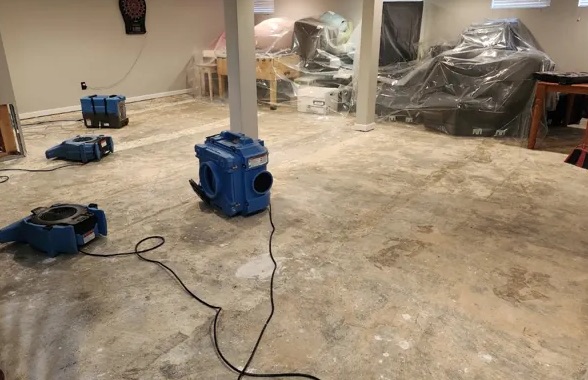
Expert Desiccant Dehumidification for Spring Properties
Desiccant Dehumidification in Spring is not needed for every job. Small leaks in warm rooms often dry well with standard dehumidifiers. Cool spaces, large buildings and dense materials are where desiccant units help most.
A flood in a large Spring building can need high-capacity drying. Local desiccant dehumidification experts serve Spring and nearby The Woodlands, Humble and Porter, with help available around the clock.
Desiccant Dehumidification Options Available in Spring
Water Damage Dehumidification
Dehumidification runs alongside air movers, and readings are taken daily until every wet material is back to normal.
Emergency Dehumidification
Emergency dehumidification starts as soon as standing water is removed, which limits swelling, warping and odor.
Mold Prevention Drying
Drying an area quickly after affected materials are removed limits regrowth. Desiccant units help reach low humidity in closed work areas.
Construction Drying Services
New construction can trap moisture in concrete, drywall mud and framing. Desiccant units help dry the building before finishes go in.
Firefighting Water Drying
After a fire, water used by firefighters soaks walls, floors and ceilings. Desiccant drying helps dry those materials once debris is cleared.
Symptoms Requiring Desiccant Dehumidification in Spring
Cold, Damp Feeling in Air
Air that feels cold and damp, especially in lower levels, can be too cool for standard dehumidifiers to work well.
Musty Smell in Stored Items
Boxes and fabrics that smell musty show the space has stayed damp too long.
Recent Water Damage Event
Any recent leak or flood that soaked drywall, flooring or framing needs drying beyond a household unit.
Strong Damp Odor in Rooms
A damp smell that stays in a room after cleanup means materials there are still holding moisture.
How Desiccant Dehumidification Works in Spring
Step 1: Emergency Moisture Evaluation
The wet area is mapped and the right size and type of dehumidifier is chosen.
Step 2: High-Capacity Setup
Large desiccant units are placed for big spaces or cool areas where standard units struggle.
Step 3: Active Drying Cycle
Dry air is moved across wet materials, with daily readings to track progress.
Step 4: Completion and Insurance Records
Final readings and daily drying logs are compiled into a record for your insurer.
Typical Moisture Intrusions and Desiccant Dehumidification in Spring
Roof Leaks From Damaged Shingles
Roof leaks from damaged shingles soak attic insulation, roof decking and the ceilings below.
Fire Suppression System Activation
Fire sprinklers and firefighting water soak large areas of a building at once.
New Construction Moisture Trapped
New concrete, drywall mud and framing on job sites hold moisture until they are dried.
Foundation Cracks and Seepage
Foundation cracks let groundwater seep into lower levels, keeping walls and floors damp.
Residential and Commercial Desiccant Dehumidification in Spring
Residential Desiccant Dehumidification
Homes with wet attics after roof leaks may need attic drying equipment placed carefully on boards for safe footing.
Commercial Desiccant Dehumidification
Schools, offices and medical buildings may schedule equipment setup and removal after hours to limit disruption to staff and visitors.
Professional Desiccant Dehumidification or DIY in Spring?
Rented desiccant units need correct setup and ducting to work well. If you are unsure how to place them or when materials are dry, call (281) 717-6340.
Investing in Desiccant Dehumidification for Spring Properties
Large commercial buildings and construction sites in Spring may need high-capacity units and ducting, which affects the total.
Type of Water Damage
Floodwater and sewage need cleaning and removal of materials before drying, which adds cost.
Number of Dehumidifiers
The number and size of dehumidifiers needed for the space is a major part of the cost.
Time of Response
Night, weekend and holiday setup can cost more than a scheduled weekday visit.
Does Insurance Cover Desiccant Dehumidification?
Many homeowner policies cover drying after sudden water damage, like a burst pipe, but not long-term humidity or groundwater problems. Check your policy and call your insurer early.
Why Choose Local Pros for Desiccant Dehumidification in Spring
Prevention of Mold
Fast, complete drying is one of the main ways to keep mold from starting after water damage.
Post-Flood Drying
Floodwater cleanup is followed by drying that continues until readings are normal.
24/7 Emergency Response
Help is available day or night to set up drying equipment after a leak or flood.
24/7 Emergency Desiccant Dehumidification in Spring
If the wet area has electrical hazards or sagging ceilings, stay clear and shut off power if it is safe. Then call (281) 717-6340 for help in Spring.
Call Now (281) 717-6340Desiccant Dehumidification Service Area Including Spring
Help with desiccant dehumidification is also available in communities near Spring, including The Woodlands, Humble and Porter, for floods, crawl spaces and commercial buildings.
- Desiccant Dehumidification in The Woodlands
- Desiccant Dehumidification in Humble
- Desiccant Dehumidification in Porter
- Desiccant Dehumidification in New Caney
- Desiccant Dehumidification in Tomball
- Desiccant Dehumidification in Conroe
- Desiccant Dehumidification in Pinehurst
- Desiccant Dehumidification in Magnolia
- Emergency Damage Restoration in 77373
- Storm Damage Restoration in 77373
- Water Damage Restoration in 77373
- Water Extraction Service in 77373
- Water Leak Detection in 77373
- Water Removal Service in 77373
- Emergency Damage Restoration in 77379
- Storm Damage Restoration in 77379
Desiccant Dehumidification FAQs
What are the benefits of construction drying services?
Drying slabs and drywall on schedule so flooring and finishes are not installed over damp materials.
What areas can benefit from moisture control services?
Crawl spaces, lower levels, attics, large commercial spaces and any room where materials got wet.
What equipment is used for commercial building drying?
High-capacity desiccant or refrigerant dehumidifiers, air movers, moisture meters and sometimes ducting to direct dry air.
What happens after desiccant dehumidification is complete?
Final readings are recorded, equipment is removed and the space is ready for repairs or finishes.
What is the goal of flood drying services?
To remove the moisture left after floodwater is pumped out so the building can be cleaned and repaired.