Taylor Lake Village, TX · Harris County
Desiccant Dehumidification in Taylor Lake Village, TXFlood Drying Services & Construction Drying Services
Desiccant Dehumidification in Taylor Lake Village runs from emergency dehumidification and flood drying services to firefighting water drying.
Answered 24/7
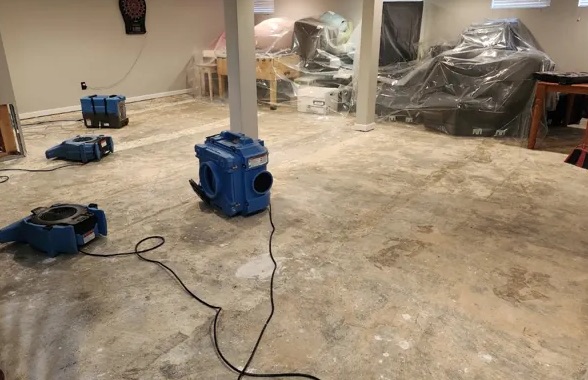
Desiccant Dehumidification: Moisture Control in Taylor Lake Village
Large commercial buildings in Taylor Lake Village can hold a lot of moisture after a flood or sprinkler leak. High-capacity desiccant units can dry large volumes of air.
Property owners in Taylor Lake Village can call (281) 717-6340 day or night when water damage needs drying. Service also covers El Lago, Seabrook and Clear Lake Shores, with equipment sized to the space.
Desiccant Dehumidification Services in Taylor Lake Village
Flood Drying Services
Flood drying pairs desiccant units with air movers aimed at wet materials, with readings taken every day until the structure is dry.
Construction Drying Services
Readings on slabs and framing show when materials are dry enough for the next stage of work.
Crawl Space Drying
Water is removed from the crawl space first, then desiccant drying brings humidity down so the framing can dry.
Emergency Dehumidification
Equipment is sized to the space on the first visit and adjusted each day based on readings.
Firefighting Water Drying
After a fire, water used by firefighters soaks walls, floors and ceilings. Desiccant drying helps dry those materials once debris is cleared.
When to Consider Desiccant Dehumidification in Taylor Lake Village
High Humidity Readings on Meter
A hygrometer that keeps reading high humidity days after a leak shows the space is not drying.
Peeling Paint or Wallpaper
Paint or wallpaper that peels after a leak has moisture behind it that has not dried.
Spongy Drywall or Soft Spots
Drywall that feels soft or spongy has absorbed water and may need removal if it does not dry.
Cold, Damp Feeling in Air
Air that feels cold and damp, especially in lower levels, can be too cool for standard dehumidifiers to work well.
How Desiccant Dehumidification Works in Taylor Lake Village
Step 1: Emergency Moisture Evaluation
The wet area is mapped and the right size and type of dehumidifier is chosen.
Step 2: High-Capacity Setup
Large desiccant units are placed for big spaces or cool areas where standard units struggle.
Step 3: Active Drying Cycle
Dry air is moved across wet materials, with daily readings to track progress.
Step 4: Completion and Insurance Records
Final readings and daily drying logs are compiled into a record for your insurer.
Sources of Moisture Requiring Desiccant Dehumidification in Taylor Lake Village
Fire Suppression System Activation
Fire sprinklers and firefighting water soak large areas of a building at once.
Roof Leaks From Damaged Shingles
Roof leaks from damaged shingles soak attic insulation, roof decking and the ceilings below.
Appliance Malfunctions and Overflows
Washers, dishwashers and water heaters that leak leave wet floors, cabinets and walls.
Plumbing Leaks or Pipe Bursts
Burst pipes and leaking supply lines soak walls and floors that then need drying.
Residential and Commercial Desiccant Dehumidification in Taylor Lake Village
Residential Desiccant Dehumidification
Homes with wet attics after roof leaks may need attic drying equipment placed carefully on boards for safe footing.
Commercial Desiccant Dehumidification
Schools, offices and medical buildings may schedule equipment setup and removal after hours to limit disruption to staff and visitors.
Why DIY Falls Short for Desiccant Dehumidification in Taylor Lake Village
For a small spill in a warm room, a household dehumidifier and fan may be enough. Call local water damage restoration pros if drywall, flooring or framing got wet or the space is cool and damp.
Understanding Desiccant Dehumidification Expenses in Taylor Lake Village
Repairs after drying are a separate cost. In Taylor Lake Village, fully dried materials often mean fewer repairs are needed.
Moisture Saturation Level
Materials that are fully soaked take longer to dry than lightly damp ones.
Access and Complexity
Crawl spaces, tight areas and large buildings take more effort to set up and monitor.
Time of Response
Night, weekend and holiday setup can cost more than a scheduled weekday visit.
Does Insurance Cover Desiccant Dehumidification?
Photograph wet areas before drying begins and keep receipts for emergency extraction, drying equipment and any hotel stay during the work.
Benefits of Local Pros for Desiccant Dehumidification in Taylor Lake Village
Post-Flood Drying
Floodwater cleanup is followed by drying that continues until readings are normal.
Industry Drying Standards
Drying follows industry water damage standards, with readings taken at every visit.
Large Projects
Large buildings and job sites get drying plans that keep work and business moving.
24/7 Emergency Desiccant Dehumidification in Taylor Lake Village
Crawl space or lower level wet after a storm? Call (281) 717-6340 now for desiccant dehumidification in Taylor Lake Village before the framing stays damp.
Call Now (281) 717-6340Desiccant Dehumidification Service Area Including Taylor Lake Village
Drying after water damage also covers homes, job sites and businesses in El Lago, Seabrook and Clear Lake Shores, close to Taylor Lake Village.
- Desiccant Dehumidification in El Lago
- Desiccant Dehumidification in Seabrook
- Desiccant Dehumidification in Clear Lake Shores
- Desiccant Dehumidification in Nassau Bay
- Desiccant Dehumidification in Kemah
- Desiccant Dehumidification in League City
- Desiccant Dehumidification in Morgan's Point
- Desiccant Dehumidification in La Porte
Common Desiccant Dehumidification Questions Answered
What does water damage dehumidification include?
Taking readings, placing dehumidifiers and air movers, logging progress daily and confirming materials are dry.
When is desiccant dehumidification a better choice than refrigerant units?
In cool spaces, very large areas or when very low humidity is needed to dry dense materials.
What equipment is used for commercial building drying?
High-capacity desiccant or refrigerant dehumidifiers, air movers, moisture meters and sometimes ducting to direct dry air.
How are moisture levels monitored during drying?
With hygrometers for air and moisture meters for drywall, wood and concrete, checked every day.
How does a desiccant dehumidifier work differently?
It passes air over a material that absorbs moisture instead of cooling the air, so it keeps working in cool conditions.