Mission Bend, TX · Fort Bend County
HVAC Leak Water Removal in Mission Bend, TXAC Condensate Leak Water Removal & HVAC Cabinet Water Extraction
HVAC Leak Water Removal in Mission Bend covers HVAC cabinet water extraction, emergency HVAC leak cleanup, and wet insulation removal near HVAC.
Answered 24/7
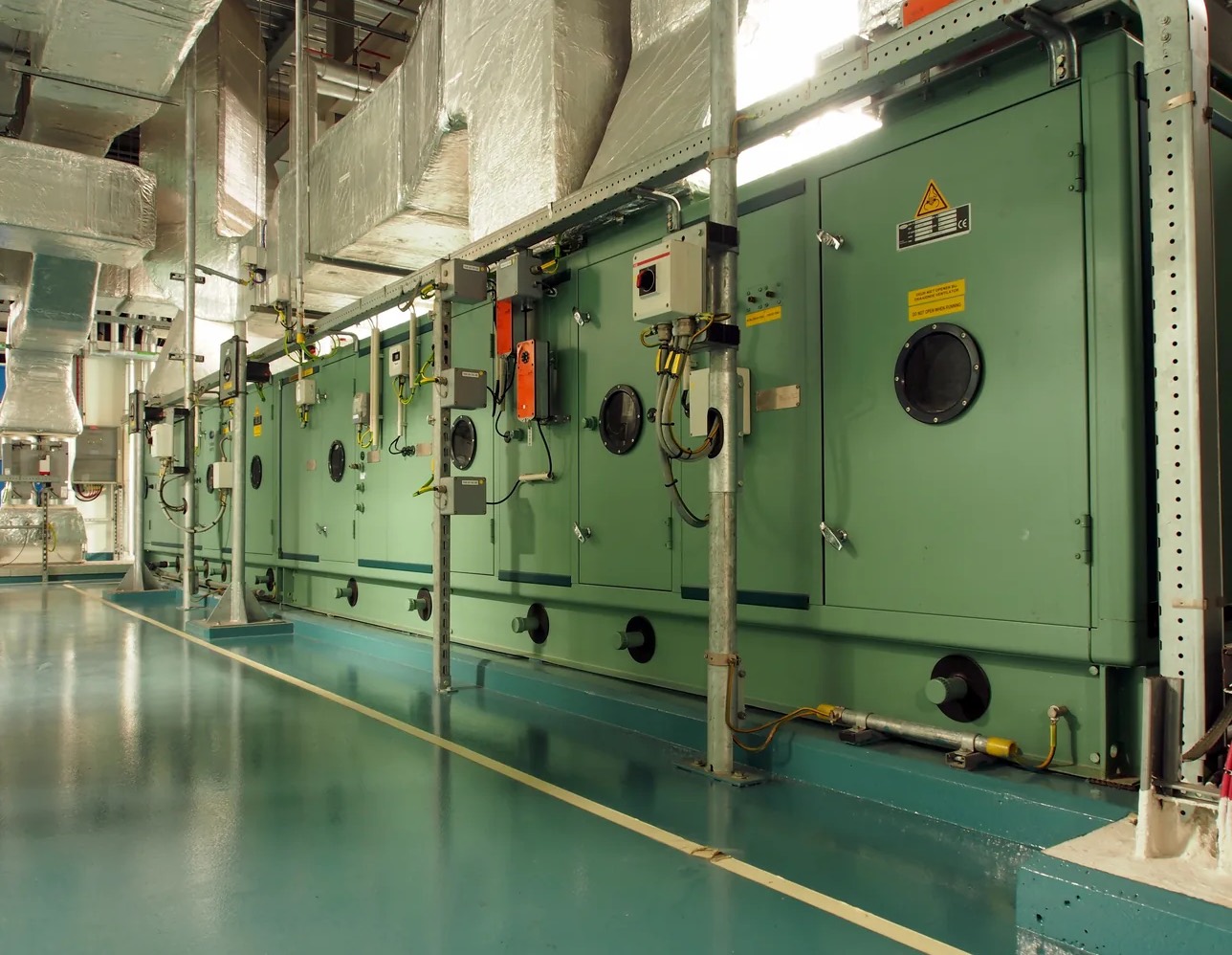
HVAC Leak Water Removal Solutions in Mission Bend
Water from a failed drain line or condensate pump in Mission Bend travels further than it looks. It follows framing and ducts into wall cavities and the rooms next to the unit.
When an HVAC leak occurs in Mission Bend, water needs to come out quickly to protect interior finishes and electrical systems. Local water removal pros serve this community and nearby areas like Four Corners, Sugar Land and Meadows Place, extracting water around the unit and drying wet ductwork before damage spreads.
HVAC Leak Water Removal Service Details in Mission Bend
AC Condensate Leak Water Removal
A failing condensate pump or disconnected line can flood a mechanical closet. This requires urgent HVAC leak water removal.
HVAC Cabinet Water Extraction
Water pooled inside a furnace or air handler cabinet is removed after the power is off, which protects the blower motor and the control board.
Wet Insulation Removal Near HVAC
Soggy insulation in a mechanical closet or crawlspace is a health concern. Local water damage pros remove it as part of restoration.
HVAC Drain Line Flood Cleanup
A broken drain line can flood a mechanical room or closet. The water is contained and extracted before it reaches flooring and equipment nearby.
Ductwork Condensation Water Removal
Humid air hitting cold metal ductwork makes it sweat and drip. Cleanup means drying the ducts and the drywall, insulation and flooring under them.
Warning Signs You Need HVAC Leak Water Removal
Condensation Dripping From Ducts
Water droplets or streaks on metal ductwork mean the ducts are sweating, and the water is landing somewhere below.
AC Drain Line Overflowing
Water spilling from the condensate drain line or its overflow port means the drain is blocked and needs attention now.
High Indoor Humidity Levels
A home feeling persistently muggy can mean the HVAC system is not properly removing airborne moisture.
Visible Rust on Metal Components
Rust forming on the evaporator coil cabinet, drain pan, or supports indicates prolonged moisture exposure.
How HVAC Leak Water Removal Works in Mission Bend
Step 1: 24/7 Emergency Leak Response
The pros make the area safe, find where the leak started and start removing water.
Step 2: Condensation Leak Repair Focus
The cause, such as a clogged drain line or failed pump, is identified so it can be fixed and the leak does not return.
Step 3: Comprehensive Moisture Remediation
All wet materials are dried, including the hard-to-reach spaces inside walls and ceiling cavities.
Step 4: System Restoration and Testing
Readings confirm the area is dry, and the system can be restarted once the HVAC repair is done.
What Causes HVAC Leaks Needing Water Removal in Mission Bend
Worn Gaskets or Seal Failures
Worn seals around access panels or coil sections let water escape the cabinet instead of reaching the pan.
Clogged Condensate Drain Line
Algae, sludge, or debris blocking the primary drain pipe causes water to back up into the HVAC cabinet.
High Static Pressure in Ducts
An oversized system or closed vents can upset airflow and drainage, so condensate does not drain as it should.
Refrigerant Leak at the Coil
A pinhole leak in the evaporator coil itself can allow refrigerant and moisture to escape simultaneously.
HVAC Leak Water Removal for Homes & Businesses in Mission Bend
Residential HVAC Leak Water Removal
In homes, water from a utility closet can reach hardwood floors, cabinets and stored items. The pros dry those materials and wet duct sections near the unit.
Commercial HVAC Leak Water Removal
In commercial buildings, mechanical rooms and the spaces under them are checked for water and dried, with readings recorded for the building manager.
HVAC Leak Water Removal: DIY Risks and Pro Solutions in Mission Bend
You can document water damage for an insurance claim by taking clear photos of the affected area and leaking component. Keep records of communication. Do not discard damaged items until reviewed. Coverage decisions belong to the insurer.
HVAC Leak Water Removal Cost in Mission Bend, TX
Pricing for HVAC leak water removal depends on how much ductwork and building material got wet. Water inside wall cavities adds time and equipment.
Post-Extraction Repairs
Some jobs need small drain line or insulation repairs after drying, which are priced separately.
Emergency Service Timing
HVAC leak cleanup started at night, on weekends or on holidays may be billed at a different rate.
Water Contamination Category
Clean condensate is simpler to handle than dirty overflow from a drain line, which needs extra cleaning.
Does Insurance Cover HVAC Leak Water Removal?
AC unit water damage coverage hinges on the leak source. Sudden failures like a burst drain line may be covered, while gradual neglect often is not. Homeowners should confirm specifics with their insurer.
Why Local Experts for HVAC Leak Water Removal in Mission Bend
Precision Wet Insulation Removal
Wet insulation near the unit is removed so it does not hold water against framing and grow mold.
Comprehensive Leak Source Identification
The experts trace the water to the drain line, coil or pan, so the right trade can fix the cause.
Structured Dehumidification Strategy
Air movers and dehumidifiers are placed to dry the cabinet area and nearby walls without blowing water further.
24-Hour Emergency HVAC Leak Water Removal in Mission Bend
HVAC drain line floods need immediate attention to stop water damage. For HVAC leak cleanup and moisture remediation, contact the experts at (281) 717-6340.
Call Now (281) 717-6340Areas Served for HVAC Leak Water Removal from Mission Bend
The places below are also served, and each one has its own page.
- HVAC Leak Water Removal in Four Corners
- HVAC Leak Water Removal in Sugar Land
- HVAC Leak Water Removal in Meadows Place
- HVAC Leak Water Removal in Pecan Grove
- HVAC Leak Water Removal in Stafford
- HVAC Leak Water Removal in Prairie View
- HVAC Leak Water Removal in Spring
- HVAC Leak Water Removal in Brookshire
Your HVAC Leak Water Removal Questions Answered
What documentation do pros provide for insurance?
The experts take photos and moisture readings and keep a drying log of the cleanup that you can send to your insurer.
How long does wet ductwork drying typically take?
It depends on how much water there is and how easy it is to reach. Most jobs take two to four days of drying with commercial equipment.
What's the difference between water extraction and drying?
Extraction removes the liquid water. Drying uses dehumidifiers and air movers to pull out the moisture left in insulation, drywall and wood.
What is involved in HVAC leak water removal?
Stopping the leak, extracting standing water, drying the ducts, cabinet area, walls and floor, and checking for hidden moisture with meters.
Does HVAC leak water removal prevent mold?
Fast extraction and drying lower the risk a lot. Materials that stay wet longer than a day or two can start to grow mold.