Santa Fe, TX · Galveston County
HVAC Leak Water Removal in Santa Fe, TXHVAC Cabinet Water Extraction & Coil Leak Water Damage Repair
HVAC Leak Water Removal in Santa Fe covers AC condensate leak water removal, HVAC cabinet water extraction and emergency HVAC leak cleanup.
Answered 24/7
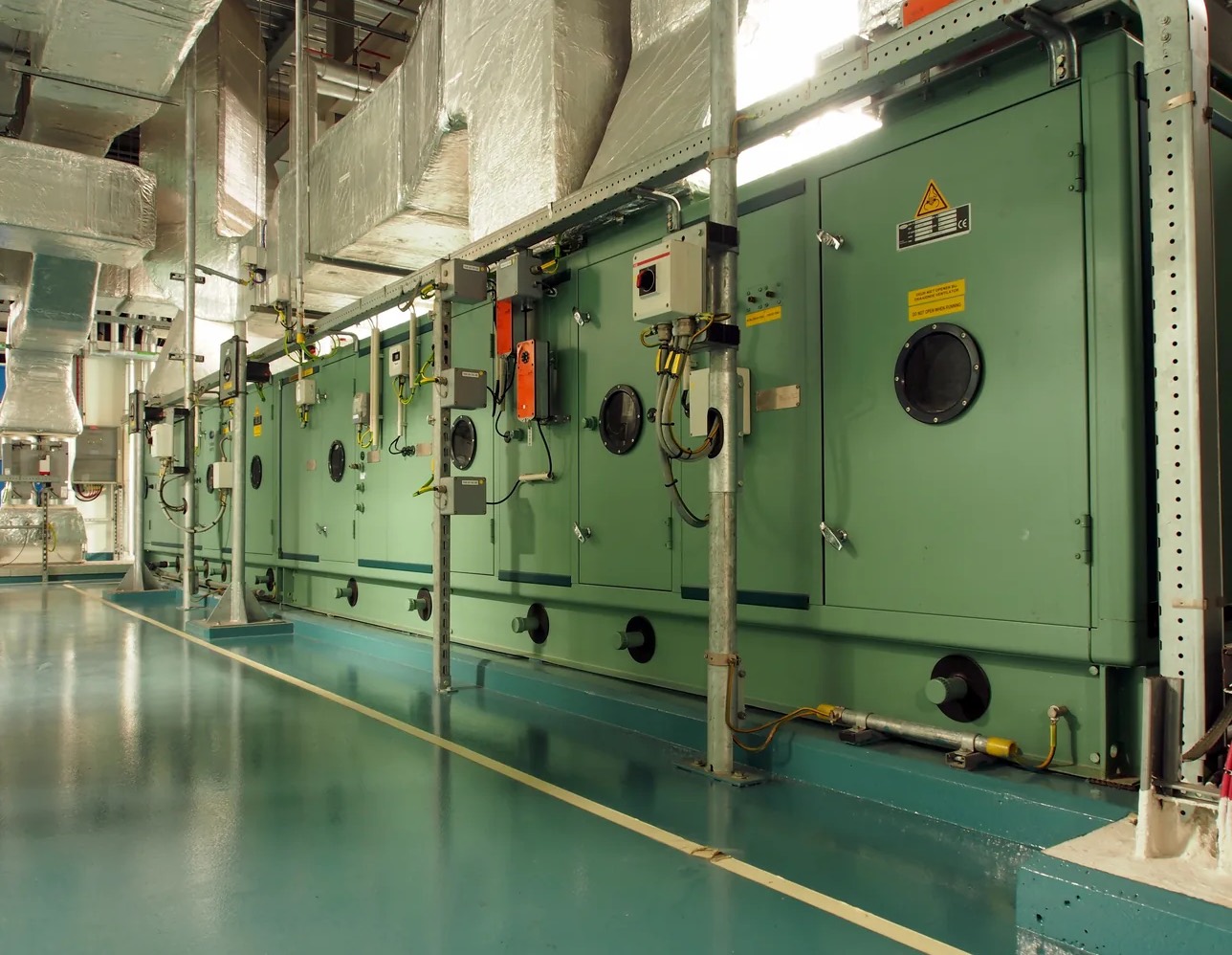
HVAC Leak Water Removal Services for Santa Fe Residents
An HVAC leak that is still running in Santa Fe has to be stopped first. A coil or drain line can put out gallons of water, and it lands on ceilings, floors and belongings.
When an HVAC leak occurs in Santa Fe, water needs to come out quickly to protect interior finishes and electrical systems. Local water removal pros serve this community and nearby areas like Hitchcock, Dickinson and Alvin, extracting water around the unit and drying wet ductwork before damage spreads.
Specialized HVAC Leak Water Removal Services in Santa Fe
HVAC Cabinet Water Extraction
Standing water in the cabinet rusts the pan, panels and fasteners. Getting it out early stops that, and the cabinet is dried before the system runs again.
Coil Leak Water Damage Repair
A pinhole coil leak causes slow, persistent water damage, warping flooring over time. Repair involves water extraction, drying, and addressing damaged subfloor.
HVAC Drain Line Flood Cleanup
A backed-up HVAC drain line can flood a closet or utility area in Santa Fe. The water is extracted and drying starts on the floor and lower walls.
Wet Insulation Removal Near HVAC
Wet attic insulation near ductwork or an air handler often must be removed. Restoration pros assess the wetness and remove affected sections.
Ductwork Condensation Water Removal
Cold air inside ducts meeting warm, humid air causes sweating and droplets. Condensation soaks insulation and damages ceiling materials.
Warning Signs You Need HVAC Leak Water Removal
Mold on Air Handler
Visible mold on the unit, the ducts or nearby drywall usually means water has been there for a while.
Stained Ceilings or Walls Near Vents
Stains on drywall or ceilings around supply vents often trace back to ducts that are sweating or leaking.
Wet or Sagging Insulation Nearby
Damp insulation around an attic unit or in nearby walls holds water against the drywall and framing.
Water Damage to Flooring
Warped laminate, cupped hardwood or soaked carpet near the HVAC unit shows the leak has reached the floor.
How HVAC Leak Water Removal Works in Santa Fe
Step 1: Water Containment
The leak is contained first, then extractors pull water out of the HVAC cabinet and off the floor around it.
Step 2: HVAC Component Damage Evaluation
Wet parts like the drain pan, coil area and controls are noted so an HVAC contractor knows what to check or replace.
Step 3: Structural Drying Protocol
Drying equipment targets wet walls, subfloor and insulation near the unit so damage does not spread.
Step 4: Air Quality Sanitization
Once everything is dry, the cabinet area and nearby surfaces are cleaned to remove odor and residue.
Common Causes of HVAC Water Leaks in Santa Fe
Worn Gaskets or Seal Failures
Worn seals around access panels or coil sections let water escape the cabinet instead of reaching the pan.
High Static Pressure in Ducts
An oversized system or closed vents can upset airflow and drainage, so condensate does not drain as it should.
Refrigerant Leak at the Coil
A pinhole leak in the evaporator coil itself can allow refrigerant and moisture to escape simultaneously.
Clogged Condensate Drain Line
Algae, sludge, or debris blocking the primary drain pipe causes water to back up into the HVAC cabinet.
HVAC Leak Water Removal for All Properties in Santa Fe
Residential HVAC Leak Water Removal
In homes, an HVAC leak usually wets the ceiling under an attic unit or the walls and floor around the air handler closet. Wet insulation near the unit is removed so it does not hold water.
Commercial HVAC Leak Water Removal
In stores, offices and warehouses, leaks come from large air handlers, VAV boxes and ducts above the ceiling. The water is removed fast so the space can reopen.
When DIY Fails for HVAC Leak Water Removal in Santa Fe
If you find an HVAC leak, turn off the system at the thermostat and the breaker. Put towels down and move belongings away from the drip. Wiping up a little condensation is fine, but standing water or wet drywall needs drying equipment.
Cost Insights for HVAC Leak Water Removal in Santa Fe
The pros in Santa Fe price the job based on how long the leak ran and how much it damaged. Wet ducts inside walls or ceilings take extra work to reach.
HVAC System Accessibility
Units in tight closets or attics take more labor to reach, clean around and dry.
Affected Components and Materials
Wet insulation, damaged ductwork or wiring near the flooded unit each add work to the job.
Emergency Service Timing
HVAC leak cleanup started at night, on weekends or on holidays may be billed at a different rate.
Does Insurance Cover HVAC Leak Water Removal?
For HVAC water cleanup, a policy may cover the water damage but not fixing the failed part. The pros document the wet area and the drying, and the insurer makes the coverage decision.
Why Local Experts for HVAC Leak Water Removal in Santa Fe
Comprehensive Leak Source Identification
The pros trace the water to the drain line, coil or pan, so the right trade can fix the cause.
Component-Safe Water Removal
Work around the unit is done carefully so coils, wiring and control boards are not damaged further.
Containment and Air Filtration
The work area can be closed off so dust and moist air do not spread while wet materials are removed.
24/7 Emergency HVAC Leak Water Removal in Santa Fe
Time is critical when dealing with wet ductwork from a coil leak. To initiate emergency HVAC water extraction and drying, call the pros at (281) 717-6340.
Call Now (281) 717-6340HVAC Leak Water Removal Near Santa Fe: Areas Served
Help with HVAC leak water removal is available in Santa Fe and nearby Hitchcock, Dickinson and Alvin, for water from AC units, drain lines and ducts.
- HVAC Leak Water Removal in Hitchcock
- HVAC Leak Water Removal in Dickinson
- HVAC Leak Water Removal in Alvin
- HVAC Leak Water Removal in League City
- HVAC Leak Water Removal in Webster
- HVAC Leak Water Removal in Nassau Bay
- HVAC Leak Water Removal in Kemah
- HVAC Leak Water Removal in Friendswood
- Emergency Damage Restoration in 77510
- Storm Damage Restoration in 77510
- Water Damage Restoration in 77510
- Water Extraction Service in 77510
- Water Leak Detection in 77510
- Water Removal Service in 77510
- Emergency Damage Restoration in 77517
- Storm Damage Restoration in 77517
HVAC Leak Water Removal Common Questions
What documentation do pros provide for insurance?
The pros take photos and moisture readings and keep a drying log of the cleanup that you can send to your insurer.
Why is quick action critical for a flooded HVAC unit?
Water can damage the unit's wiring, rust metal parts and soak into walls and floors, which makes repairs larger and more expensive.
What is moisture remediation for HVAC systems?
It means removing excess moisture, drying all components and bringing humidity back to normal levels around the system.
How long does wet ductwork drying typically take?
It depends on how much water there is and how easy it is to reach. Most jobs take two to four days of drying with commercial equipment.
How is moisture removed from HVAC ductwork?
Air movers and dehumidifiers dry the area around the ducts. Duct sections or lining that stayed wet may need cleaning or replacing by an HVAC contractor.