Pearland, TX · Brazoria County
Hydrostatic Pressure Water Removal in Pearland, TXCrawl Space Water Extraction & Slab Seepage Water Removal
Hydrostatic Pressure Water Removal in Pearland covers groundwater intrusion mitigation, wet subfloor removal and crawl space water extraction.
Answered 24/7
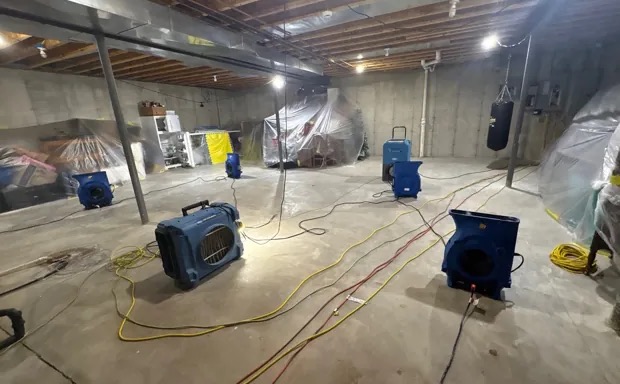
Expert Hydrostatic Pressure Water Removal Serving Pearland, TX
In Pearland homes, water pushed in by soil pressure can keep subfloors and framing damp long after the puddles are gone, which leads to rot and mold.
Specialized Hydrostatic Pressure Water Removal for Pearland
Crawl Space Water Extraction
A wet crawl space is a hidden problem that can lead to mold and wood rot.
Slab Seepage Water Removal
When water seeps up through a slab in Pearland, flooring may need to be lifted so the concrete can dry. Pros explain what a foundation specialist should look at.
Structural Drying After Intrusion
After water is pushed inside, air movers and dehumidifiers dry the wood, concrete and drywall it reached so rot and mold do not start.
Groundwater Intrusion Mitigation
Moisture readings and entry points are recorded during the work, which helps plan both the drying and any drainage changes outside.
Wet Subfloor Removal
The process includes cutting out affected panels, disposing of them properly, and creating a dry, stable base for the new flooring material.
When to Call for Hydrostatic Pressure Water Removal in Pearland
Spongy or Soft Spots on Floors
Damp spots or lifting flooring on a slab can mean water is coming up from below.
Water Seeping From Foundation Walls
Water seeping at the base of foundation walls means groundwater is being pushed in by pressure from the soil.
Efflorescence on Concrete Surfaces
White, chalky deposits on foundation walls or the slab show water has been pushing through the concrete.
Pooling Water in Crawl Space
Standing water in a crawl space is a clear sign water is getting in and needs to be removed.
How Hydrostatic Pressure Water Removal Works in Pearland
Step 1: Safety and Hazard Assessment
The area is made safe and electrical hazards are checked before any water removal starts.
Step 2: Foundation Crack Water Infiltration Stop
Water coming through cracks is managed with pumps while the area dries, and the cracks are noted for a foundation contractor.
Step 3: Advanced Drying System Setup
Desiccant dehumidifiers and injectidry systems are installed to dry deep within building materials. This equipment pulls moisture out of concrete, wood and insulation.
Step 4: Post-Restoration Integrity Check
A final check confirms the lower level is dry, and the readings are shared with you.
What Causes Hydrostatic Pressure Water Damage
Clogged or Collapsed Footing Drains
When perimeter drains clog or fail, water has nowhere to go and presses against the walls and slab.
Poor Exterior Drainage Systems
Clogged gutters, downspouts and poor grading send water toward the foundation, where it builds pressure in the soil.
Plumbing Leaks Under the Slab
A broken water line under the slab keeps feeding water up through the floor.
Foundation Settlement and Cracks
As a foundation settles, cracks form and give groundwater a direct path inside.
Hydrostatic Pressure Water Removal for All Property Types
Residential Hydrostatic Pressure Water Removal
Hydrostatic pressure damage threatens a home's structure and indoor air. In homes throughout Pearland, local water removal pros remove wet subfloor, dry the structure and repair foundation crack leaks to prevent costly long-term damage.
Commercial Hydrostatic Pressure Water Removal
In businesses, groundwater in a lower level can damage stock and equipment. Local groundwater extraction specialists remove the water and dry the space to keep downtime short.
Hydrostatic Pressure Water Removal: Why DIY Falls Short
If a plumbing leak may be adding to the water, shut off the main valve. Finding where groundwater enters and drying the structure takes meters and drying equipment.
Budgeting for Hydrostatic Pressure Water Removal in Pearland
In Pearland, the price depends on the size of the wet area, how deep the water got and how many days of drying the structure needs.
Material Saturation Level
Deeply soaked subflooring or wet foundation walls need more extraction and dehumidification.
Required Drying Time
The number of days the structure takes to dry is a large part of the cost.
Water Source Type
A slow slab seep and a sudden flood through a wall crack need different approaches and equipment.
Does Insurance Cover Hydrostatic Pressure Water Removal?
Coverage for hydrostatic pressure water removal depends on your policy and what caused the water. The specialists in Pearland take photos and moisture readings, and your insurer decides what is covered.
The Value of Local Pros for Hydrostatic Pressure Water Removal
IICRC-Standard Drying Methods
Drying the structure fully after water intrusion protects the foundation and framing from lasting damage.
Structural Damage Assessment
The pros check where water came in and which materials it reached before drying starts.
Comprehensive Moisture Mapping
Moisture meters find water in subfloors and walls so every wet area gets dried.
Urgent Hydrostatic Pressure Water Removal for Pearland Homes
Water forced in through a foundation crack can spread across a floor quickly. Call (281) 717-6340 any time for help with water removal and drying in Pearland.
Call Now (281) 717-6340Hydrostatic Pressure Water Removal for Pearland and Nearby Communities
Groundwater cleanup and wet subfloor removal are available for properties in Pearland and neighboring locations such as Friendswood, South Houston and Manvel.
- Hydrostatic Pressure Water Removal in Friendswood
- Hydrostatic Pressure Water Removal in South Houston
- Hydrostatic Pressure Water Removal in Manvel
- Hydrostatic Pressure Water Removal in Fresno
- Hydrostatic Pressure Water Removal in Pasadena
- Hydrostatic Pressure Water Removal in Webster
- Hydrostatic Pressure Water Removal in Alvin
- Hydrostatic Pressure Water Removal in Arcola
- Emergency Damage Restoration in 77581
- Storm Damage Restoration in 77581
- Water Damage Restoration in 77581
- Water Extraction Service in 77581
- Water Leak Detection in 77581
- Water Removal Service in 77581
- Emergency Damage Restoration in 77584
- Storm Damage Restoration in 77584
Frequently Asked Questions About Hydrostatic Pressure Removal
How does foundation water removal work?
Standing water is extracted, the structure is dried with dehumidifiers and air movers, and the place where water came in is noted.
Can crawl space water extraction prevent mold?
Removing the water quickly and drying the crawl space fully takes away the moisture mold needs, which keeps it from starting.
What are signs of soil pressure water intrusion?
Water seeping where the floor meets the wall, damp foundation walls and ongoing moisture in a crawl space.
What equipment is used for groundwater extraction?
Groundwater extraction uses submersible pumps for deep water, wet-dry vacuums for shallow flooding, and specialized extractors for under-slab water removal.
Will drying stop water from coming back?
No. Drying fixes the damage that is already there. Keeping water out takes drainage, grading or waterproofing work by a contractor.