Cleveland, TX · Liberty County
Industrial Dehumidification in Cleveland, TXWarehouse Moisture Control & Structural Drying Services
Industrial Dehumidification in Cleveland covers commercial water damage cleanup, industrial flood damage restoration and warehouse moisture control.
Answered 24/7
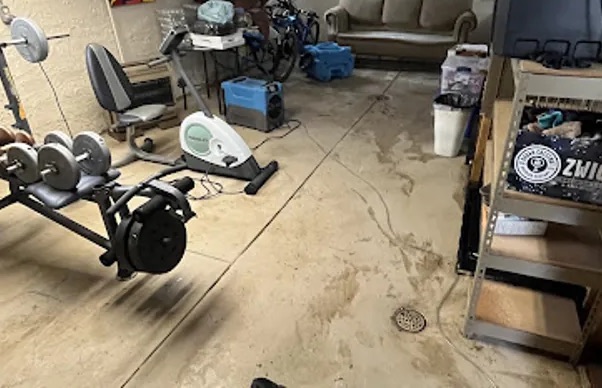
Professional Industrial Dehumidification in Cleveland, TX
After a flood or major leak, large buildings need drying at scale to reopen. Every day of downtime costs a business money and keeps materials wet.
Industrial dehumidification is a priority for large facilities in Cleveland and nearby areas like Splendora, Patton Village and Roman Forest. Whether dealing with a burst pipe or ongoing humidity issues, local water damage pros apply commercial dehumidification techniques.
Industrial Dehumidification Solutions for Cleveland
Warehouse Moisture Control
Warehouse humidity often climbs with the seasons and after leaks. Industrial dehumidifiers bring it back down, and placing them well protects stock and packaging.
Structural Drying Services
Drying the structure after a leak means getting studs, joists and slabs dry, not just the air in the room.
Industrial Humidity Reduction Systems
Some buildings stay humid long after a leak. Dehumidifiers can be left running to hold humidity at a set level until the building is stable.
Commercial Water Damage Cleanup
Specialized drying equipment is needed for retail or office water damage. The pros deploy industrial-grade dehumidifiers to extract moisture from air and materials in Cleveland.
Industrial Flood Damage Restoration
Flood waters can halt production. Commercial drying experts implement a phased strategy using industrial dehumidifiers and air movers. Large dehumidifiers are sized to the building volume.
Signs of Water Damage Requiring Industrial Dehumidification in Cleveland
Equipment Rust or Corrosion
New rust on machinery or metal stock can come from damp air in the building.
Soggy Inventory or Stock
Wet cardboard, damaged goods or damp raw materials mean humidity in the building is not under control.
Musty Odors and Smells
A persistent earthy smell often points to hidden moisture in walls, ceilings or stored goods.
Stained Ceilings or Walls
Yellow or brown water stains show where past leaks happened and where moisture may still be.
How Industrial Dehumidification Works in Cleveland
Step 1: Secure Area and Remove Water
The site is made safe, then water is removed with industrial equipment.
Step 2: Install Commercial Dehumidification
Large commercial dehumidifiers bring the humidity down so the drying can start.
Step 3: Accelerated Evaporation and Drying
Air movers speed up evaporation, and the dehumidifiers collect the water from the air.
Step 4: Achieve Dry Standard and Demobilize
After confirming all materials meet the dry standard, pros dismantle the drying system.
Common Causes for Industrial Dehumidification in Cleveland
Groundwater Intrusion and Saturation
Poor drainage around the building can let water seep up through the floor.
Burst Pipes or Plumbing Leaks
Failed supply lines, faulty fittings, or cracked pipes can release thousands of gallons.
HVAC System Condensation Issues
Cooling systems that are poorly maintained or oversized can produce a lot of condensation and raise humidity.
Roof Leaks and Storm Damage
Damaged roofing lets water in during heavy rain, wetting stock and floors below.
Industrial Dehumidification for Residential and Commercial Clients in Cleveland
Residential Industrial Dehumidification
In homes, a slow roof leak can soak attic insulation and lead to mold. The pros in Cleveland dry the attic once the roof is repaired and clean up the wet areas.
Commercial Industrial Dehumidification
Data centers, labs and archives need steady humidity. After water damage, temporary dehumidification protects equipment and records until conditions are stable.
DIY Moisture Control vs. Professional Industrial Dehumidification in Cleveland
Turning off the main water supply to stop an active leak is a sensible first step any property owner can take. Measuring how far the water spread and planning the drying, though, takes professional meters and industrial equipment.
Understanding Industrial Dehumidification Costs in Cleveland
The cost of temporary dehumidification depends on the size of the building, the humidity target and whether concrete needs special drying.
Equipment Quantity
The number of dehumidifiers, air movers and meters needed grows with the size of the flood.
Water Contamination Level
Clean, gray and black water need different safety steps and cleanup methods.
Access Complexity
Hard-to-reach areas in a warehouse or plant take longer to set up equipment in.
Does Insurance Cover Industrial Dehumidification?
Insurance coverage for industrial dehumidification work in Cleveland depends entirely on the specific terms and conditions of a property owner's policy. The final coverage decision rests solely with the insurance carrier.
Advantages of Hiring Local Pros for Industrial Dehumidification in Cleveland
Humidity Reduction Systems
Dehumidifiers can stay in place until humidity in the building is stable.
Detailed Moisture Documentation
Meters and sensors track humidity and moisture, so you can see drying progress day by day.
Containment Protocols
Where mold is found, barriers keep it from spreading to other parts of the building.
Emergency Flood Response in Cleveland
Removing water early prevents more damage to the structure and lowers the mold risk. Call (281) 717-6340 any time, day or night, for help in Cleveland.
Call Now (281) 717-6340Industrial Dehumidification Available Throughout Cleveland, Splendora, Patton Village and Roman Forest
The pros provide commercial dehumidification and water cleanup for facilities in Cleveland and nearby Splendora, Patton Village and Roman Forest.
- Industrial Dehumidification in Splendora
- Industrial Dehumidification in Patton Village
- Industrial Dehumidification in Roman Forest
- Industrial Dehumidification in Woodbranch
- Industrial Dehumidification in New Caney
- Industrial Dehumidification in Porter
- Industrial Dehumidification in Conroe
- Industrial Dehumidification in Kingwood
- Emergency Damage Restoration in 77327
- Storm Damage Restoration in 77327
- Water Damage Restoration in 77327
- Water Extraction Service in 77327
- Water Leak Detection in 77327
- Water Removal Service in 77327
- Emergency Damage Restoration in 77328
- Storm Damage Restoration in 77328
Industrial Dehumidification Common Questions Answered
How long does industrial flood damage restoration take?
It depends on how much water there was, what got wet and the humidity. Large jobs often take several days to a few weeks.
What happens during the property restoration process?
Property restoration involves drying structural materials, cleaning affected surfaces and contents, and sometimes repairing or replacing damaged components after water intrusion.
What is the goal of disaster recovery drying?
It is drying a building after a large water loss so the business can return to normal use as soon as possible.
What is industrial dehumidification?
It is removing excess moisture from the air and materials in commercial or industrial buildings after water damage, using large dehumidifiers.
How does commercial dehumidification differ from residential?
The focus extends beyond drying to include minimizing operational downtime and protecting sensitive inventory or machinery.