Spring, TX · Harris County
Industrial Dehumidification in Spring, TXMold Remediation Services & Disaster Recovery Drying
For Industrial Dehumidification in Spring, local pros handle warehouse moisture control, mold remediation services and structural drying services.
Answered 24/7
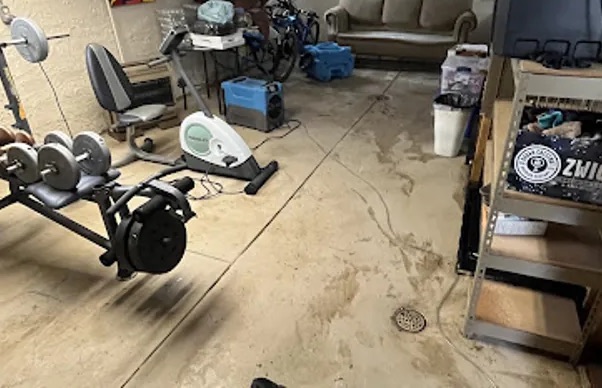
Professional Industrial Dehumidification in Spring, TX
Mold is a frequent consequence of untreated moisture in warehouses, manufacturing facilities, and other large commercial spaces. It poses health risks to occupants and can damage stored products, inventory, and essential building systems over time.
Industrial dehumidification needs in Spring and surrounding communities like The Woodlands, Humble and Porter are handled by experienced water damage restoration pros. They manage everything from humidity control systems to flood cleanup on large sites. Help is available 24/7 whenever moisture problems come up.
Industrial Drying Services in Spring
Mold Remediation Services
Mold in a commercial building indicates a deeper moisture issue. The pros use industrial dehumidifiers to create a dry environment that inhibits mold.
Disaster Recovery Drying
Recovering from a widespread water event requires professional drying resources. Industrial dehumidification units run continuously to remove the immense volume of moisture introduced.
Industrial Humidity Reduction Systems
The experts implement industrial dehumidification systems that operate reliably to meet strict environmental specs. Steady humidity protects sensitive equipment and stored records.
Warehouse Moisture Control
Controlling ambient humidity is crucial in warehouse storage. Industrial dehumidification pros install and monitor systems to maintain optimal moisture levels.
Structural Drying Services
The pros in Spring dry the framing, walls and slabs of a wet building, including the hidden moisture that causes slow decay.
Warning Signs You Need Industrial Dehumidification
Visible Mold
Black, green or white spots on walls or contents mean humidity has been high for too long.
Stained Ceilings or Walls
Yellow or brown water stains show where past leaks happened and where moisture may still be.
Recent Flood or Spill
A burst pipe or overflow that soaks a commercial space needs cleanup and drying right away.
Soggy Inventory or Stock
Wet cardboard, damaged goods or damp raw materials mean humidity in the building is not under control.
How Industrial Dehumidification Works in Spring
Step 1: Secure Area and Remove Water
The site is made safe, then water is removed with industrial equipment.
Step 2: Install Commercial Dehumidification
Large commercial dehumidifiers bring the humidity down so the drying can start.
Step 3: Accelerated Evaporation and Drying
Air movers speed up evaporation, and the dehumidifiers collect the water from the air.
Step 4: Achieve Dry Standard and Demobilize
After confirming all materials meet the dry standard, pros dismantle the drying system.
Reasons for Industrial Flood Damage in Spring
Poor Ventilation and Airflow
Poor ventilation traps moisture from work processes and people inside the building.
Roof Leaks and Storm Damage
Damaged roofing lets water in during heavy rain, wetting stock and floors below.
Process Water or Chemical Spills
Industrial processes that use liquids carry a constant risk of accidental spills and releases.
Appliance Malfunctions and Overflows
Water heater failures or broken process lines can flood large areas suddenly.
Industrial Dehumidification for Homes and Businesses in Spring
Residential Industrial Dehumidification
In homes, water from a burst pipe spreads inside walls and under floors. The pros find the wet areas with meters and dry them to save the structure and finishes.
Commercial Industrial Dehumidification
Manufacturing plants and warehouses need large-scale drying after a major water incident. Drying brings the space back to the humidity levels production requires.
Industrial Dehumidification vs. Do-It-Yourself in Spring
Wiping condensation off pipes, windows and cold surfaces gives short-term relief. Bringing down humidity in a whole commercial building takes moisture readings and large dehumidifiers.
Industrial Dehumidification Pricing in Spring
Industrial flood cleanup costs depend on the scale of water removal and how many hours of structural drying are needed.
Water Contamination Level
Clean, gray and black water need different safety steps and cleanup methods.
Mold Remediation Needs
If mold is found, containment, removal and air scrubbing are added to the job.
Affected Square Footage
The size of the area to be dehumidified sets how much equipment and labor are needed.
Does Insurance Cover Industrial Dehumidification?
Structural drying services after a leak are often covered if the cause is a sudden, accidental peril named in the policy, such as a burst pipe. Homeowners should always verify deductibles, limits, and specific requirements directly with their insurance company before work proceeds.
Why Spring Properties Need Local Pros for Industrial Dehumidification
Humidity Reduction Systems
Dehumidifiers can stay in place until humidity in the building is stable.
Containment Protocols
Where mold is found, barriers keep it from spreading to other parts of the building.
24/7 Emergency Response
Fast water extraction limits how far damage spreads in a large building.
Emergency Flood Response in Spring
Standing water left in a building can lead to mold within a day or two. Call (281) 717-6340 to reach the pros for commercial water cleanup and humidity control, any hour.
Call Now (281) 717-6340Industrial Dehumidification Near Spring: Areas Served
The pros provide commercial dehumidification and water cleanup for facilities in Spring and nearby The Woodlands, Humble and Porter.
- Industrial Dehumidification in The Woodlands
- Industrial Dehumidification in Humble
- Industrial Dehumidification in Porter
- Industrial Dehumidification in New Caney
- Industrial Dehumidification in Tomball
- Industrial Dehumidification in Conroe
- Industrial Dehumidification in Pinehurst
- Industrial Dehumidification in Magnolia
- Emergency Damage Restoration in 77373
- Storm Damage Restoration in 77373
- Water Damage Restoration in 77373
- Water Extraction Service in 77373
- Water Leak Detection in 77373
- Water Removal Service in 77373
- Emergency Damage Restoration in 77379
- Storm Damage Restoration in 77379
Industrial Dehumidification FAQs
Does all water require the same cleanup approach?
No. Clean water from a supply line, gray water from appliances and black water from sewage each need different safety and cleanup steps.
What is industrial dehumidification?
It is removing excess moisture from the air and materials in commercial or industrial buildings after water damage, using large dehumidifiers.
What is the first step in emergency water removal?
The initial critical step is extracting all standing water using truck-mounted or portable pumps and extractors.
What is structural drying?
It removes moisture soaked into building materials like concrete slabs and walls so they do not decay or grow mold.
What tools do industrial dehumidification pros use for moisture control?
Local pros use an array of tools including penetrating and non-penetrating moisture meters, thermal imaging cameras, industrial-grade dehumidifiers, and high-volume air movers.