Richmond, TX · Fort Bend County
Multi-Family Water Damage Restoration in Richmond, TXCondo Water Damage Cleanup & Multi-Family Property Drying
Multi-Family Water Damage Restoration in Richmond includes apartment water extraction, condo water damage cleanup, and multi-unit flood drying.
Answered 24/7
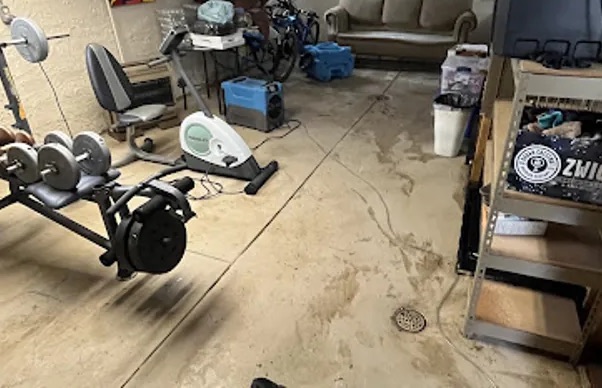
Expert Multi-Family Water Damage Restoration in Richmond, Rosenberg, Pecan Grove and Sugar Land
Mold remediation in multi-family buildings becomes a concern whenever water intrusion is not fully dried. In the climate of Richmond, hidden moisture in walls or under carpets can quickly lead to mold.
Multi-family water damage restoration in Richmond addresses the specific challenges of apartments and condos. Water easily spreads through shared walls and utility chases, affecting multiple units from one leak.
Multi-Family Water Damage Restoration Services in Richmond
Condo Water Damage Cleanup
Condo water damage cleanup manages incidents that impact adjacent units. It includes extraction, sanitation and controlled drying.
Multi-Family Property Drying
Local multi-family water damage pros develop a drying plan that addresses moisture in shared walls, floor assemblies and common area ceilings.
Carpet Water Damage Restoration
Carpet water damage restoration involves extracting water, cleaning, and drying carpets in hallways and units. If padding is soaked, it is removed to dry the subfloor.
Emergency Water Removal
When a building floods, water is removed from units and common areas first, so it does not keep running down to lower floors.
Apartment Water Extraction
Apartment water extraction targets leaks from fixtures, HVAC or roofs. Local multi-family water damage pros use truck-mounted extractors for high-volume water removal.
Signs of Serious Water Damage in Richmond Apartments
Increased Humidity in Units
A clammy feeling in apartments after a leak means the units were not fully dried.
Sagging Ceiling Tiles or Panels
Ceiling materials that are drooping or bowing are heavy with water and risk collapse, needing early action.
Buckling or Warped Flooring
Carpets, laminate, or hardwood floors that are lifting or cupping are classic signs of water damage in apartment buildings.
Swollen or Soft Drywall
Walls or ceilings that feel soft or spongy are soaked through, and the wet drywall usually has to be cut out and replaced.
How Multi-Family Water Damage Restoration Works in Richmond
Step 1: Source Containment and Safety Securement
The first priority is stopping the active water flow and securing the area for safety, helping ensure no electrical hazards exist for residents or workers.
Step 2: High-Efficiency Condo Water Removal
Submersible pumps and portable extractors remove water from balconies, parking garages and living spaces.
Step 3: Building-Wide Dehumidification and Air Scrubbing
Large-capacity dehumidifiers and air scrubbers work to remove moisture from the air and eliminate odors throughout the building's ventilation system.
Step 4: Detailed Reporting for Property Management
The pros provide a comprehensive report detailing the cause, actions taken, and moisture logs for the property manager's permanent records.
Leading Causes of Flooding in Richmond Multi-Unit Properties
Fire Suppression Efforts
Water used to extinguish a fire in one unit can cause extensive collateral water damage to surrounding apartments and hallways.
Roof Leaks During Heavy Rain
Compromised roofing can allow water to seep into top-floor units and cascade down.
Appliance Malfunctions and Overflows
Faulty washing machines, water heaters, or dishwashers in individual units can flood multiple floors.
Sprinkler System Accidental Discharge
A faulty or damaged fire sprinkler head can release hundreds of gallons.
Multi-Family Water Damage Restoration for Apartments and Businesses in Richmond
Residential Multi-Family Water Damage Restoration
For apartment complexes and condominiums, the pros in Richmond address leaks that spread between units. Proper drying prevents disputes between neighbors and landlords over mold issues.
Commercial Multi-Family Water Damage Restoration
For multi-tenant office buildings or retail spaces, the pros contain business interruptions. Documentation for insurance is thorough to support claims for both property managers and business owners.
The Risks of DIY Multi-Family Water Damage Restoration in Richmond
Monitoring the area for new signs of moisture like expanding stains or odors is a reasonable owner task. You can wipe down surface moisture on non-porous materials.
What Influences Multi-Family Water Damage Restoration Pricing in Richmond
Factors influencing multi-family property drying costs in Richmond include the total square footage requiring remediation and the number of air movers and dehumidifiers deployed.
Water Damage Category
Clean water from a broken pipe costs less to remediate than contaminated gray or black water, which requires stricter safety protocols and more intensive cleaning procedures.
Structural Material Damage
Costs go up when drywall, subflooring or cabinets must be removed and repaired, compared to water on sealed concrete or tile.
Affected Unit Count
One flooded apartment costs far less than water that spread through several units, which need more equipment and labor.
Does Insurance Cover Multi-Family Water Damage Restoration?
Emergency water removal services following a flood in apartments often prompt an insurance claim. This documentation is provided for the insurance company's review.
Benefits of Local Pros for Multi-Family Water Damage Restoration in Richmond
Advanced Multi-Unit Drying
Commercial equipment reaches water in wall cavities and between units, where household fans cannot dry it.
Containment Protocols
To protect unaffected apartments, the pros set up containment barriers, controlling dust and moisture migration during wet drywall removal and drying.
Coordinated Property Management
The pros can coordinate with property managers to schedule access and minimize disruption during multi-family property drying projects.
Emergency Water Damage Help in Richmond
Water spreading in your apartment building requires immediate action. For 24/7 emergency water removal in Richmond to stop the damage and start the drying process, call the experts at (281) 717-6340 now.
Call Now (281) 717-6340Locations for Multi-Family Water Damage Restoration Around Richmond
Leaks and floods in apartment complexes in Richmond often spread across several units. The pros handle cleanup and drying in Richmond and nearby locations such as Rosenberg, Pecan Grove and Sugar Land.
- Multi-Family Water Damage Restoration in Rosenberg
- Multi-Family Water Damage Restoration in Pecan Grove
- Multi-Family Water Damage Restoration in Sugar Land
- Multi-Family Water Damage Restoration in Four Corners
- Multi-Family Water Damage Restoration in Mission Bend
- Multi-Family Water Damage Restoration in Meadows Place
- Multi-Family Water Damage Restoration in Fulshear
- Multi-Family Water Damage Restoration in Stafford
- Emergency Damage Restoration in 77406
- Storm Damage Restoration in 77406
- Water Damage Restoration in 77406
- Water Extraction Service in 77406
- Water Leak Detection in 77406
- Water Removal Service in 77406
- Emergency Damage Restoration in 77407
- Storm Damage Restoration in 77407
Your Multi-Family Water Damage Restoration Questions Addressed
Does multi-unit flood drying require special equipment?
Yes, commercial-grade dehumidifiers, high-capacity air movers, and specialized moisture detection tools are used to effectively dry shared walls, floors, and cavities across multiple units.
How is condo water damage cleanup handled when shared walls are involved?
The pros use techniques to dry within shared wall cavities, a key aspect of multi-unit water damage restoration to prevent moisture migration to adjacent units.
Is commercial water extraction used for apartment buildings?
Yes. Apartment buildings often need truck-mounted units and commercial pumps to move large volumes of water.
What steps follow emergency water removal in a condo?
After extraction, detailed drying begins, potentially including wet drywall removal, subfloor drying, dehumidification, and ongoing moisture monitoring until all materials meet dry standards.
How is emergency water removal different in multi-unit buildings?
It requires coordinated access, potential containment to protect unaffected units, and often larger-scale extraction equipment to manage higher water volumes from common sources.