Dayton, TX · Liberty County
Office Building Water Extraction in Dayton, TXOffice Building Flood Cleanup & Office Water Damage Cleanup
Office Building Water Extraction in Dayton handles office building flood cleanup, commercial carpet water extraction and wet drywall removal.
Answered 24/7
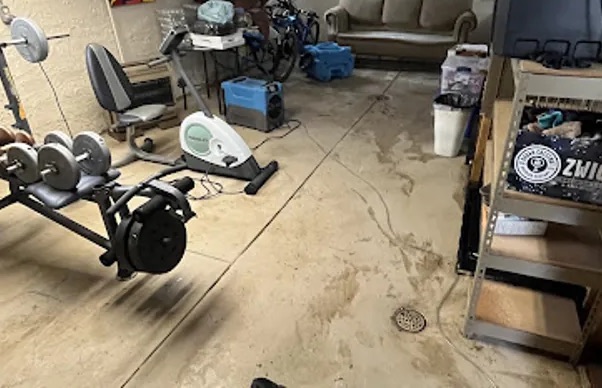
Office Building Water Extraction for Dayton Businesses
Most office water losses in Dayton start with a supply line, a restroom fixture, a sprinkler head or a roof drain. The water often shows up first as wet carpet or a dripping ceiling tile.
Office building water extraction is available in Dayton and nearby Liberty, Mont Belvieu and Crosby. The pros handle glue-down carpet, drop ceilings and metal-stud walls common in offices.
Office Building Water Extraction Services in Dayton
Office Building Flood Cleanup
Large floods are split into zones so drying can start in one part of the building while extraction continues in another.
Office Water Damage Cleanup
Cleanup in an office covers floors, walls, furniture bases and the space under raised floors or cabinets where water hides after a leak.
Wet Drywall Removal
Office partition walls often have metal studs and insulation that holds water. Removing the bottom strip of drywall lets air reach the cavity.
Ceiling Leak Water Removal
Leaks from roof drains, rooftop units or the floor above often spread across a drop ceiling before tiles stain. The pros lift tiles to find the full wet area.
Office Building Drying Services
Drying plans are set up around work hours where possible, with quieter equipment in occupied areas and heavier units in closed sections.
Warning Signs of Office Water Damage in Dayton
Swollen Baseboards
Baseboards that swell, split or pull from the wall show that water has wicked up into the drywall behind them.
Condensation on Windows and Walls
Beads of water on windows or cold walls inside an office mean the air is very humid, often from wet materials nearby.
Wet or Squishy Carpet
Carpet that feels damp or makes a squishing sound underfoot means water is in the backing or sitting on the slab beneath it.
Loose or Lifting Carpet Tiles
Carpet tiles that shift or curl at the edges usually mean water has softened the adhesive underneath them.
How Office Building Water Extraction Works in Dayton
Step 1: Walkthrough With Management
The pros walk the affected floors with the property manager to agree on what to dry first and what can stay open.
Step 2: Extraction
Water is removed from carpet, tile and cabinet bases, and wet debris is cleared from the floor.
Step 3: Controlled Drying
Dehumidifiers and air movers are adjusted daily as readings change, and wet furniture is dried or set aside.
Step 4: Closeout Records
A record of readings, photos and removed materials is prepared for the owner, tenants and their insurers.
Common Causes of Office Water Damage in Dayton
Water Heater Failure
Tank water heaters in utility closets can rust through and leak into nearby offices and storage rooms.
Sewer Backups
A blocked building drain can push sewage up through floor drains and restroom fixtures on the lowest level.
Restroom Overflows
Clogged toilets and sinks in shared restrooms can overflow, and the water often reaches the floor or suite below.
Sprinkler System Discharge
A damaged head or a broken fitting in a fire sprinkler system can release a large amount of water across an office floor.
Water Extraction for Offices, Home Workspaces and Mixed-Use Buildings in Dayton
Residential Water Extraction
Condo and townhome owners who run a business from home can get extraction and drying for both the living space and the office room at once.
Office Building Water Extraction
Medical, legal and accounting offices with paper records get those files boxed and moved first, and wet documents are set aside for document drying.
Office Building Water Extraction vs. DIY Cleanup in Dayton
In-house maintenance can often stop the source. Drying glue-down carpet, metal-stud walls and plenums needs meters and commercial dehumidifiers to confirm the job is done.
What Drives Office Building Water Extraction Cost in Dayton
Leaks that reach more than one floor cost more because each level needs its own extraction, drying setup and set of records.
Ceilings and Walls
Wet ceiling tiles, plenum insulation and the lower strip of drywall add removal and drying time to the job.
Size of the Wet Area
The square footage of wet carpet, walls and ceiling sets how much equipment is needed and how long it runs.
Work Hours
Night and weekend extraction to keep the office open can carry a higher rate than work done during business hours.
Does Insurance Cover Office Building Water Extraction?
Tenants should check their own policy for contents and business interruption coverage. The building owner's policy usually covers the structure itself.
Reasons to Use Local Pros for Office Water Removal
Hidden Water Found
Thermal cameras and meters find water under carpet tiles, above ceiling grids and inside partition walls.
Drying Measured, Not Guessed
Equipment comes out only after meters show floors and walls are dry, not when the carpet feels dry to the touch.
Contaminated Water Handled Safely
Water from sewer backups or restroom overflows is treated as contaminated, with wet porous materials removed and surfaces disinfected.
After-Hours Office Water Extraction in Dayton
Water spreading across your Dayton office? Call (281) 717-6340 24/7. Shut off the water if you can and keep people away from wet outlets and ceiling tiles.
Call Now (281) 717-6340Office Building Water Extraction Coverage in Dayton, Texas
From Dayton to Liberty, Mont Belvieu and Crosby, office water losses follow the same order: stop the source, remove the water and dry the space.
- Office Building Water Extraction in Liberty
- Office Building Water Extraction in Mont Belvieu
- Office Building Water Extraction in Crosby
- Office Building Water Extraction in Barrett
- Office Building Water Extraction in Atascocita
- Office Building Water Extraction in Highlands
- Office Building Water Extraction in Baytown
- Office Building Water Extraction in Kingwood
- Emergency Damage Restoration in 77535
- Storm Damage Restoration in 77535
- Water Damage Restoration in 77535
- Water Extraction Service in 77535
- Water Leak Detection in 77535
- Water Removal Service in 77535
Office Building Water Extraction FAQs
Why is professional equipment needed in an office?
Glue-down carpet, metal-stud walls and large open floors hold more water than household tools can remove, and drying needs to be measured.
Can extraction happen at night or on weekends?
Yes. Help is available 24/7, and many offices prefer extraction to start after hours so fewer people are disturbed.
What safety steps are taken during office water extraction?
Power to wet areas is shut off, sagging ceiling tiles are removed and walkways are kept clear of hoses and cords.
What records will the property manager receive?
Photos, daily moisture readings and a list of removed materials for each affected area, which can be shared with insurers.
Who pays for water damage in a leased office?
It depends on the lease and the policies. The building policy usually covers the structure, and the tenant's policy may cover contents.