Lake Jackson, TX · Brazoria County
Rapid Structural Drying in Lake Jackson, TXMoisture Mapping Services & Structural Dehumidification
Rapid Structural Drying in Lake Jackson includes emergency structural drying, moisture mapping services, and flood drying services.
Answered 24/7
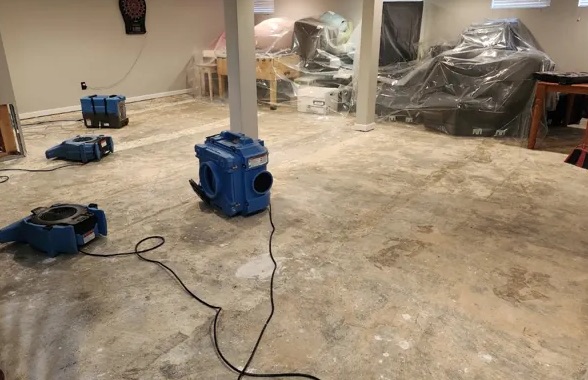
Professional Rapid Structural Drying in Lake Jackson, TX
Concrete slabs, subfloors and wall studs all absorb moisture at different rates. Incomplete drying leaves residual dampness that weakens structures over time.
Residential structural drying in Lake Jackson focuses on protecting family homes from water-related deterioration. Local moisture removal experts perform flood drying services and moisture mapping services as part of a full response. Coverage includes areas around Richwood, Clute and Oyster Creek for convenient access.
Tailored Rapid Structural Drying for Lake Jackson
Moisture Mapping Services
Hidden water damage can undermine drying efforts. Moisture mapping services employ thermal imaging cameras and sophisticated meters to detect anomalies behind surfaces.
Structural Dehumidification
The core of rapid structural drying is aggressive dehumidification. Using low-grain refrigerant (LGR) or desiccant units, pros control the environment to halt secondary damage.
Subfloor Drying
Wet subfloors can warp, swell, and compromise the floor system. Drying removes moisture from plywood or OSB, often requiring lifted flooring sections to allow direct airflow from above and below.
Flood Drying Services
Widespread flooding presents a unique drying challenge. Services for this scenario involve creating drying chambers and managing airflows across large spaces.
Crawl Space Drying
Damp crawl spaces promote wood rot, mold, and musty odors. Drying addresses standing water and high humidity with extraction, ventilation, and industrial dehumidification to create a dry, stable environment.
When to Consider Rapid Structural Drying in Lake Jackson
Recent Plumbing Leak or Flood
Any recent leak or flood can leave water inside walls and floors even after surfaces look dry.
Musty Odors in Your Home
A musty smell that will not go away usually means moisture is trapped inside walls or under floors.
High Indoor Humidity Levels
A clammy feeling in the air suggests elevated moisture that structural dehumidification equipment is designed to correct.
Mold Growth on Baseboards
Mold appearing along floor edges often points to hidden moisture in wall cavities or subfloors needing extraction.
How Rapid Structural Drying Works in Lake Jackson
Step 1: Emergency Response and Moisture Detection
Local moisture removal experts use meters and thermal cameras to find all wet areas and decide which to dry first.
Step 2: Setup of Airflow and Dehumidification
A balanced system of airflow and structural dehumidification is established to pull moisture from materials and condense it out of the air.
Step 3: Specialized Drying for Concrete and Cavities
Specialized techniques like concrete slab drying and forced cavity drying are applied to address moisture trapped in the most challenging structural components.
Step 4: Final Structural Integrity Confirmation
Final moisture readings are recorded for each area to confirm the structure is dry before repairs begin.
Common Causes of Water Damage Requiring Rapid Structural Drying in Lake Jackson
Poor Ventilation in Enclosed Spaces
Inadequate airflow in crawl spaces or wall cavities traps moisture, promoting rot and mold that experts must address.
Overflowing Sinks or Bathtubs
A bathroom overflow can send water under flooring and into wall cavities, where it stays hidden.
Severe Weather and Flooding
Heavy rainfall or localized flooding can overwhelm drainage, leading to water intrusion.
Roof Leaks From Storm Damage
Wind-driven rain or damaged shingles allow water to infiltrate attics and wall cavities, leading to widespread structural moisture.
Rapid Structural Drying for All Property Types in Lake Jackson
Residential Rapid Structural Drying
In homes, rapid structural drying targets moisture trapped in walls, under floors, and in crawl spaces after a leak.
Commercial Rapid Structural Drying
For businesses, commercial structural drying minimizes downtime after water damage. The pros focus on large-scale moisture removal from concrete slabs, interior wall cavities, and office subfloors using high-capacity equipment to get operations back to normal.
Why DIY Rapid Structural Drying Often Fails
Wipe down accessible surfaces with towels and increase ventilation by opening windows if weather permits. Avoid using household fans on wet drywall, as they can spread mold spores.
Factors Affecting Rapid Structural Drying Pricing
Residential structural drying cost in Lake Jackson hinges on how quickly water is extracted and how many air movers and dehumidifiers are deployed. Drying a subfloor or crawl space also changes the price.
Secondary Damage Prevention
Efforts to prevent mold growth during the drying process, such as applying antimicrobials, can be a factor in the service cost.
Water Contamination Category
Clean water from a broken pipe is simpler to address than contaminated flood water, which requires more extensive safety and drying protocols.
Project Duration
The total time needed for complete structural dehumidification and achieving dry standards affects the overall labor and equipment rental period.
Does Insurance Cover Rapid Structural Drying?
Whether insurance covers emergency structural drying in Lake Jackson is determined by your specific policy language. It is essential to confirm coverage details with your insurance provider before authorizing any major work.
Benefits of Professional Rapid Structural Drying
Industrial-Grade Drying Equipment
High-capacity air movers and dehumidifiers dry crawl spaces and concrete slabs, which hold water longest.
Water Mitigation Drying Expertise
The approach is part of a complete water mitigation process to stabilize the property quickly.
24/7 Emergency Response
Help is available day or night to begin the rapid structural drying process and limit further damage.
24/7 Rapid Structural Drying When You Need It
The first 24 to 48 hours after a leak matter most for drying. If you have standing water or soaked walls, call (281) 717-6340 to start drying.
Call Now (281) 717-6340Rapid Structural Drying in Lake Jackson and Nearby Areas
Structural drying is important for properties throughout Brazoria County. From crawl spaces to concrete slabs, the pros help homeowners in Lake Jackson and neighboring areas like Richwood, Clute and Oyster Creek.
- Rapid Structural Drying in Richwood
- Rapid Structural Drying in Clute
- Rapid Structural Drying in Oyster Creek
- Rapid Structural Drying in Freeport
- Rapid Structural Drying in Brazoria
- Rapid Structural Drying in Angleton
- Rapid Structural Drying in Danbury
- Rapid Structural Drying in West Columbia
- Emergency Damage Restoration in 77566
- Storm Damage Restoration in 77566
- Water Damage Restoration in 77566
- Water Extraction Service in 77566
- Water Leak Detection in 77566
- Water Removal Service in 77566
Frequently Asked Rapid Structural Drying Questions
Can flood drying services prevent mold?
Prompt flood drying services that quickly remove water and lower humidity can significantly reduce the risk of mold growth, which often begins within 24-48 hours in damp conditions.
What is rapid structural drying?
Rapid structural drying is a focused water mitigation process using industrial equipment to quickly remove moisture from building materials like walls, floors, and substructures to prevent further damage.
What equipment is used for water mitigation drying?
Water mitigation drying utilizes industrial air movers for evaporation, high-capacity dehumidifiers to remove vapor, and moisture meters to monitor progress throughout the structural drying process.
Why document the process for insurance?
Detailed documentation of moisture readings, photos, and equipment used provides a clear record for your insurance claim, showing the necessity and scope of the rapid structural drying services performed.
What is involved in subfloor drying?
Subfloor drying involves using specialized air movers and dehumidifiers to draw moisture out of the wooden or concrete layer beneath flooring, often requiring access panels or strategic placement of equipment.