Webster, TX · Harris County
Roof Leak Water Removal in Webster, TXWall Cavity Drying & Attic Water Extraction
When rain gets into a Webster attic, roof leak water removal means emergency roof tarping, attic water extraction and structural drying services.
Answered 24/7
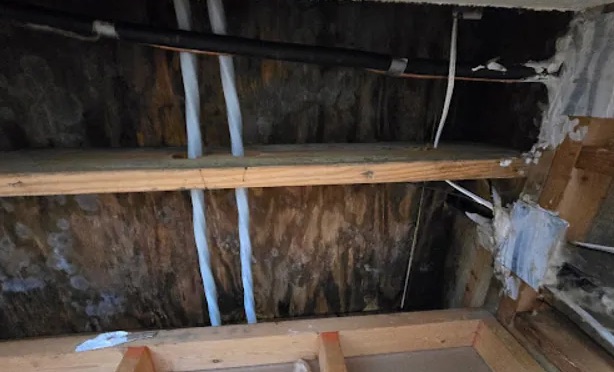
Water From a Roof Leak in Webster, Texas
Water from a roof leak lands on the ceiling first. Drywall can hold only so much before it sags, so getting water out of the attic quickly protects the room below.
Roof leak water removal is available in Webster and nearby Nassau Bay, League City and Taylor Lake Village. The pros tarp the opening if needed, extract the water and dry the attic framing and ceiling drywall.
Roof Leak Water Removal Services in Webster
Wall Cavity Drying
Water that follows a top plate or a pipe chase can soak insulation inside a wall. Moisture meters find it, and air is pushed into the cavity to dry it.
Attic Water Extraction
The pros remove standing water from the attic first, because a ceiling holding water can sag and give way under the weight.
Leak Source Identification
Photos of the entry point, the wet decking and the path of the water give the roofer and your insurer a clear record of the leak.
Wet Contents Protection
Belongings stored in the attic or sitting under a dripping ceiling are moved to a dry room so they do not keep absorbing water while drying runs.
Wet Insulation Removal
Soaked batts and blown insulation hold water against the ceiling and framing for weeks. The pros bag and remove it so the attic can dry.
Roof Leak Warning Signs in Webster
Water Stains on the Ceiling
Brown or yellow rings on the ceiling, often growing after each rain, mean water is reaching the drywall from above.
Dark Spots on Attic Wood
Dark streaks or spots on rafters and roof decking show where water has been running or sitting for a while.
Damp Baseboards on Exterior Walls
Wet or swelling baseboards under a ceiling stain mean water has traveled down the wall cavity from the attic.
Dripping From a Light Fixture
Water dripping from a light or ceiling fan means it has pooled above the ceiling. Turn off that circuit and keep people clear.
How Roof Leak Water Removal Works in Webster
Step 1: Assess the Leak
The pros look at the roof, attic and ceilings to see how long the leak has been running and what it has soaked.
Step 2: Remove Water and Debris
Water, wet insulation and fallen drywall are cleared out so the attic and room below can dry evenly.
Step 3: Clean Wet Surfaces
Wood and drywall that stayed wet for a day or more are cleaned and treated before drying to limit odor and mold.
Step 4: Monitor Until Dry
Readings are taken on each visit and the equipment is moved as areas dry, until every wet spot reaches its target.
Where Roof Leaks Start in Webster
Damaged or Missing Shingles
Wind, age and impact lift or tear shingles and leave the underlayment exposed, so rain soaks straight into the decking.
Clogged Gutters
Leaves and debris in gutters make water back up at the roof edge, where it seeps under shingles and into the soffit and walls.
Cracked Vent Boots
The rubber collars around plumbing vents dry out and split with age, letting rain drip down the pipe into the attic.
Worn Flashing
Flashing around chimneys, skylights and wall joints can crack, rust or pull loose, and water runs in along the gap.
Home and Business Roof Leak Cleanup in Webster
Residential Roof Leak Water Removal
Persistent roof leaks can rot rafters and roof decking. The pros dry the framing and point out any wood that looks soft so the roofer can replace it.
Commercial Roof Leak Water Removal
In multi-tenant buildings, water from one roof leak can reach several floors. The pros trace it down through each level and dry every space it reached.
Roof Leak Water Removal vs. DIY: When to Call Local Pros
Stay out of an attic that has standing water or soft spots. Ceiling drywall between the joists will not hold your weight and can give way.
Factors in Roof Leak Water Removal Cost in Webster
A single stain over one room costs far less to dry than a leak that soaked the attic for weeks. Tarping, insulation removal and drywall cuts each add to the total.
Attic Access
Low, tight attics with little floor to stand on take longer to work in than open attics with a walkway.
How Long It Leaked
A leak caught during the first storm usually means less wet material than one that has been dripping into the attic for weeks.
Insulation Removal
Bagging and hauling soaked insulation takes labor, and the attic needs new insulation once the framing is dry.
Does Insurance Cover Roof Leak Water Removal?
Call your insurer soon after you find the leak. Photos of the ceiling, attic and roof, plus the moisture readings, help the adjuster review the claim.
Why Roof Leaks Need Professional Drying in Webster
Wet Insulation Handled
Soaked insulation is bagged and removed so the ceiling and framing can dry instead of staying damp under it.
Drying to Measured Targets
Drying stops only when meters show the wood and drywall are dry, not when the surface looks dry.
Safe Attic Work
The pros know how to move through an attic on the framing and handle wet ceilings without bringing them down.
24/7 Emergency Roof Leak Water Removal in Webster
Water coming through the ceiling during a storm in Webster? Call (281) 717-6340 24/7. The pros can tarp the roof and remove water from the attic before the ceiling gives way.
Call Now (281) 717-6340Areas Served for Roof Leak Water Removal Near Webster
From Webster to Nassau Bay, League City and Taylor Lake Village, roof leak cleanup follows the same steps: stop the water, remove it from the attic and dry the structure.
- Roof Leak Water Removal in Nassau Bay
- Roof Leak Water Removal in League City
- Roof Leak Water Removal in Taylor Lake Village
- Roof Leak Water Removal in El Lago
- Roof Leak Water Removal in Friendswood
- Roof Leak Water Removal in Seabrook
- Roof Leak Water Removal in Clear Lake Shores
- Roof Leak Water Removal in Pasadena
- Emergency Damage Restoration in 77598
- Storm Damage Restoration in 77598
- Water Damage Restoration in 77598
- Water Extraction Service in 77598
- Water Leak Detection in 77598
- Water Removal Service in 77598
Roof Leak Water Removal Questions Answered
How is water removed from an attic?
Standing water is pulled out with wet vacuums and extractors, then soaked insulation is removed so the ceiling and framing can be dried.
Can a roof leak cause mold in the attic?
Yes, if the wood and insulation stay wet. Prompt extraction and drying, plus removing soaked insulation, keep the attic from staying damp long enough for mold.
How do the pros find where a roof is leaking?
They trace the water from the stain up into the attic, follow it along the rafters and decking, and use moisture meters to find the entry point.
Does a stained ceiling always need to be replaced?
No. If moisture readings show the drywall is firm and dries out, it can often stay and be primed and painted. Soft or sagging sections are replaced.
Why should rainwater be removed from the attic quickly?
Water in the attic soaks through the ceiling into the rooms below and keeps the framing wet. Removing it early limits drywall and insulation losses.