ZIP 77555 · Galveston, TX · Galveston County
Storm Damage Restoration in 77555Wind-Driven Rain Drying & Debris Removal After Storm
Storm Damage Restoration in Galveston handles hail damage leak cleanup, wall cavity drying after storms and storm damage water extraction.
Answered 24/7
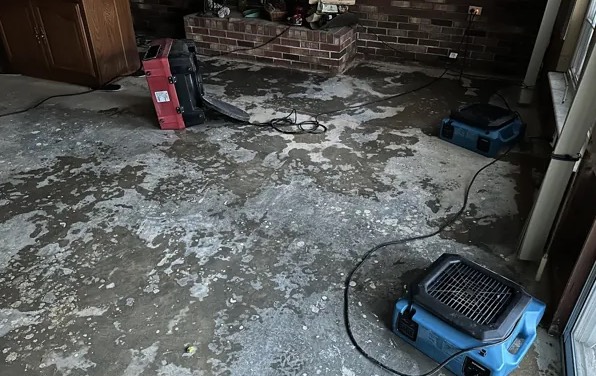
Help With Storm Damage in 77555
In Galveston, the storms that cause the most water damage bring strong wind and heavy rain together, pushing water into places it does not normally reach.
Storm Damage Restoration Services in 77555
Wind-Driven Rain Drying
Wind-driven rain soaks the windward side of a house first. Drying focuses on those walls, the window sills and the carpet along them.
Debris Removal After Storm
Wet debris left in a room keeps the space damp. Clearing it is the first step before the pros extract water and set up drying.
Emergency Roof Tarping
When wind or a fallen branch opens the roof, a tarp is fastened over the damage as a stopgap until a roofer makes the repair.
Hail Damage Leak Cleanup
After a hailstorm, leaks may not show for days. Ceiling stains and wet insulation are checked and dried, and the damaged spots are noted for the roofer.
Wall Cavity Drying After Storms
When siding is torn or cracked in a storm, rain gets into the wall. The inside is dried while the outside is covered until it can be repaired.
How to Tell a Storm Let Water Inside
Broken Windows or Doors
Any broken glass or damaged door lets rain and wind in. The opening needs to be covered before drying can work.
Ceiling Stains After a Storm
New brown rings or damp spots on the ceiling after high wind or hail mean water is getting through the roof.
Wet Attic Insulation
Damp or matted insulation in the attic after a storm means rain is getting past the roof deck.
Wet Carpet Near Windows and Doors
Damp carpet or swollen flooring along exterior walls shows that rain was driven in around frames or under doors.
How Storm Damage Restoration Works in 77555
Step 1: Protect Belongings
Furniture, electronics and stored items in wet rooms are moved, raised or covered before extraction begins.
Step 2: Extraction Room by Room
Water is removed from each affected room, and wet carpet that cannot be saved is pulled up.
Step 3: Wall Cavity Drying After Storms
Water behind siding and inside exterior walls is found with meters and dried through small openings or removed baseboards.
Step 4: Verify and Close Out
Final readings and photos are recorded for each room, so you and your insurer can see the drying results.
How Storms Let Water Into 77555 Homes
Overflowing Gutters
Heavy rain can overflow clogged or undersized gutters, sending water down walls and toward the foundation.
Flying Debris
Outdoor furniture, signs and branches carried by wind can break glass and doors and let rain into the home.
Fallen Trees and Limbs
Branches and trees that fall on a house can open the roof or break windows, letting rain straight in.
Power Outages
Storms that knock out power stop pumps and dehumidifiers, so water that gets in stays longer than it otherwise would.
Home and Business Storm Damage Cleanup in 77555
Residential Storm Damage Restoration
In homes, storm damage usually means wet ceilings, carpet near windows and water inside exterior walls. The pros cover openings, remove the water and dry each room, with photos for your claim.
Commercial Storm Damage Restoration
For businesses, the pros board up storefronts, extract water from floors and dry the space in sections, so dry areas can be used again first.
What You Can Do Safely After a Storm in 77555
Keep receipts for tarps, plywood and any supplies you buy after the storm. Many policies cover reasonable steps taken to prevent more damage to the home.
What Storm Damage Restoration Costs in 77555
In Galveston, the biggest cost drivers after a storm are the number of wet rooms, soaked insulation and drywall, and after-hours work during the storm.
Debris Inside
Mud, glass, branches and wet insulation inside the house take time to clear and dispose of.
Water Source
Rain coming through a roof is cleaner than floodwater from outside. Dirty water means more cleaning and removal of porous materials.
Timing of the Work
Work during or right after a storm, at night or on a weekend, can carry a higher rate than scheduled work.
Does Insurance Cover Storm Damage Restoration?
The pros keep photos, moisture logs and a list of removed materials. You file the claim with your insurer and share these records with the adjuster.
Reasons to Use Local Pros for Storm Cleanup
Records for Your Claim
Photos, readings and a list of removed materials give your adjuster a clear picture of the storm damage inside the house.
Hidden Water Found
Moisture meters and thermal cameras find water in walls, attics and under flooring that is not visible after a storm.
Drying to Measured Targets
Drying ends when readings show walls and floors are dry, not when the surface looks dry.
Emergency Storm Damage Help in 77555, TX
Do not wait for the next storm to deal with an open roof or broken window. Call (281) 717-6340 so the openings are covered and the inside can dry.
Call Now (281) 717-6340Local Storm Damage Restoration Areas: 77555 and Beyond
Storm damage restoration is available in Galveston and nearby Texas City, Hitchcock and Dickinson, for homes and businesses.
Storm Damage Cleanup Questions Answered
Is storm water dirty?
Rain coming through a roof is usually clean at first. Water that came in from outside across the ground is treated as dirty and needs cleaning as well as drying.
What records will I get for my insurance claim?
Photos of the damage, daily moisture readings and a list of removed materials, which you can share with your adjuster.
How long does it take to dry a home after storm damage?
Drying often takes several days, depending on how many rooms got wet and how much insulation and drywall came out. Moisture readings decide when it is done.
What is storm damage restoration?
It is the work of securing a building after a storm, removing water and debris from inside and drying the structure. Roof, window and siding repairs are done by those trades.
What is emergency board-up?
Plywood is fastened over broken windows and doors so rain and wind stay out and the home is secure while it dries.