Baytown, TX · Harris County
Temperature-Controlled Drying in Baytown, TXThermal Drying For Water Damage & Rapid Structural Drying Services
Temperature-Controlled Drying in Baytown by local moisture control experts includes thermal drying for water damage, climate-controlled drying systems, and rapid structural drying services.
Answered 24/7
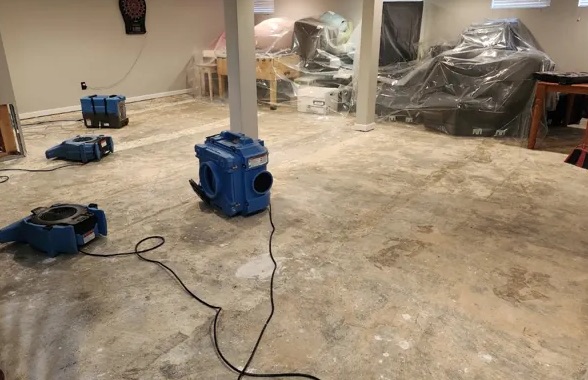
Expert Temperature-Controlled Drying Services in Baytown, Texas
In Baytown, the air itself can slow drying. Local pros run industrial dehumidifiers to strip moisture from the air so wet materials dry faster.
In Baytown and nearby Morgan's Point, La Porte and Highlands, fast structural drying stops mold before it starts. Local pros map moisture, then use LGR dehumidifiers and planned air mover placement until readings are normal.
Comprehensive Temperature-Controlled Drying Solutions for Baytown
Thermal Drying for Water Damage
The experts raise the room temperature in a controlled way to drive moisture out of dense materials like concrete slabs and beams, watching readings the whole time.
Rapid Structural Drying Services
Fast structural drying uses high-velocity air movers, industrial dehumidifiers and sometimes heat, so families in Baytown can return home sooner and mold does not start.
Drying Equipment Deployment
The experts in Baytown position equipment to create the controlled environment. They set correct settings and may build containment barriers, turning the drying plan into action.
Humidity Control for Restoration
The experts keep humidity low in properties in Baytown, so water evaporates from materials instead of soaking back in.
Air Mover Placement for Drying
The tactical setup of air-moving equipment establishes cross-flow or focus drying patterns. The experts adjust the strategy daily based on monitoring data, repositioning units.
When to Call for Temperature-Controlled Drying in Baytown, TX
Cracking of Plaster or Joints
Plaster or drywall joint tape develops new cracks or fissures. These cracks occur as wet materials swell and then contract during drying.
Warping of Wood Floors or Trim
Floorboards begin to cup, buckle, or separate at the seams. This warping is a direct result of excessive, uneven moisture content.
Damp Odors Persisting After Water
A musty smell lingers even after visible water is gone, indicating hidden moisture. That odor often signals mold or trapped dampness.
Condensation on Windows or Surfaces
Excess humidity causes water droplets to form on cold surfaces. This condensation confirms the indoor air has too much moisture.
How Temperature-Controlled Drying Works in Baytown
Step 1: Establishing the Drying Environment
The first step involves preparing the area by removing debris and setting up containment if needed.
Step 2: Implementing the Drying Array
Air movers and dehumidifiers are paired in a planned layout to dry walls and floors.
Step 3: Executing Temperature-Controlled Drying
The system executes temperature-controlled drying, maintaining ideal conditions to draw moisture out of materials.
Step 4: Final Verification and Documentation
Final verification compares moisture readings in affected materials to known dry standards in the home.
Causes of Persistent Dampness Requiring Controlled Drying in Baytown
Roof Leak During Heavy Rain
Wind-driven rain through a damaged roof or flashing can run down inside wall cavities, where it needs targeted drying.
HVAC System Condensation Issues
A clogged condensate drain line causes an overflow inside the air handler. This water can soak insulation and ductwork, creating a hidden moisture issue.
Storm-Driven Water Intrusion
Heavy rain overflows gutters or gets in around windows and soaks framing and insulation.
Undetected Plumbing Leaks
A slow drip behind a wall or under a slab saturates materials over time.
Temperature-Controlled Drying for Homes and Businesses in Baytown
Residential Temperature-Controlled Drying
At home, moisture hides in attics, crawl spaces and behind finished walls. Pros map it before setting up equipment so the whole house dries.
Commercial Temperature-Controlled Drying
In offices, schools and clinics, pros use quieter drying equipment that can run in occupied spaces, and document when drying is complete.
Professional Temperature-Controlled Drying vs. Do-It-Yourself in Baytown
A home's HVAC on 'fan only' mode can circulate air, but it is not a substitute for professional drying. A wet-dry vacuum can remove standing water from a very localized incident.
Investing in Professional Temperature-Controlled Drying in Baytown
The experts in Baytown base cost on the extent of the water damage, the humidity control needed and how long monitoring runs.
Documentation Requirements
Detailed drying logs and moisture reports for insurance take extra time to prepare.
Drying Time Required
Longer drying periods for climate-controlled systems mean more equipment runtime and monitoring, impacting the overall cost of the restoration project.
Structural Material Types
Porous materials like concrete or dense wood require more aggressive drying strategies and extended monitoring, influencing the project timeline and cost.
Does Insurance Cover Temperature-Controlled Drying?
Insurance may help pay for drying if the cause is a covered loss. Pros provide moisture maps and equipment records for your insurer, which makes the coverage decision.
Advantages of Hiring Moisture Control Experts in Baytown for Temperature-Controlled Drying
24/7 Emergency Response
Quick action is critical to limit secondary damage, and the pros are available around the clock to begin the drying process.
IICRC-Standard Drying Methods
Drying follows industry guidelines and is checked with meters, which keeps framing and floors from staying wet.
Climate-Controlled Drying Systems
Heat and humidity are kept at set levels so materials dry faster without cracking or warping.
24/7 Temperature-Controlled Drying for Emergencies in Baytown
Wet walls and floors keep getting worse until they are dried. Call the pros at (281) 717-6340 to set up drying equipment.
Call Now (281) 717-6340Temperature-Controlled Drying Serving Baytown and Nearby Areas
Climate-controlled and thermal drying are available in Baytown and surrounding places including Morgan's Point, La Porte and Highlands.
- Temperature-Controlled Drying in Morgan's Point
- Temperature-Controlled Drying in La Porte
- Temperature-Controlled Drying in Highlands
- Temperature-Controlled Drying in Shoreacres
- Temperature-Controlled Drying in Channelview
- Temperature-Controlled Drying in Mont Belvieu
- Temperature-Controlled Drying in Deer Park
- Temperature-Controlled Drying in El Lago
- Emergency Damage Restoration in 77520
- Storm Damage Restoration in 77520
- Water Damage Restoration in 77520
- Water Extraction Service in 77520
- Water Leak Detection in 77520
- Water Removal Service in 77520
- Emergency Damage Restoration in 77521
- Storm Damage Restoration in 77521
Temperature-Controlled Drying FAQs for Baytown Property Owners
How long does the temperature-controlled drying process take?
It depends on the damage, the materials and the conditions. Pros monitor readings and stop when moisture goals are met.
What does drying equipment deployment involve?
Pros assess the loss, calculate how much equipment is needed and place air movers, dehumidifiers and sometimes heaters.
When is climate-controlled drying necessary versus regular drying?
Climate-controlled drying is necessary for severe losses, sensitive materials, or when precise environmental control is needed to prevent damage, unlike simple air drying for minor spills.
How does humidity control aid in restoration?
Drier air pulls water out of wet materials faster, so lowering humidity speeds up drying.
What should a property owner do while waiting for help with drying?
If safe, remove obvious standing water with a mop or towels, move dry contents away from the wet area, and avoid using household fans which can spread contaminants.