Katy, TX · Fort Bend County
Temperature-Controlled Drying in Katy, TXRapid Structural Drying Services & Drying Equipment Deployment
For Temperature-Controlled Drying in Katy, local moisture control experts handle thermal drying for water damage, humidity control for restoration, and drying equipment deployment to prevent mold.
Answered 24/7
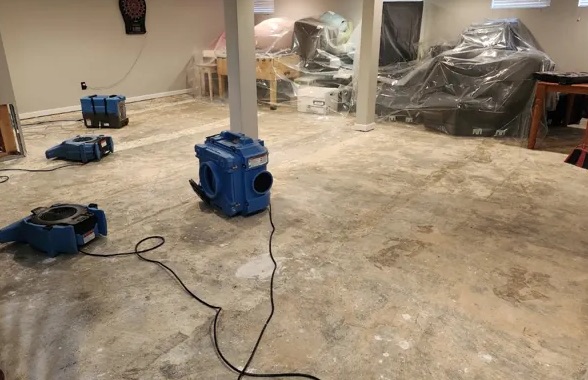
Temperature-Controlled Drying by Local Moisture Control Experts in Katy
In Katy, water trapped in subfloors, wall cavities or behind cabinets dries slowly because the air there does not move.
In Katy and nearby Brookshire, Fulshear and Mission Bend, fast structural drying stops mold before it starts. Local pros map moisture, then use LGR dehumidifiers and planned air mover placement until readings are normal.
Temperature-Controlled Drying Methods Available in Katy
Rapid Structural Drying Services
Rapid drying protocols focus on core materials providing a building's strength. The pros implement these methods for wood, concrete, and steel.
Drying Equipment Deployment
The experts choose the mix of air movers, dehumidifiers and heaters from the size of the area, the materials and the moisture levels, then set it up to run safely.
Water Damage Drying Logs
The experts in Katy maintain drying logs as an official record. This data tracks moisture reduction over time and informs any needed adjustments to the drying strategy.
Air Mover Placement for Drying
The experts plan placement around furniture and walls, and may build air dams or blow air into cavities to cut drying time in Katy homes.
Humidity Control for Restoration
The experts size dehumidifiers from the moisture map, then pair them with air movers to carry moisture away from materials.
Warning Signs Requiring Temperature-Controlled Drying in Katy
Condensation on Windows or Surfaces
Excess humidity causes water droplets to form on cold surfaces. This condensation confirms the indoor air has too much moisture.
High Humidity Readings Inside
A hygrometer showing unusually high indoor humidity after water damage means the building is still wet.
Soft Drywall or Sagging Ceiling
Drywall feels spongy to the touch or a ceiling sags downward. This softness means the material is saturated and structurally compromised.
Equipment Running With No Result
Fans or dehumidifiers that run for days without drying the area mean the moisture is deeper than household equipment can reach.
How Temperature-Controlled Drying Works in Katy
Step 1: Assessment and Moisture Detection
The pros perform a thorough assessment using thermal imaging and moisture meters. This identifies the full extent of damage, guiding the drying plan.
Step 2: Containment and Airflow Strategy
Plastic barriers close off the wet area so humidity can be controlled, and air movers are placed to move air across wet materials.
Step 3: Thermal Drying System Activation
Specialized thermal drying equipment is activated to gently raise the air temperature in the space.
Step 4: Verification and Structural Drying Completion
Readings are compared with dry areas of the building to confirm drying is complete.
Typical Reasons for Drying Needs in Katy
Foundation Cracks and Seepage
Hydrostatic pressure forces groundwater through cracks in the foundation wall. This seepage creates a constant dampness that challenges standard drying technology.
Roof Leak During Heavy Rain
Wind-driven rain through a damaged roof or flashing can run down inside wall cavities, where it needs targeted drying.
Inadequate Initial Water Extraction
Water left behind after a leak or flood moves into subfloors and walls, where it is harder to dry.
Sprinkler System Activation
A fire sprinkler discharges, releasing a large volume of water quickly. This event saturates entire areas and requires precise air mover placement and strategy.
Residential & Commercial Temperature-Controlled Drying in Katy
Residential Temperature-Controlled Drying
At home, moisture hides in attics, crawl spaces and behind finished walls. Pros map it before setting up equipment so the whole house dries.
Commercial Temperature-Controlled Drying
In offices, schools and clinics, pros use quieter drying equipment that can run in occupied spaces, and document when drying is complete.
When to Hire Local Experts for Temperature-Controlled Drying in Katy
A home's HVAC on 'fan only' mode can circulate air, but it is not a substitute for professional drying. A wet-dry vacuum can remove standing water from a very localized incident.
Understanding Temperature-Controlled Drying Cost in Katy
In Katy, cost depends on the size of the wet area and how aggressive the drying must be.
Documentation Requirements
Detailed drying logs and moisture reports for insurance take extra time to prepare.
Structural Material Types
Porous materials like concrete or dense wood require more aggressive drying strategies and extended monitoring, influencing the project timeline and cost.
Equipment Needs
The number and type of air movers, dehumidifiers and heaters used affect the cost.
Does Insurance Cover Temperature-Controlled Drying?
Coverage is not automatic and depends on your policy. Local pros provide humidity readings and equipment logs for your claim file. Your insurer decides what is covered.
Advantages of Hiring Local Experts in Katy for Temperature-Controlled Drying
Strategic Equipment Deployment
Air movers and dehumidifiers are placed according to a plan for even airflow and low humidity.
Advanced Moisture Mapping
Moisture meters and thermal cameras find hidden wet pockets so every affected material is dried.
IICRC-Standard Drying Methods
Drying follows industry guidelines and is checked with meters, which keeps framing and floors from staying wet.
Emergency Temperature-Controlled Drying Response for Katy, TX
For temperature-controlled drying after a leak or flood, call (281) 717-6340 any time. The pros can then start drying the structure.
Call Now (281) 717-6340Local Temperature-Controlled Drying Coverage for Katy, Brookshire, Fulshear and Mission Bend
Temperature-controlled drying is available for homes and businesses in Katy and nearby areas like Brookshire, Fulshear and Mission Bend.
- Temperature-Controlled Drying in Brookshire
- Temperature-Controlled Drying in Fulshear
- Temperature-Controlled Drying in Mission Bend
- Temperature-Controlled Drying in Pecan Grove
- Temperature-Controlled Drying in Four Corners
- Temperature-Controlled Drying in Richmond
- Temperature-Controlled Drying in Jersey Village
- Temperature-Controlled Drying in Sugar Land
- Emergency Damage Restoration in 77449
- Storm Damage Restoration in 77449
- Water Damage Restoration in 77449
- Water Extraction Service in 77449
- Water Leak Detection in 77449
- Water Removal Service in 77449
- Emergency Damage Restoration in 77450
- Storm Damage Restoration in 77450
Temperature-Controlled Drying Information and FAQs
What is the difference between air movers and dehumidifiers?
Air movers evaporate moisture from surfaces into the air, and dehumidifiers pull it back out of the air.
How does humidity control aid in restoration?
Drier air pulls water out of wet materials faster, so lowering humidity speeds up drying.
What is temperature-controlled drying?
It is a drying method that controls heat and humidity together to remove moisture from building materials and contents safely and quickly.
What does drying equipment deployment involve?
Pros assess the loss, calculate how much equipment is needed and place air movers, dehumidifiers and sometimes heaters.
Is temperature-controlled drying safe for electronics or artwork?
Yes, when the pros use low heat and careful humidity control, it can be safe for drying sensitive materials and belongings.