Kemah, TX · Galveston County
Temperature-Controlled Drying in Kemah, TXThermal Drying For Water Damage & Moisture Mapping
For Temperature-Controlled Drying in Kemah, local moisture control experts handle thermal drying for water damage, humidity control for restoration, and drying equipment deployment to prevent mold.
Answered 24/7
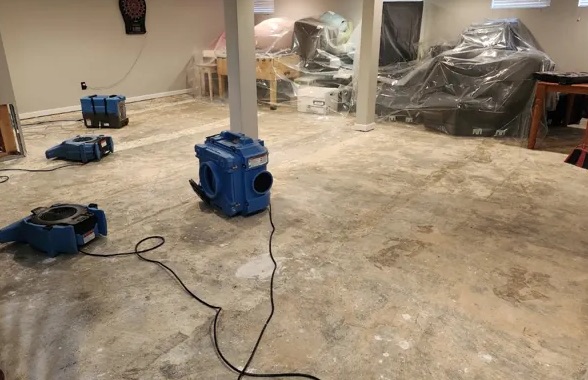
Targeted Temperature-Controlled Drying for Properties in Kemah
In Kemah, water trapped in subfloors, wall cavities or behind cabinets dries slowly because the air there does not move.
In Kemah and nearby Clear Lake Shores, Seabrook and El Lago, local pros take baseline moisture readings, then run air movers and dehumidifiers and log moisture levels as they drop.
Specialized Temperature-Controlled Drying Offerings in Kemah, TX
Thermal Drying for Water Damage
Controlled heat combats water damage in hard-to-dry areas like enclosed cavities. Expert calibration of drying equipment avoids harm to sensitive contents.
Moisture Mapping
Systematic testing identifies moisture content percentages in all building materials. The experts compare readings to known dry standards.
Water Damage Drying Logs
The experts create detailed, timestamped drying logs. These records track initial readings, daily progress, and final verification, providing proof that industry-standard drying was followed.
Air Mover Placement for Drying
Expert deployment of air movers displaces the saturated air layer clinging to wet materials. Proper placement helps ensure every surface receives directed airflow, the engine of evaporation.
Climate-Controlled Drying Systems
Advanced systems allow precise manipulation of the drying environment. By controlling the dew point, the experts can aggressively dry contents without risk.
Symptoms Needing Temperature-Controlled Drying in Kemah
High Humidity Readings Inside
A hygrometer showing unusually high indoor humidity after water damage means the building is still wet.
Condensation on Windows or Surfaces
Excess humidity causes water droplets to form on cold surfaces. This condensation confirms the indoor air has too much moisture.
Damp Odors Persisting After Water
A musty smell lingers even after visible water is gone, indicating hidden moisture. That odor often signals mold or trapped dampness.
Soft Drywall or Sagging Ceiling
Drywall feels spongy to the touch or a ceiling sags downward. This softness means the material is saturated and structurally compromised.
How Temperature-Controlled Drying Works in Kemah
Step 1: Site Evaluation and Equipment Planning
The pros evaluate the site to determine the type and quantity of drying tools needed.
Step 2: Drying Equipment Setup
Industrial air movers and dehumidifiers are set up in the affected zones right away.
Step 3: Controlled Humidity Management
Dehumidifiers pull moist air out of the room, which keeps the air dry enough for materials to keep drying.
Step 4: Progress Tracking With Drying Logs
Temperature, humidity and moisture readings are recorded each day in a drying log.
Common Causes Requiring Structural Drying in Kemah
Roof Leak During Heavy Rain
Wind-driven rain through a damaged roof or flashing can run down inside wall cavities, where it needs targeted drying.
Foundation Cracks and Seepage
Hydrostatic pressure forces groundwater through cracks in the foundation wall. This seepage creates a constant dampness that challenges standard drying technology.
Overflowing Sinks or Bathtubs
A simple blockage or forgetfulness leads to an overflow event. Water spreads quickly, soaking cabinetry and flooring, and requires thorough drying equipment deployment.
HVAC System Condensation Issues
A clogged condensate drain line causes an overflow inside the air handler. This water can soak insulation and ductwork, creating a hidden moisture issue.
Residential and Commercial Drying in Kemah, TX
Residential Temperature-Controlled Drying
Homeowners benefit from structural drying that prevents mold and preserves structural elements like wood framing and drywall. The experts set up targeted drying arrays to address specific home layouts and materials.
Commercial Temperature-Controlled Drying
For commercial properties, pros run industrial dehumidifiers and air movers to control humidity in large spaces and monitor moisture until the building is dry.
Temperature-Controlled Drying: DIY Risks vs. Professional Care in Kemah
For a small, recent water spill, use towels to blot surface water and improve air circulation with fans. If water soaks into porous materials like drywall or carpet padding, contact the experts.
What Affects Temperature-Controlled Drying Cost in Kemah
In Kemah, the price depends on the square footage, how long drying runs and which drying systems are used.
Documentation Requirements
Detailed drying logs and moisture reports for insurance take extra time to prepare.
Extent of Water Damage
The larger the area that needs drying, the more equipment and labor the job takes.
Humidity Control Measures
Controlling humidity in tight spaces often takes specialized drying equipment and frequent adjustments.
Does Insurance Cover Temperature-Controlled Drying?
The experts keep moisture readings and drying logs to support a claim. Policies differ, so verify coverage with your insurance representative.
Why Choose Local Moisture Control Experts for Temperature-Controlled Drying in Kemah
Humidity Control for Restoration
Keeping the air dry draws moisture out of materials until the space is stable.
Strategic Equipment Deployment
Air movers and dehumidifiers are placed according to a plan for even airflow and low humidity.
Targeted Thermal Drying
Applying directed heat energy safely accelerates the drying of dense materials, reducing the overall timeline for the restoration project.
Emergency Moisture Control in Kemah
Stop water damage from getting worse while materials sit wet. Call (281) 717-6340 24/7 for drying help from local pros in Kemah.
Call Now (281) 717-6340Temperature-Controlled Drying for Kemah and Surrounding Regions
A detailed approach to moisture control, including humidity regulation and systematic drying equipment deployment, benefits homes throughout Kemah. The process also serves properties in the broader Clear Lake Shores, Seabrook and El Lago region.
- Temperature-Controlled Drying in Clear Lake Shores
- Temperature-Controlled Drying in Seabrook
- Temperature-Controlled Drying in El Lago
- Temperature-Controlled Drying in Taylor Lake Village
- Temperature-Controlled Drying in Nassau Bay
- Temperature-Controlled Drying in League City
- Temperature-Controlled Drying in Dickinson
- Temperature-Controlled Drying in Webster
- Emergency Damage Restoration in 77565
- Storm Damage Restoration in 77565
- Water Damage Restoration in 77565
- Water Extraction Service in 77565
- Water Leak Detection in 77565
- Water Removal Service in 77565
Frequently Asked Questions About Temperature-Controlled Drying
What is temperature-controlled drying?
It is a drying method that controls heat and humidity together to remove moisture from building materials and contents safely and quickly.
Is temperature-controlled drying safe for electronics or artwork?
Yes, when the pros use low heat and careful humidity control, it can be safe for drying sensitive materials and belongings.
Can temperature-controlled drying prevent mold growth?
By rapidly removing moisture and controlling humidity, the process creates an environment where mold cannot thrive, significantly reducing the potential for mold.
What are the benefits of rapid structural drying services?
Rapid structural drying minimizes the time materials are wet, reducing the risk of swelling, warping, and secondary damage like mold, which helps preserve property value.
What does drying equipment deployment involve?
Pros assess the loss, calculate how much equipment is needed and place air movers, dehumidifiers and sometimes heaters.