Cypress, TX · Harris County
Wall Mold Removal in Cypress, TXBlack Mold Removal & Mold Spore Air Scrubbing
Wall Mold Removal in Cypress includes mold spore air scrubbing, wallpaper mold remediation, and drywall mold removal.
Answered 24/7
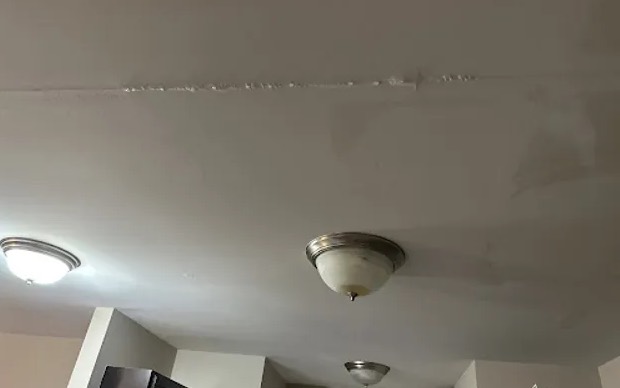
Expert Wall Mold Removal in Cypress, TX
Mold damaged paint removal is often necessary when spores penetrate painted surfaces in Cypress. Simply repainting over mold will trap moisture and lead to blistering and recurrent issues.
Wall Mold Removal services are essential for property integrity in Cypress. For bathroom wall mold cleanup or mold damaged paint removal, local mold removal pros apply IICRC-standard methods. They serve the area, including places like Jersey Village, Hockley and Tomball.
The Wall Mold Removal Process in Cypress
Black Mold Removal
Not all dark mold is toxic 'black mold,' but it should be treated with caution. The pros follow rigorous containment and removal procedures, treating the area with specialized antimicrobial solutions designed for challenging mold types.
Mold Spore Air Scrubbing
During mold removal, spores become airborne. The pros use industrial-grade air scrubbers with HEPA filters to continuously clean the air, capturing over 99.97% of particles to protect uncontaminated areas and improve indoor air quality.
Wallpaper Mold Remediation
Mold remediation behind wallpaper often means the wallpaper cannot be saved. The pros in Cypress focus on preserving the wall surface while completely removing the contaminated covering and adhesive.
Bathroom Wall Mold Cleanup
Mold on bathroom walls and ceilings requires a dual approach: remediation and prevention. The pros not only remove the existing growth but also recommend solutions like exhaust fan upgrades or dehumidifiers to control the damp environment.
Mold Damaged Paint Removal
Mold can grow on and behind painted surfaces. Removing mold-damaged paint involves scraping, sanding with HEPA-filtered equipment, and applying a mold-killing primer before repainting. This ensures the new paint adheres to a clean, stable surface.
Warning Signs You Need Wall Mold Remediation
Discolored Grout or Caulking
Black or pink stains in bathroom tile lines are often mold, signaling a need for bathroom wall mold cleanup.
Past Water Leak History
Any previous leak, even if dried, may have left moisture in wall cavities, leading to later mold issues.
Warped or Soft Drywall
Drywall that feels spongy or appears bulged suggests water damage and potential mold, requiring immediate drywall mold removal.
Deteriorating Wood Baseboards
Soft, crumbling wood trim adjacent to walls can indicate spreading moisture and mold, complicating the mold remediation process.
How Wall Mold Removal Works in Cypress
Step 1: Assessment and Moisture Mapping
The process starts by locating all moisture sources fueling the mold growth. This assessment determines the scope of work and potential wall mold removal cost.
Step 2: Black Mold Removal and Treatment
Using personal protective equipment, pros physically remove all mold-infested materials like drywall or wallpaper. Cavities are then treated with EPA-registered antimicrobial agents.
Step 3: Mold Spore Air Scrubbing
High-efficiency particulate air scrubbers and negative air machines are deployed to filter the air, removing mold spores and ensuring professional mold remediation standards.
Step 4: Drying and Prevention Advice
Affected areas are thoroughly dried using industrial equipment. Before leaving, pros may offer guidance on mold prevention treatments to reduce future risk.
Leading Causes of Indoor Mold Issues
Faulty or Clogged Gutters
Gutters that overflow can saturate exterior walls, allowing water to seep inside and cause mold on walls removal scenarios.
Flooding or Spill Oversights
Incomplete drying after any water event leaves moisture trapped behind drywall, creating a perfect habitat for toxic mold removal needs.
Condensation From Poor Insulation
Warm, moist air contacting cold exterior walls creates condensation inside, leading to mildew removal from walls being necessary.
Chronic High Indoor Humidity
Poor ventilation from showers or cooking raises humidity, allowing mold spores to settle and grow on cooler wall surfaces.
Wall Mold Removal for All Property Types
Residential Wall Mold Removal
Mold on interior walls in homes threatens structure and air quality. The experts conduct mold spore cleanup and drywall mold treatment to eliminate odors and visible growth.
Commercial Wall Mold Removal
Office buildings and schools need discreet, effective mold solutions. The approach combines moisture mapping, professional mold remediation of affected walls, and HVAC cleaning to ensure a safe environment.
Wall Mold Removal vs. Do-It-Yourself Cleaning
Improving ventilation with dehumidifiers and exhaust fans is a good preventative step any homeowner can take. If you already see stains or smell mold, contact the pros for a proper assessment.
What Influences Wall Mold Removal Cost in TX?
When considering mold on walls removal cost, the pros assess the need for procedures like negative air containment or HEPA air scrubbing. Bathroom wall mold cleanup may be less extensive than whole-room black mold removal.
Containment Requirements
Isolating the work area with plastic sheeting and negative air machines to prevent spore spread adds to the setup and equipment costs.
Accessibility Challenges
Mold in tight wall cavities or behind finished surfaces requires more time and careful demolition for proper access and treatment.
Post-Remediation Verification
A final mold inspection and testing by a third party to confirm successful cleanup is a common project closure step.
Does Insurance Cover Wall Mold Removal?
Insurance for mold remediation hinges on the policy's covered causes. Mold from a sudden pipe burst may be addressed. The pros provide damage documentation. Homeowners should submit this and confirm coverage with their insurer.
Why Cypress Homeowners Trust Mold Removal Pros
Detailed Documentation
Thorough notes, photos, and moisture maps are created for your records, which can be useful for personal reference or insurance.
IICRC-Standard Remediation Protocols
The work follows established industry standards for containment, removal, and cleaning to address mold at its source and prevent recurrence.
Source Identification Focus
Pros don't just clean visible mold; they diagnose and help address the moisture source to prevent future growth on walls.
24/7 Help for Severe Mold Issues
Urgent bathroom wall mold cleanup or other immediate mold emergencies get 24/7 assistance. Quick action prevents further damage. To schedule an emergency assessment, call the pros at (281) 717-6340 and discuss steps for containment and remediation.
Call Now (281) 717-6340Areas Served for Wall Mold Removal
Mold on walls is a concern in Harris County. Mold remediation services are available for Cypress, Cypress, and areas including Jersey Village, Hockley and Tomball.
Your Wall Mold Removal Questions Resolved
Why is mold spore air scrubbing necessary during remediation?
Air scrubbing with HEPA filters is critical to capture airborne mold spores stirred up during removal work, preventing them from settling and causing new growth in other areas of your home after the main cleanup.
How is bathroom wall mold cleanup different from other rooms?
Bathroom cleanup often focuses on non-porous surfaces like tile, requires addressing high humidity sources like poor ventilation, and may involve mold damaged paint removal or caulking replacement to create a moisture-resistant surface.
Is mold testing required before starting wall mold removal?
While not always required, a mold inspection and testing can identify the types of mold present and the spore count in the air, which helps in planning the appropriate remediation scope and safety measures.
How is mildew removal from walls different from mold removal?
Mildew is a surface mold that can often be cleaned with appropriate cleaners on non-porous surfaces. True mold removal implies deeper contamination requiring material removal and addressing the root moisture problem.
What is involved in wall cavity mold remediation?
This involves creating access to the cavity, often by removing drywall, inspecting and cleaning or removing insulation, treating the interior framing with antimicrobial solutions, and ensuring the space is completely dry before sealing it back up.