Dayton, TX · Liberty County
Water Damage Reconstruction in Dayton, TXCeiling Water Damage Cleanup & Structural Drying Services
Local Water Damage Reconstruction in Dayton involves water damaged floor removal, wet drywall removal and mold prevention after water damage.
Answered 24/7
Your Dayton Water Damage Reconstruction Professionals
In Dayton, waiting can turn a simple leak into a major renovation with more cost and disruption. The pros start extraction and drying.
In Dayton and nearby Liberty, Mont Belvieu and Crosby, the pros extract water, dry the structure and remove damaged floors and ceilings in order. Call (281) 717-6340 24/7 for water damage reconstruction in Dayton.
Water Damage Reconstruction Services in Dayton
Ceiling Water Damage Cleanup
Water stains on a ceiling indicate damage from above. The professionals address the leak source first, then cleanup.
Structural Drying Services
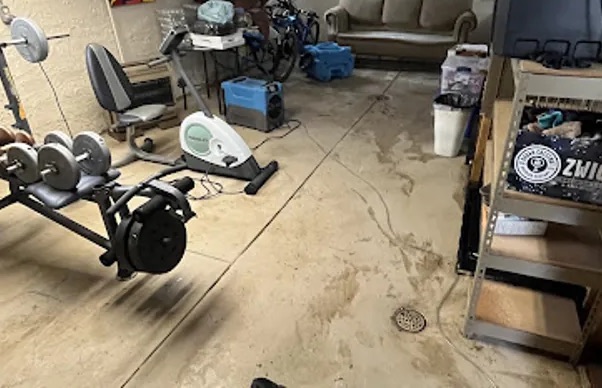
After extraction, professional structural drying removes moisture from building materials. The professionals place air movers and dehumidifiers strategically. They monitor wall and subfloor moisture daily.
Water Damage Reconstruction Services
Rebuilding covers carpentry, drywall and painting, done by the pros or their contractors so the repairs blend with the rest of the home.
Mold Prevention After Water Damage
Mold prevention starts with initial extraction and continues through drying. The professionals use dehumidifiers to reach a dry standard.
Emergency Water Extraction
The professionals begin with water extraction to remove standing water. They use powerful extractors on floors and carpets. This rapid action helps prevent secondary damage like swelling.
Do You Need Water Damage Reconstruction? Common Indicators
Malfunctioning Appliances Near Water Lines
Appliances like water heaters or washing machines that leak or show rust may cause surrounding floor and wall water damage.
Mold Growth on Surfaces
Black, green or white fuzzy patches mean moisture has stayed long enough for mold to grow.
Warped or Buckling Flooring Materials
Hardwood that cups or laminate that bubbles has absorbed water and may need to be removed.
Damp Drywall or Soft Spots
Walls that feel wet or soft to the touch have taken on water that weakens them.
How Water Damage Reconstruction Works in Dayton
Step 1: 24/7 Water Extraction Service
Emergency water damage services begin with extraction, using submersible pumps for large volumes and extractors for residual moisture on surfaces.
Step 2: Detailed Structural Drying Process
A strategic drying plan is executed, placing high-velocity air movers to evaporate moisture and dehumidifiers to remove it from the air.
Step 3: Sanitation and Odor Control
Affected areas are cleaned and sanitized to address contaminants and eliminate musty odors that follow water intrusion and flood cleanup.
Step 4: Complete Reconstruction Work
The final phase involves rebuilding with new materials, from drywall and paint to flooring, finishing the water damage repair process.
What Causes Water Damage Needing Reconstruction
Burst or Leaking Supply Lines
Failed pipes behind walls or under slabs can release hundreds of gallons before anyone notices.
Severe Weather and Flooding
Heavy rain, storm runoff and flash floods can overwhelm drainage and get inside.
HVAC System Condensation Issues
Clogged drain lines or malfunctioning air conditioner units can leak condensate, creating hidden moisture perfect for mold growth after water damage.
Roof Leaks and Compromised Shingles
Roofing damaged by age or storms lets water seep into attics and ceilings.
Residential and Commercial Water Damage Reconstruction in Dayton
Residential Water Damage Reconstruction
Attics and crawlspaces often hide moisture. The pros inspect them and dry and treat the materials to protect the home's air and structure.
Commercial Water Damage Reconstruction
In plants and storage buildings, pros use truck-mounted pumps and desiccant dehumidifiers to remove large volumes of water and dry the structure.
The Risks of DIY Water Damage Reconstruction in Dayton
You can clean a small spot of surface mold on a hard surface with a detergent solution. Do not try to clean large patches or mold inside walls, which need professional treatment.
Pricing for Water Damage Reconstruction in Dayton, Liberty County
The investment in water damage reconstruction for a home in Dayton varies. It's determined by how many rooms are impacted, the depth of water intrusion, and the necessary mold prevention steps.
Content Restoration Needs
The amount and type of belongings that need cleaning and restoring affect labor and time.
Emergency Service Timing
Initiating emergency water damage response during off-hours may influence service rates compared to scheduling during standard business hours.
Extent of Water Damage
The square footage and depth of saturation set the scope and length of extraction and drying.
Does Insurance Cover Water Damage Reconstruction?
Coverage for water damage restoration varies by policy and incident type. Emergency damage from an appliance failure differs from external flood cleanup. The professionals assist by creating a thorough damage record for the insurer.
Why Dayton Homeowners Trust Local Restoration Professionals
Methodical Moisture Monitoring
Ongoing moisture readings verify that drying goals are met, providing assurance that hidden dampness won't cause future problems.
24/7 Emergency Response
Help is available any time, so extraction can start before the damage spreads.
Comprehensive Damage Assessment
Moisture checks find every affected area, so the rebuild covers the full damage.
24/7 Emergency Water Damage Reconstruction in Dayton, TX
Flooding? Call (281) 717-6340 to start water extraction and drying in Dayton. The pros help day or night, every day.
Call Now (281) 717-6340Water Damage Reconstruction Near Dayton: Areas Served
From Dayton to Liberty, Mont Belvieu and Crosby, the pros handle water extraction, drying and rebuilding after leaks and floods.
- Water Damage Reconstruction in Liberty
- Water Damage Reconstruction in Mont Belvieu
- Water Damage Reconstruction in Crosby
- Water Damage Reconstruction in Barrett
- Water Damage Reconstruction in Atascocita
- Water Damage Reconstruction in Highlands
- Water Damage Reconstruction in Baytown
- Water Damage Reconstruction in Kingwood
- Emergency Damage Restoration in 77535
- Storm Damage Restoration in 77535
- Water Damage Restoration in 77535
- Water Extraction Service in 77535
- Water Leak Detection in 77535
- Water Removal Service in 77535
Water Damage Reconstruction FAQs
What methods are used to dry inside walls after water damage?
Drying inside walls involves creating ventilation by removing baseboards or drilling small holes, then inserting air movers and dehumidifiers to circulate dry air through the wall cavity.
What equipment is used for water removal?
The pros use submersible pumps for deep water, wet/dry vacuums for extraction, and truck-mounted units for large volumes to remove standing water from a property.
How long does structural drying typically take?
It depends on how wet the materials are, the humidity and the airflow. It usually takes several days, and readings confirm when it is done.
How is mold prevention handled after water damage?
Mold prevention involves rapid drying to eliminate moisture, application of EPA-registered antimicrobial agents to affected surfaces, and maintaining low humidity until reconstruction is finished.
What are the steps for ceiling water damage cleanup?
The source is stopped, water is extracted, sagging material is removed, the cavity is dried and then the ceiling is repaired.