Pasadena, TX · Harris County
Aquarium Leak Water Removal in Pasadena, TXAquarium Tank Sealant Repair & Aquarium Floor Drying
Aquarium Leak Water Removal in Pasadena runs from aquarium leak water extraction and aquarium floor drying to aquarium tank sealant repair checks.
Answered 24/7
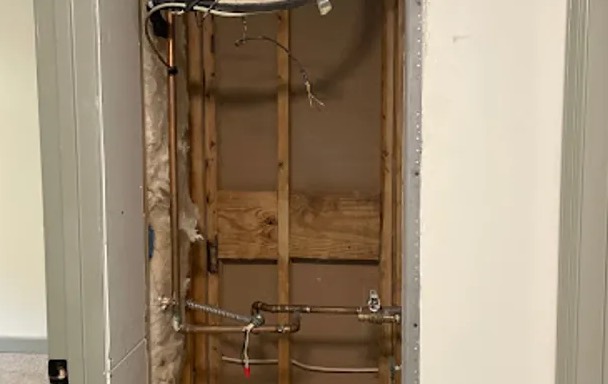
Aquarium Leak Water Removal Response in Pasadena
In Pasadena, aquarium leaks often show up as a dropping water level or a damp patch of carpet beside the stand. The stand itself may already be swelling at the base.
Homes in Pasadena and nearby South Houston, Galena Park and Deer Park keep everything from small freshwater tanks to large reef systems. Help with aquarium leak water removal covers extraction, floor and stand drying and saltwater cleanup when a tank leaks or breaks.
Comprehensive Aquarium Leak Water Removal in Pasadena
Aquarium Tank Sealant Repair
A leaking seam usually means the silicone has aged or separated. Until the tank is resealed or replaced, it should stay empty.
Aquarium Floor Drying
Air movers and dehumidifiers dry the floor around and under the tank. Moisture meters track the subfloor until readings are normal.
Aquarium Leak Water Extraction
Extraction starts around the stand and moves outward, following the water under baseboards and into nearby rooms.
Aquarium Moisture Inspection
Thermal cameras can show cool, wet areas under flooring and in walls that look dry on the surface.
Saltwater Tank Leak Cleanup
Saltwater spills are extracted and then cleaned with fresh water, since dried salt keeps absorbing moisture from the air.
Indicators for Aquarium Leak Water Removal in Pasadena
Mold Spots on Stand
Dark spots on the stand or the wall behind it mean the area has stayed damp for days.
Wet Baseboards or Walls
Baseboards or lower walls behind the tank that look stained or soft have been wet for some time.
Unexplained Water Level Drop
A water level that drops faster than normal evaporation often points to a slow leak.
Salt Residue on Surfaces
White, crusty salt deposits on the floor or stand point to a slow saltwater leak.
How Aquarium Leak Water Removal Works in Pasadena
Step 1: Leak Source Identification
The pros find whether the leak came from a seam, the glass, a fitting or the sump plumbing.
Step 2: Flood Water Removal
Water and debris are extracted from the room, and saltwater residue is rinsed from surfaces.
Step 3: Structural Drying Process
Drying equipment runs until the subfloor and lower walls reach normal moisture levels.
Step 4: Documentation for Insurance
Photos, readings and notes on the cause are recorded for a homeowner insurance claim.
Reasons for Aquarium Leak Water Removal in Pasadena
Saltwater Corrosion Damage
Saltwater corrodes metal stand parts and fittings, leading to failures and leaks.
Vibrations and Impacts
A bump during cleaning or a hard knock can crack glass that is already under pressure.
Overflowing Sump or Filter
A power outage or clogged return can overflow the sump or a hang-on filter onto the floor.
Temperature Stress on Glass
Sudden temperature changes, such as a failed heater, can stress glass and seals.
Residential and Commercial Aquarium Leak Water Removal in Pasadena
Residential Aquarium Leak Water Removal
For families, the first concern is often the fish. Livestock can be moved to a bucket or spare tank while the water is removed and the floor dried.
Commercial Aquarium Leak Water Removal
In medical and dental offices with display tanks, drying is planned around patient hours to keep the waiting room usable where possible.
Aquarium Leak Water Removal: Professional Help vs. DIY in Pasadena
For a small drip caught early, turning off pumps, lowering the water level and drying the floor with towels is a sensible start. Call local aquarium restoration pros if carpet, subfloor or walls got wet, or if the tank cracked.
Understanding Aquarium Leak Water Removal Cost in Pasadena
Tank resealing or replacement is priced separately by an aquarium specialist. Water removal and drying in Pasadena cover the room and floor.
Emergency Response Timing
Night, weekend and holiday calls can cost more than a scheduled visit.
Leak Duration
A slow leak that ran for weeks often soaks the subfloor more deeply than a sudden spill.
Aquarium Stand Damage
A stand that must be emptied, moved or replaced adds labor before the floor can dry.
Does Insurance Cover Aquarium Leak Water Removal?
Insurers often ask whether the tank failed suddenly or leaked slowly. Notes on where the leak started and how long it ran help answer that.
The Value of Aquarium Leak Water Removal Experts in Pasadena
Prevention of Mold
Fast extraction and drying are the main ways to limit microbial growth after a leak.
Aquarium Leak Experience
The pros know where tank water hides: under stands, behind baseboards and inside cabinets.
Detailed Moisture Inspection
Moisture meters check the floor, subfloor and walls around the tank for hidden water.
24/7 Aquarium Leak Water Removal Response in Pasadena
Water pooling under the stand? Call (281) 717-6340 now for aquarium leak water removal in Pasadena before it soaks the subfloor and the ceiling below.
Call Now (281) 717-6340Aquarium Leak Water Removal Near Pasadena: Areas Served
Aquarium leak extraction and floor drying also cover homes, offices and stores in South Houston, Galena Park and Deer Park, close to Pasadena.
- Aquarium Leak Water Removal in South Houston
- Aquarium Leak Water Removal in Galena Park
- Aquarium Leak Water Removal in Deer Park
- Aquarium Leak Water Removal in Jacinto City
- Aquarium Leak Water Removal in Cloverleaf
- Aquarium Leak Water Removal in Webster
- Aquarium Leak Water Removal in La Porte
- Aquarium Leak Water Removal in Morgan's Point
- Emergency Damage Restoration in 77501
- Storm Damage Restoration in 77501
- Water Damage Restoration in 77501
- Water Extraction Service in 77501
- Water Leak Detection in 77501
- Water Removal Service in 77501
- Emergency Damage Restoration in 77502
- Storm Damage Restoration in 77502
Aquarium Leak Water Removal Common Questions
Does saltwater from a tank leak need special cleanup?
Yes. Salt left behind keeps drawing moisture and can corrode metal, so floors and fixtures are rinsed and wiped after extraction.
How quickly should I respond to a fish tank water leak?
Right away. Water soaks into carpet pad and subfloor within hours, and a stand can swell and weaken under a full tank.
How can I prevent future aquarium leaks?
Use a level, solid stand, check seams and fittings regularly, and place a water leak sensor or drip tray under the stand.
What is involved in aquarium leak water removal?
Turning off tank equipment, extracting water from the floor and stand area, cleaning residue and drying the floor and walls until readings are normal.
What causes tank sealant failure in aquariums?
Age, stress from an uneven stand, temperature swings and physical bumps can all cause silicone seams to separate.