Katy, TX · Fort Bend County
Desiccant Dehumidification in Katy, TXWater Damage Dehumidification & Construction Drying Services
Property owners in Katy get Desiccant Dehumidification for water damage dehumidification, crawl space drying and flood drying services.
Answered 24/7
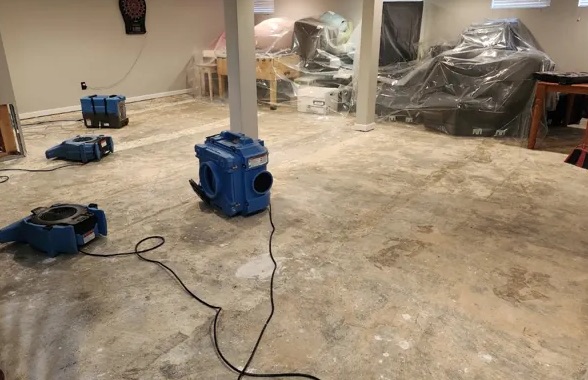
Desiccant Dehumidification: Moisture Control in Katy
Desiccant dehumidifiers dry air differently from the refrigerant units most people know. Instead of cooling air to condense water, they pass it over a material that absorbs moisture, which lets them keep working in cool spaces and reach very low humidity.
In Katy, Brookshire, Fulshear and Mission Bend, builders sometimes need slabs and drywall dried before flooring goes in. The pros lower humidity on the job site to speed that up.
Comprehensive Desiccant Dehumidification for Katy
Water Damage Dehumidification
Desiccant or refrigerant dehumidifiers are chosen based on the space, the temperature and how dry the air needs to get.
Construction Drying Services
Readings on slabs and framing show when materials are dry enough for the next stage of work.
Mold Prevention Drying
Drying continues until readings on the remaining framing are normal, before walls are closed up again.
Crawl Space Drying
Crawl spaces are cool and damp, which suits desiccant units. Dry air is pushed in to pull moisture from the joists and subfloor.
Emergency Dehumidification
Equipment is sized to the space on the first visit and adjusted each day based on readings.
Indicators for Desiccant Dehumidification in Your Katy Home
Wet Insulation in Attics or Walls
Insulation that is wet in attics or walls holds water against framing and slows drying.
Visible Condensation on Windows
Windows that fog or drip inside show the air holds too much moisture for materials to dry.
Peeling Paint or Wallpaper
Paint or wallpaper that peels after a leak has moisture behind it that has not dried.
Musty Smell in Stored Items
Boxes and fabrics that smell musty show the space has stayed damp too long.
How Desiccant Dehumidification Works in Katy
Step 1: Emergency Moisture Evaluation
The wet area is mapped and the right size and type of dehumidifier is chosen.
Step 2: High-Capacity Setup
Large desiccant units are placed for big spaces or cool areas where standard units struggle.
Step 3: Active Drying Cycle
Dry air is moved across wet materials, with daily readings to track progress.
Step 4: Completion and Insurance Records
Final readings and daily drying logs are compiled into a record for your insurer.
Common Causes for Desiccant Dehumidification in Katy
New Construction Moisture Trapped
New concrete, drywall mud and framing on job sites hold moisture until they are dried.
Plumbing Leaks or Pipe Bursts
Burst pipes and leaking supply lines soak walls and floors that then need drying.
Foundation Cracks and Seepage
Foundation cracks let groundwater seep into lower levels, keeping walls and floors damp.
Appliance Malfunctions and Overflows
Washers, dishwashers and water heaters that leak leave wet floors, cabinets and walls.
Residential and Commercial Desiccant Dehumidification in Katy
Residential Desiccant Dehumidification
Homes with wet attics after roof leaks may need attic drying equipment placed carefully on boards for safe footing.
Commercial Desiccant Dehumidification
Schools, offices and medical buildings may schedule equipment setup and removal after hours to limit disruption to staff and visitors.
Desiccant Dehumidification vs. DIY: When to Call the Pros
Do not run drying equipment on materials soaked by sewage or floodwater before they are cleaned or removed, since that spreads contamination through the house.
Understanding Desiccant Dehumidification Expenses in Katy
Large commercial buildings and construction sites in Katy may need high-capacity units and ducting, which affects the total.
Time of Response
Night, weekend and holiday setup can cost more than a scheduled weekday visit.
Additional Restoration Steps
Extraction, material removal and cleaning before drying are separate steps that add to the total.
Number of Dehumidifiers
The number and size of dehumidifiers needed for the space is a major part of the cost.
Does Insurance Cover Desiccant Dehumidification?
Photograph wet areas before drying begins and keep receipts for emergency extraction, drying equipment and any hotel stay during the work.
Why Choose Local Pros for Desiccant Dehumidification in Katy
Industry Drying Standards
Drying follows industry water damage standards, with readings taken at every visit.
Prevention of Mold
Fast, complete drying is one of the main ways to keep mold from starting after water damage.
Desiccant Equipment
Desiccant units are used where they fit, such as cool spaces, crawl spaces and large buildings.
24/7 Desiccant Dehumidification for Katy Emergencies
Night, weekend or holiday, local drying pros set up drying equipment in Katy. Call (281) 717-6340 any time to get drying started.
Call Now (281) 717-6340Desiccant Dehumidification Coverage for Katy and Beyond
Help with desiccant dehumidification reaches Brookshire, Fulshear and Mission Bend, plus other communities around Katy, for houses, apartments and large buildings.
- Desiccant Dehumidification in Brookshire
- Desiccant Dehumidification in Fulshear
- Desiccant Dehumidification in Mission Bend
- Desiccant Dehumidification in Pecan Grove
- Desiccant Dehumidification in Four Corners
- Desiccant Dehumidification in Richmond
- Desiccant Dehumidification in Jersey Village
- Desiccant Dehumidification in Sugar Land
- Emergency Damage Restoration in 77449
- Storm Damage Restoration in 77449
- Water Damage Restoration in 77449
- Water Extraction Service in 77449
- Water Leak Detection in 77449
- Water Removal Service in 77449
- Emergency Damage Restoration in 77450
- Storm Damage Restoration in 77450
Answers to Top Desiccant Dehumidification Queries
Can desiccant dehumidification dry behind walls?
Dry air helps, especially when directed into wall cavities through small openings, with readings to confirm results.
How is emergency dehumidification different from standard service?
It starts right after a leak or flood, any time of day, so materials do not keep soaking up moisture.
What is the goal of flood drying services?
To remove the moisture left after floodwater is pumped out so the building can be cleaned and repaired.
How does a desiccant dehumidifier work differently?
It passes air over a material that absorbs moisture instead of cooling the air, so it keeps working in cool conditions.
What equipment is used for commercial building drying?
High-capacity desiccant or refrigerant dehumidifiers, air movers, moisture meters and sometimes ducting to direct dry air.