Mission Bend, TX · Fort Bend County
Emergency Water Extraction in Mission Bend, TXCarpet Water Extraction Services & Sewage Backup Cleanup
Emergency Water Extraction in Mission Bend runs from standing water removal and emergency flood water extraction to wet drywall water removal.
Answered 24/7
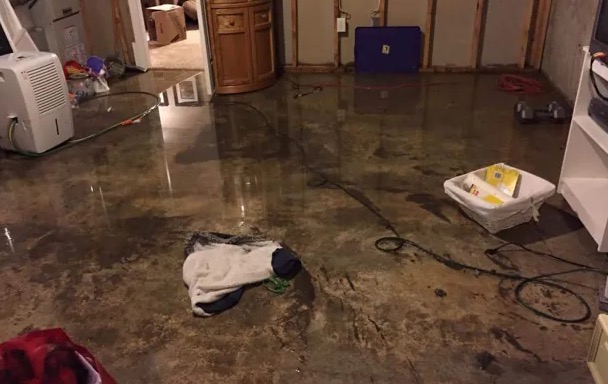
Emergency Water Extraction for Mission Bend Homes and Businesses
Emergency Water Extraction in Mission Bend comes with a record. Photos of the water, the source and the damage are taken from the start, along with moisture readings and daily drying logs.
In Mission Bend, emergency extraction calls come at all hours. Local water damage pros serve Mission Bend, Four Corners, Sugar Land and Meadows Place, pumping standing water and extracting carpet and floors as soon as the source is off.
Complete Emergency Water Extraction Solutions for Mission Bend
Carpet Water Extraction Services
Carpet wet from clean water and extracted quickly can often be dried and kept, which saves the cost of new carpet.
Sewage Backup Cleanup
After a sewage backup, soaked porous materials are removed and hard surfaces are disinfected before drying begins.
Burst Pipe Water Extraction
Water from a burst pipe is extracted as soon as the main is shut off, starting with the rooms where it is deepest.
Emergency Flood Water Extraction
Pumping starts at the lowest point of the flooded area and continues until no standing water remains anywhere inside.
Emergency Water Damage Cleanup
Wet rugs, boxes and debris are cleared, and surfaces touched by dirty water are cleaned before drying starts.
Red Flags for Water Damage in Mission Bend
Mold or Mildew
Dark spots on walls, baseboards or carpet backing mean an area has stayed wet for days.
Musty or Damp Odors
A damp or musty smell after a leak means water is still trapped in carpet, walls or subfloor.
Swollen Doors or Cabinets
Doors that stick or cabinets that swell near a leak have soaked up water.
Buckling Hardwood Floors
Hardwood that cups or buckles has absorbed water from a leak above or below it.
How Emergency Water Extraction Works in Mission Bend
Step 1: Initial Water Damage Evaluation
Meters and thermal cameras show how far the water spread beyond what is visible.
Step 2: Standing Water Removal
Standing water is pumped out, and wet debris and soaked materials are cleared away.
Step 3: Structural Drying and Air Scrubbing
Drying equipment runs continuously, and air scrubbers filter dust from any removal work.
Step 4: Claim-Ready Damage Reporting
Photos, readings, removal lists and drying logs are organized into a report for the adjuster.
Typical Reasons for Emergency Water Extraction in Mission Bend
Sewage System Backup
A blocked sewer line pushes wastewater up through floor drains, tubs and toilets.
Human Error or Accidental Spills
Tubs and sinks left running, and other everyday accidents, can flood rooms and the floor below.
Natural Disaster Related Intrusion
Hurricanes and tropical storms bring wind-driven rain and storm surge into buildings.
Severe Weather and Flooding
Heavy storms and flooding push water into homes and businesses through doors, walls and roofs.
Residential and Commercial Emergency Water Extraction in Mission Bend
Residential Emergency Water Extraction
Families often want to save carpet and flooring. Fast extraction of clean water makes that possible in many cases.
Commercial Emergency Water Extraction
Property managers with several units get separate extraction and drying records, with photos, for each affected unit or suite.
When to Hire Local Pros for Emergency Water Extraction in Mission Bend
Shutting off the main water, turning off power to wet rooms and moving belongings are the right first steps. Call the pros as soon as water has reached carpet, walls or more than one room.
Understanding Emergency Water Extraction Cost in Mission Bend
Sewage, floodwater and deep standing water in Mission Bend cost more to extract than a clean water leak on one floor.
Affected Square Footage
More square feet of wet flooring and walls means more extraction and more drying equipment.
Contents and Materials
Furniture, belongings and stock that must be moved or protected add labor to the job.
Required Drying Time
Drying usually takes several days, and each extra day of equipment adds to the total.
Does Insurance Cover Emergency Water Extraction?
Photos, moisture readings and drying logs from the pros help support an insurance claim for emergency water damage in Mission Bend.
Benefits of Local Emergency Water Extraction in Mission Bend
Clear Communication
You get plain updates on what was extracted, what was removed and how drying is going.
Contained Removal
Wet drywall and flooring are removed inside plastic containment to keep dust out of clean rooms.
Carpet Extraction
Weighted tools press water out of carpet and pad, giving the carpet a good chance of being saved.
Always-Available Emergency Water Extraction for Mission Bend
Water spreading in Mission Bend? Shut off the main, turn off power to wet rooms if safe and call (281) 717-6340. Emergency extraction is available 24/7.
Call Now (281) 717-6340Emergency Water Extraction in Mission Bend and Other Areas Served
The places below are also served, and each one has its own page.
- Emergency Water Extraction in Four Corners
- Emergency Water Extraction in Sugar Land
- Emergency Water Extraction in Meadows Place
- Emergency Water Extraction in Pecan Grove
- Emergency Water Extraction in Stafford
- Emergency Water Extraction in Prairie View
- Emergency Water Extraction in Spring
- Emergency Water Extraction in Brookshire
Emergency Water Extraction FAQ Guide
What happens after the water is extracted?
Moisture readings show what is still wet, materials that cannot be saved are removed and drying equipment runs for several days.
What is emergency water extraction?
Removing standing water from a home or business right away after a leak, flood or backup, using pumps and extractors, then starting drying.
How is wet drywall handled during water removal?
Lightly damp drywall is dried through small holes near the base. Soaked drywall is cut out so the cavity can dry.
What is moisture inspection and why is it needed?
Checking walls, floors and ceilings with meters and thermal cameras to find water that is not visible after extraction.
What follows the initial emergency water extraction?
Structural drying with air movers and dehumidifiers, daily readings and repairs once the building is dry.