Fire Sprinkler Discharge Water Removal in Rosenberg, TX: A Seasonal Risk for Homeowners
In the hot Texas summers, Rosenberg, TX can experience severe thunderstorms that cause unexpected power outages. When the lights go out, your home’s fire sprinkler system may activate, leading to a messy and potentially costly Fire Sprinkler Discharge Water Removal. You’ll need to act quickly to prevent further damage and reduce the risk of mold growth. Our team has seen it happen, and we’re here to help you prevent and respond to this seasonal risk.
Our team has helped over 165 homeowners in the area recover from Fire Sprinkler Discharge Water Removal. We understand the stress and uncertainty that comes with dealing with water damage, which is why we offer a comprehensive and personalized approach to ensure your property is restored to its pre-loss condition.
- Our team arrives quickly to assess the damage and start the removal process, reducing further damage to your property.
- We use advanced equipment and techniques to extract water and dry out your home, preventing mold growth and further damage.
- We work closely with your insurance provider to ensure a smooth claims process and increase your coverage.
How Our Fire Sprinkler Discharge Water Removal Process Actually Works
When you call us for Fire Sprinkler Discharge Water Removal, our team will arrive within 60 minutes to assess the damage and start the removal process. We’ll use advanced equipment to extract water and dry out your home, preventing further damage and mold growth. Our technicians are IICRC certified and have the expertise to handle even the toughest water damage jobs.
Step 1: Assessment and Planning
Our team will assess the damage and create a customized plan to remove the water and dry out your home. We’ll identify the source of the water and take steps to prevent further damage.
Step 2: Water Extraction
We’ll use advanced equipment to extract the water from your home, including powerful pumps and wet vacuums. Our team will work efficiently to reduce the disruption to your daily life.
Step 3: Drying and Dehumidification
We’ll use specialized equipment to dry out your home, including dehumidifiers and air movers. Our team will work to prevent mold growth and further damage.
Step 4: Cleaning and Sanitizing
Once the water and moisture have been removed, our team will clean and sanitize your home to prevent the growth of mold and bacteria.
Step 5: Final Inspection and Completion
Our team will conduct a final inspection to ensure your home is dry and free from damage. We’ll make any necessary repairs and provide you with a comprehensive report detailing the work we’ve done.
Don’t wait, call us today to schedule your Fire Sprinkler Discharge Water Removal service and get back to normal life quickly.
Warning Signs You Need Fire Sprinkler Discharge Water Removal
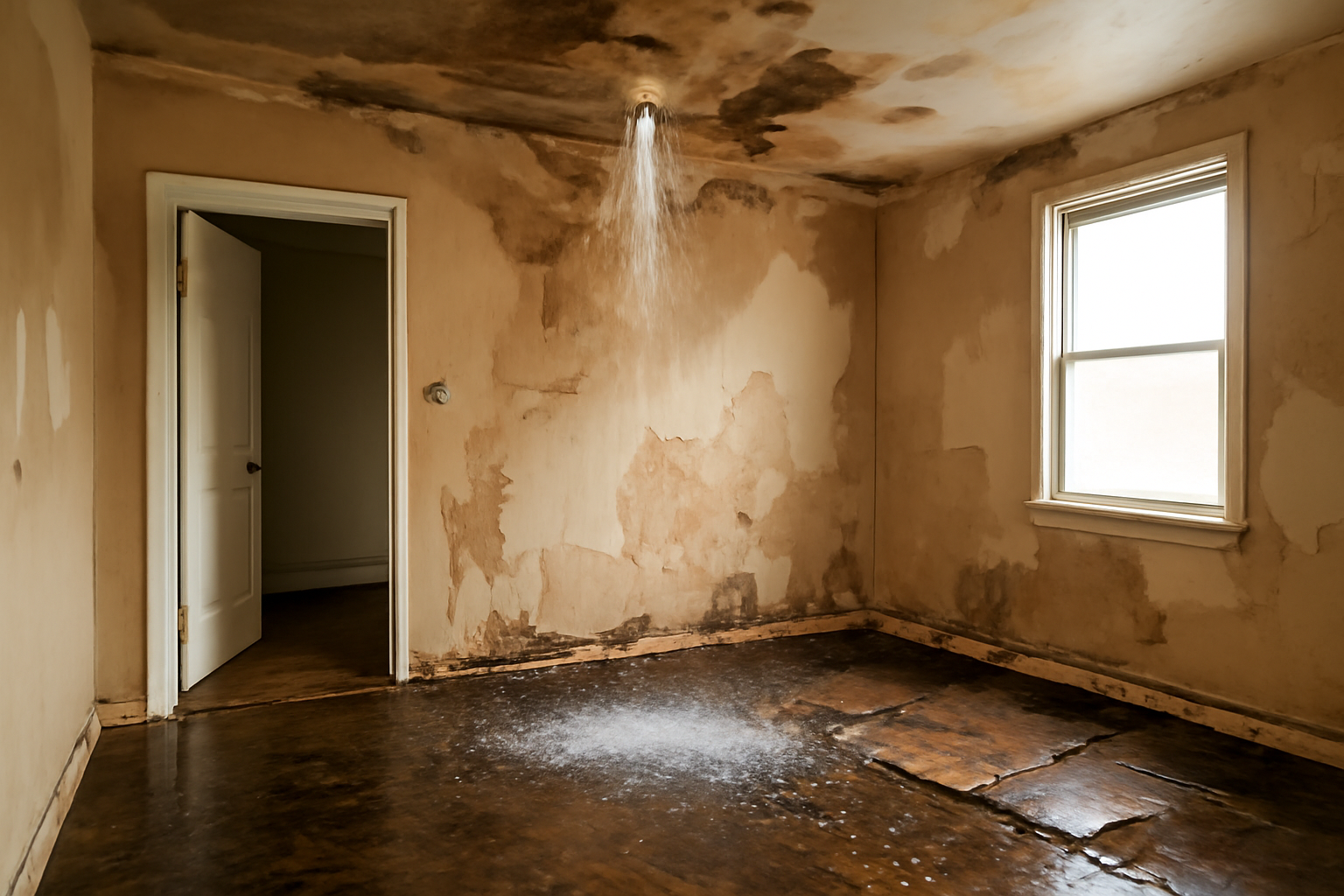
Ignoring the warning signs of Fire Sprinkler Discharge Water Removal can lead to costly repairs and health risks. Here are some common signs to look out for:
Musty Odors That Won’t Go Away
Strong musty odors can show the presence of mold and mildew. If you notice a persistent smell in your home, it’s time to call us for Fire Sprinkler Discharge Water Removal.
Warped or Buckled Flooring
Water damage can cause your flooring to warp or buckle. If you notice any changes in your flooring, it’s essential to act quickly to prevent further damage.
Peeling Paint or Wallpaper
Water damage can cause paint and wallpaper to peel or bubble. If you notice any changes in your walls or ceilings, it’s time to call us for Fire Sprinkler Discharge Water Removal.
Discolored or Stained Ceilings
Water damage can cause your ceilings to discolor or stain. If you notice any changes in your ceilings, it’s essential to act quickly to prevent further damage.
Water Stains on Walls or Ceilings
Water stains can show the presence of water damage. If you notice any water stains on your walls or ceilings, it’s time to call us for Fire Sprinkler Discharge Water Removal.
Unusual Sounds or Leaks
Unusual sounds or leaks can show a problem with your fire sprinkler system. If you notice any unusual sounds or leaks, it’s essential to act quickly to prevent further damage.
Fire Sprinkler Discharge Water Removal vs. DIY: When To Call a Professional
| Situation | DIY? | Call a Pro? | Why |
|---|---|---|---|
| Small water spill (less than 100 sq. Ft.) | Yes | No | You can clean up the spill yourself and prevent further damage. |
| Large water spill (over 100 sq. Ft.) | No | Yes | You’ll need professional equipment and expertise to extract the water and dry out your home. |
| Water damage from a fire sprinkler system | No | Yes | Fire sprinkler systems need specialized equipment and expertise to remove the water and prevent further damage. |
| Water damage with mold growth | No | Yes | Mold growth needs specialized equipment and expertise to remove and prevent further growth. |
| Water damage with structural damage | No | Yes | Structural damage needs professional expertise to repair and prevent further damage. |
Don’t risk further damage or health risks by trying to handle Fire Sprinkler Discharge Water Removal yourself. Call us today to schedule your service and get back to normal life quickly.
Fire Sprinkler Discharge Water Removal Cost In Rosenberg, TX
The cost of Fire Sprinkler Discharge Water Removal in Rosenberg, TX can vary depending on the severity of the damage, the size of the affected area, and local conditions. Our team will provide you with a free estimate and help you navigate the claims process with your insurance provider.
| Service | Typical Price Range | What Affects Cost |
|---|---|---|
| Water extraction | $500 – $2,500 | Size of the affected area and type of equipment needed |
| Drying and dehumidification | $1,000 – $5,000 | Size of the affected area and type of equipment needed |
| Cleaning and sanitizing | $500 – $2,000 | Size of the affected area and type of equipment needed |
| Final inspection and completion | $500 – $1,000 | Size of the affected area and type of equipment needed |
Exact pricing will depend on an on-site assessment, and we offer free estimates to help you plan and budget for your Fire Sprinkler Discharge Water Removal service.
Service Areas Near Rosenberg, TX
We serve the following nearby communities: Alvin, Angleton, Baytown, Channelview, Clear Lake, Clute, Deer Park, Dickinson, Freeport, Friendswood, Galveston, Hitchcock, La Marque, League City, Manvel, Pearland, Pasadena, Santa Fe, Seabrook, South Houston, Texas City, Webster.
Common Questions About Fire Sprinkler Discharge Water Removal
Q: What causes Fire Sprinkler Discharge Water Removal?
A: Fire sprinkler systems can activate due to power outages, mechanical failures, or human error. Our team has seen it happen, and we’re here to help you prevent and respond to this seasonal risk. We’ll use advanced equipment and techniques to extract water and dry out your home, preventing further damage and mold growth.
Q: How long does Fire Sprinkler Discharge Water Removal take?
A: The length of time it takes to complete Fire Sprinkler Discharge Water Removal depends on the severity of the damage, the size of the affected area, and local conditions. Our team will provide you with a free estimate and help you plan and budget for your service.
Q: Is Fire Sprinkler Discharge Water Removal covered by insurance?
A: Yes, Fire Sprinkler Discharge Water Removal is typically covered by insurance. Our team will work closely with your insurance provider to ensure a smooth claims process and increase your coverage.
Q: Can I do Fire Sprinkler Discharge Water Removal myself?
A: No, Fire Sprinkler Discharge Water Removal needs specialized equipment and expertise to extract the water and prevent further damage. Our team has the training and experience to handle even the toughest water damage jobs.
Q: How can I prevent Fire Sprinkler Discharge Water Removal?
A: You can prevent Fire Sprinkler Discharge Water Removal by regularly inspecting and maintaining your fire sprinkler system, ensuring it’s properly installed and functioning correctly. Our team can help you identify potential issues and provide recommendations for prevention and maintenance.