Crosby, TX · Harris County
HVAC Leak Water Removal in Crosby, TXAC Condensate Leak Water Removal & Emergency HVAC Leak Cleanup
HVAC Leak Water Removal in Crosby covers AC condensate leak water removal, HVAC cabinet water extraction, and emergency HVAC leak cleanup.
Answered 24/7
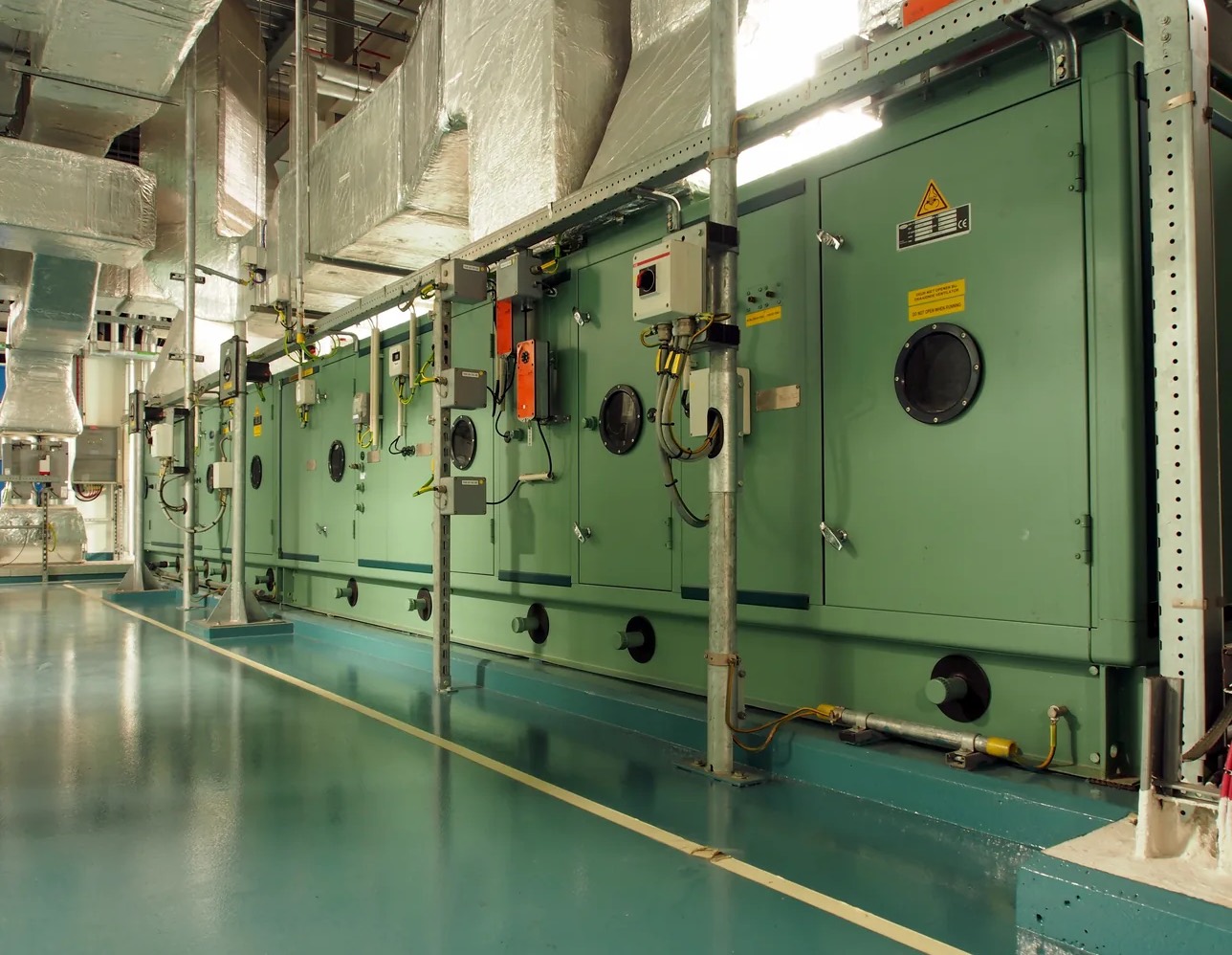
Local HVAC Leak Water Removal for Crosby, Texas
A leaking AC unit in Crosby can fill the air handler cabinet and spill onto the floor around it. Water near wiring is a shock risk, so the power should be off before anyone works there.
When an HVAC leak occurs in Crosby, water needs to come out quickly to protect interior finishes and electrical systems. Local water removal pros serve this community and nearby areas like Barrett, Sheldon and Highlands, extracting water around the unit and drying wet ductwork before damage spreads.
Specialized HVAC Leak Water Removal Services in Crosby
AC Condensate Leak Water Removal
A clogged AC condensate line leaks water around the indoor unit. The pros extract the pool to protect flooring and the system.
Emergency HVAC Leak Cleanup
An overflowing secondary pan or a broken drain line needs cleanup right away. The pros mobilize to extract water and assess electrical safety.
Moisture Remediation for HVAC Systems
After the water is out, the air in the room is still damp. Dehumidifiers run until humidity is back to normal, which lowers the risk of mold.
HVAC Drain Line Flood Cleanup
When a drain line fails over a concrete utility slab, extractors remove the water and the slab and wall bases are dried.
Ductwork Condensation Water Removal
Condensation on ductwork in a crawlspace creates a damp, mold-conducive environment. Cleanup requires removing moisture from ducts and the space.
Signs You Require HVAC Leak Water Removal in Crosby
Visible Rust on Metal Components
Rust forming on the evaporator coil cabinet, drain pan, or supports indicates prolonged moisture exposure.
Water Damage to Flooring
Warped laminate, cupped hardwood or soaked carpet near the HVAC unit shows the leak has reached the floor.
Musty Odors Near Air Vents
A musty smell when the system runs can point to wet insulation or mold inside the unit or ducts.
Condensation Dripping From Ducts
Water droplets or streaks on metal ductwork mean the ducts are sweating, and the water is landing somewhere below.
How HVAC Leak Water Removal Works in Crosby
Step 1: Water Removal Initiation
The pros use pumps and wet vacuums to remove the bulk water from a flooded drain line area.
Step 2: Detailed Moisture Detection
Meters and thermal cameras check concealed spaces so no wet spot behind a wall or above a ceiling is missed.
Step 3: Controlled Drying Environment
Professionals create a controlled environment with dehumidifiers and air movers to dry wet ductwork, insulation and building materials.
Step 4: Final Clearance and Prevention Advice
A final check confirms everything is dry, and you get tips on keeping the condensate drain clear.
Frequent Sources of HVAC Leak Water Damage in Crosby
Refrigerant Leak at the Coil
A pinhole leak in the evaporator coil itself can allow refrigerant and moisture to escape simultaneously.
Improper HVAC System Slope
An air handler or drain line installed without correct pitch prevents gravity-driven water flow to the drain.
High Static Pressure in Ducts
An oversized system or closed vents can upset airflow and drainage, so condensate does not drain as it should.
Worn Gaskets or Seal Failures
Worn seals around access panels or coil sections let water escape the cabinet instead of reaching the pan.
HVAC Leak Water Removal for All Properties in Crosby
Residential HVAC Leak Water Removal
In homes, an HVAC leak usually wets the ceiling under an attic unit or the walls and floor around the air handler closet. Wet insulation near the unit is removed so it does not hold water.
Commercial HVAC Leak Water Removal
In stores, offices and warehouses, leaks come from large air handlers, VAV boxes and ducts above the ceiling. The water is removed fast so the space can reopen.
HVAC Leak Water Removal: DIY or Call Water Damage Pros in Crosby
After ensuring power is off, you can use a wet-dry vacuum on visible standing water near a leaking AC unit. Be cautious of electrical hazards. You can also set up fans to aid surface drying. Do not remove wet insulation or open sealed ductwork.
HVAC Leak Water Removal Pricing Considerations in Crosby
The cost of HVAC leak cleanup depends on how easy the unit and ducts are to reach. The amount of wet insulation that has to come out is one of the biggest factors.
Extent of Water Spread
Water from a leaking AC can travel along ducts and inside walls, which makes the drying area larger.
Leak Source and Severity
Whether the leak came from a drain line, the coil or the pan changes how much water there is and where it went.
Drying Time and Equipment
The number of days ducts and materials take to dry decides how long the dehumidifiers run.
Does Insurance Cover HVAC Leak Water Removal?
Policies often cover damage from a sudden leak but not wear and tear or a drain that was never cleaned. Photos and drying records help your adjuster review the claim.
Benefits of Local Pros for HVAC Leak Water Removal in Crosby
Containment and Air Filtration
The work area can be closed off so dust and moist air do not spread while wet materials are removed.
Structured Dehumidification Strategy
Air movers and dehumidifiers are placed to dry the cabinet area and nearby walls without blowing water further.
Focused on System Integrity
The goal is a dry unit area and dry materials around it, so the system can run safely again.
Emergency HVAC Leak Water Removal for Crosby Properties
Water flowing from your HVAC system requires fast action to prevent costly secondary damage. For emergency HVAC water extraction in Crosby, call (281) 717-6340 anytime.
Call Now (281) 717-6340HVAC Leak Water Removal Coverage for Crosby, Barrett, Sheldon and Highlands
Help with HVAC leak water removal is available in Crosby and nearby Barrett, Sheldon and Highlands, for water from AC units, drain lines and ducts.
- HVAC Leak Water Removal in Barrett
- HVAC Leak Water Removal in Sheldon
- HVAC Leak Water Removal in Highlands
- HVAC Leak Water Removal in Atascocita
- HVAC Leak Water Removal in Channelview
- HVAC Leak Water Removal in Mont Belvieu
- HVAC Leak Water Removal in Humble
- HVAC Leak Water Removal in Dayton
- Emergency Damage Restoration in 77532
- Storm Damage Restoration in 77532
- Water Damage Restoration in 77532
- Water Extraction Service in 77532
- Water Leak Detection in 77532
- Water Removal Service in 77532
HVAC Leak Water Removal FAQ for Crosby Homeowners
After HVAC system water cleanup, what repairs are needed?
Beyond drying, repairs might include unclogging or replacing a drain line, replacing wet insulation, and servicing the HVAC unit.
What's the difference between water extraction and drying?
Extraction removes the liquid water. Drying uses dehumidifiers and air movers to pull out the moisture left in insulation, drywall and wood.
What is involved in HVAC leak water removal?
Stopping the leak, extracting standing water, drying the ducts, cabinet area, walls and floor, and checking for hidden moisture with meters.
What causes an HVAC drain line to flood?
Algae, sludge or debris clog the condensate drain and the pan overflows. A disconnected or cracked drain line can also send water onto the floor.
Why is quick action critical for a flooded HVAC unit?
Water can damage the unit's wiring, rust metal parts and soak into walls and floors, which makes repairs larger and more expensive.