Dayton, TX · Liberty County
HVAC Leak Water Removal in Dayton, TXWet Insulation Removal Near HVAC & HVAC Cabinet Water Extraction
HVAC Leak Water Removal in Dayton handles coil leak water damage repair, HVAC drain line flood cleanup and moisture remediation for HVAC systems.
Answered 24/7
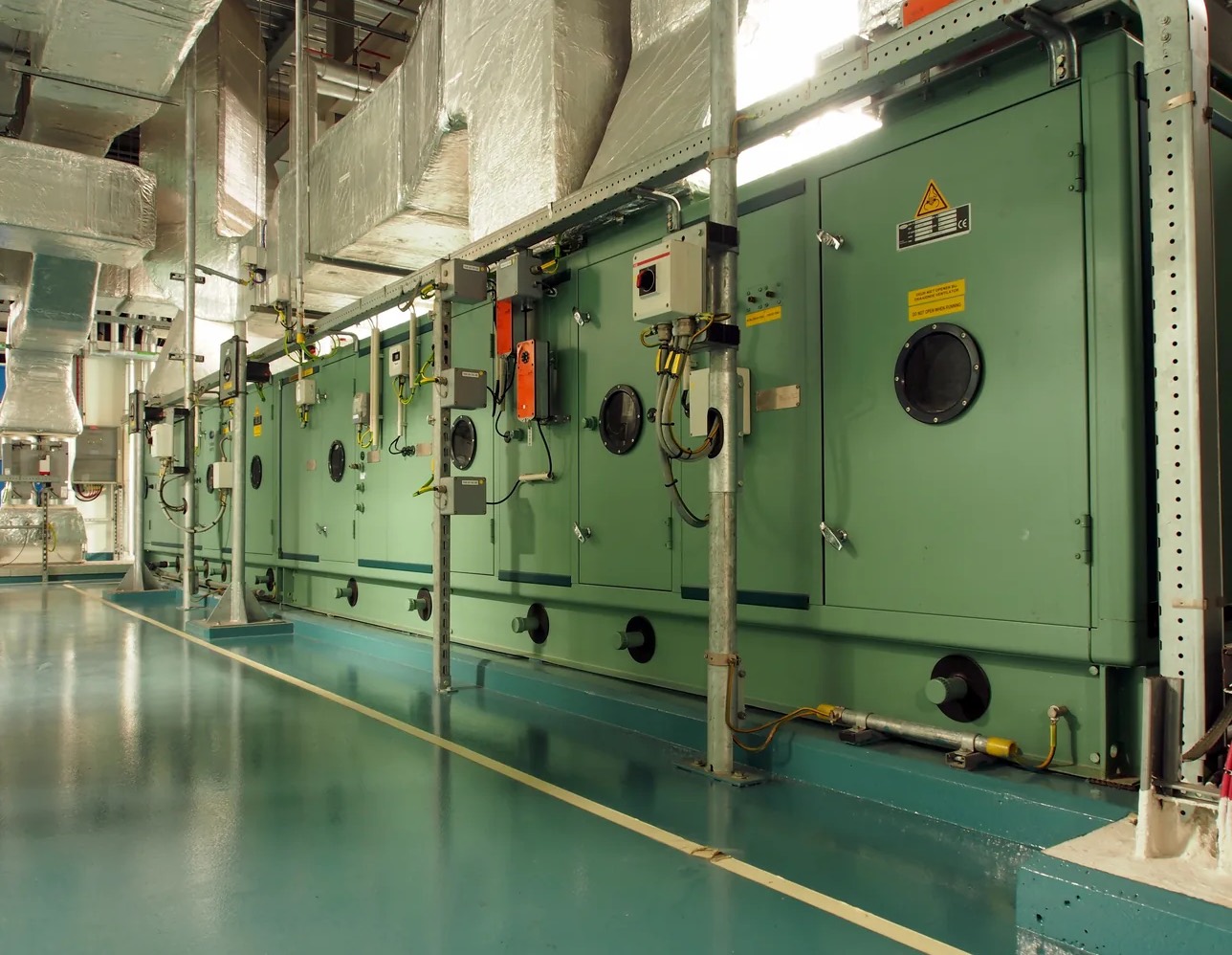
Professional HVAC Leak Water Removal in Dayton, TX
An HVAC leak in Dayton rarely stays at the unit. Water runs out of the pan, across the closet floor and under walls, and attic units drip straight through the ceiling below.
When an HVAC leak occurs in Dayton, water needs to come out quickly to protect interior finishes and electrical systems. Local water removal pros serve this community and nearby areas like Liberty, Mont Belvieu and Crosby, extracting water around the unit and drying wet ductwork before damage spreads.
HVAC Leak Water Removal Service Details in Dayton
Wet Insulation Removal Near HVAC
Soggy insulation in a mechanical closet or crawlspace is a health concern. Local water damage pros remove it as part of restoration.
HVAC Cabinet Water Extraction
A leak from a coil or connection fills the air handler cabinet bottom. Extraction experts remove this water to prevent mold inside ducts.
HVAC Drain Line Flood Cleanup
When a drain line fails over a concrete utility slab, extractors remove the water and the slab and wall bases are dried.
AC Condensate Leak Water Removal
A failing condensate pump or disconnected line can flood a mechanical closet. This requires urgent HVAC leak water removal.
Coil Leak Water Damage Repair
A pinhole coil leak causes slow, persistent water damage, warping flooring over time. Repair involves water extraction, drying, and addressing damaged subfloor.
Warning Signs You Need HVAC Leak Water Removal
Water Damage to Flooring
Warped laminate, cupped hardwood or soaked carpet near the HVAC unit shows the leak has reached the floor.
Reduced Cooling or System Shutdown
An AC that shuts itself off may have a float switch that tripped because the drain pan is full of water.
Condensation Dripping From Ducts
Water droplets or streaks on metal ductwork mean the ducts are sweating, and the water is landing somewhere below.
Unusual Sounds From the AC Unit
Gurgling, dripping, or hissing noises from the indoor unit frequently accompany a condensate drainage failure.
How HVAC Leak Water Removal Works in Dayton
Step 1: Water Containment
The leak is contained first, then extractors pull water out of the HVAC cabinet and off the floor around it.
Step 2: HVAC Component Damage Evaluation
Wet parts like the drain pan, coil area and controls are noted so an HVAC contractor knows what to check or replace.
Step 3: Structural Drying Protocol
Drying equipment targets wet walls, subfloor and insulation near the unit so damage does not spread.
Step 4: Air Quality Sanitization
Once everything is dry, the cabinet area and nearby surfaces are cleaned to remove odor and residue.
What Causes HVAC Leaks Needing Water Removal in Dayton
Excessive Ductwork Condensation
Poorly insulated ducts in humid spaces sweat and drip water into walls, ceilings and insulation.
High Static Pressure in Ducts
An oversized system or closed vents can upset airflow and drainage, so condensate does not drain as it should.
Worn Gaskets or Seal Failures
Worn seals around access panels or coil sections let water escape the cabinet instead of reaching the pan.
Improper HVAC System Slope
An air handler or drain line installed without correct pitch prevents gravity-driven water flow to the drain.
Residential and Commercial HVAC Leak Water Removal in Dayton
Residential HVAC Leak Water Removal
In homes, an AC condensate leak can rot subfloor and baseboards if it is left. The pros dry the tight spaces around the unit and record the damage for insurance.
Commercial HVAC Leak Water Removal
A flooded HVAC unit in a commercial building needs a coordinated response. The pros manage large-volume extraction, coordinate with facility managers, and implement drying protocols.
When DIY Fails for HVAC Leak Water Removal in Dayton
If you find an HVAC leak, turn off the system at the thermostat and the breaker. Put towels down and move belongings away from the drip. Wiping up a little condensation is fine, but standing water or wet drywall needs drying equipment.
Understanding HVAC Leak Water Removal Costs in Dayton
The cost of HVAC leak cleanup depends on how easy the unit and ducts are to reach. The amount of wet insulation that has to come out is one of the biggest factors.
Drying Time and Equipment
The number of days ducts and materials take to dry decides how long the dehumidifiers run.
Affected Components and Materials
Wet insulation, damaged ductwork or wiring near the flooded unit each add work to the job.
Emergency Service Timing
HVAC leak cleanup started at night, on weekends or on holidays may be billed at a different rate.
Does Insurance Cover HVAC Leak Water Removal?
Policies often cover damage from a sudden leak but not wear and tear or a drain that was never cleaned. Photos and drying records help your adjuster review the claim.
Reasons to Hire Local Pros for HVAC Leak Water Removal in Dayton
Comprehensive Leak Source Identification
The pros trace the water to the drain line, coil or pan, so the right trade can fix the cause.
24/7 Emergency Response
Getting to a leaking AC early limits how far water spreads and how much it rusts parts in the unit.
Structured Dehumidification Strategy
Air movers and dehumidifiers are placed to dry the cabinet area and nearby walls without blowing water further.
24/7 Emergency HVAC Leak Water Removal in Dayton
Water damaged HVAC components risk mold and system failure. For HVAC leak water removal in Dayton, call (281) 717-6340 at any hour.
Call Now (281) 717-6340HVAC Leak Water Removal Near Dayton: Areas Served
In Dayton, help with HVAC leak water removal covers coil leaks and drain pan overflows, and also reaches nearby Liberty, Mont Belvieu and Crosby.
- HVAC Leak Water Removal in Liberty
- HVAC Leak Water Removal in Mont Belvieu
- HVAC Leak Water Removal in Crosby
- HVAC Leak Water Removal in Barrett
- HVAC Leak Water Removal in Atascocita
- HVAC Leak Water Removal in Highlands
- HVAC Leak Water Removal in Baytown
- HVAC Leak Water Removal in Kingwood
- Emergency Damage Restoration in 77535
- Storm Damage Restoration in 77535
- Water Damage Restoration in 77535
- Water Extraction Service in 77535
- Water Leak Detection in 77535
- Water Removal Service in 77535
HVAC Leak Water Removal FAQs
What happens during coil leak water damage repair?
The pros remove the water and dry the coil area. The coil itself is serviced or replaced by an HVAC contractor to stop the leak.
Does HVAC leak water removal prevent mold?
Fast extraction and drying lower the risk a lot. Materials that stay wet longer than a day or two can start to grow mold.
How long does wet ductwork drying typically take?
It depends on how much water there is and how easy it is to reach. Most jobs take two to four days of drying with commercial equipment.
What are signs of a leaking AC unit indoors?
Water around the indoor unit, stains on nearby walls or ceilings, a musty smell, or the system shutting off because its float switch tripped.
What causes an HVAC drain line to flood?
Algae, sludge or debris clog the condensate drain and the pan overflows. A disconnected or cracked drain line can also send water onto the floor.