Cypress, TX · Harris County
Structural Repairs after Damage in Cypress, TXFloor Joist Repair Services & Structural Integrity Assessment
Structural Repairs after Damage in Cypress covers structural water damage repair, foundation water restoration and wall framing drying services.
Answered 24/7
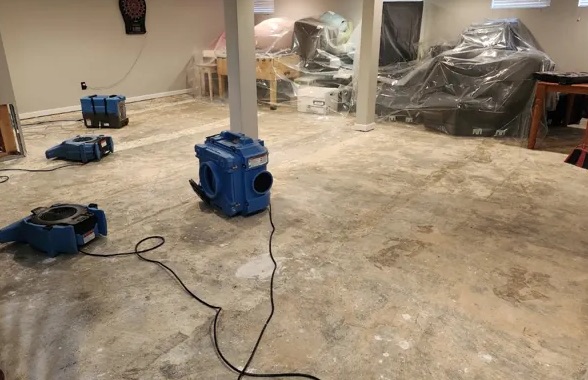
Professional Structural Repairs after Damage in Cypress, TX
In Cypress, water weakens supports over time, so repairs should start early. The local restoration professionals tackle it by implementing a phased plan: initial assessment, aggressive structural drying and dehumidification, and then precise reconstruction of damaged elements.
In Cypress, structural repairs after water events often include load-bearing walls. Nearby communities like Jersey Village, Hockley and Tomball share these concerns, requiring expert intervention to prevent further damage. The professionals provide around-the-clock help and thorough structural damage assessment.
Structural Repairs after Damage Work in Cypress: What's Involved
Floor Joist Repair Services
Soggy floor joists compromise floor stability. Repair starts with a complete subfloor assessment. Experts measure moisture and test wood integrity to choose a method.
Structural Integrity Assessment
A thorough assessment examines connections, load points, and alignment. Professionals look for subtle stress signs like cracks or bowed beams. The plan then covers every problem found.
Load-Bearing Wall Restoration
Water damage to a load-bearing wall requires expert attention. Restoration involves stabilizing the area before drying. Pros may install temporary supports while drying studs.
Structural Moisture Removal
Water-damaged studs and beams often need targeted repair. The professionals dry what can be saved and replace wood that has rotted or swollen.
Post-Flood Structural Repair
In Cypress, post-flood structural repair is a multi-stage process. The pros coordinate drying, debris removal, and reconstruction. They document all damage with photos and notes for the homeowner's insurance claim. They make the structure sound before cosmetic repairs.
Indicators of Structural Water Damage in Cypress
Sagging or Uneven Floors
Sagging floors point to weakened joists and subfloor, a sign of serious water damage.
Bowed or Warped Walls
Visible bowing or warping indicates water has compromised the structural integrity of wall framing, requiring immediate assessment.
Foundation Wall Efflorescence
White, chalky residue on foundation walls means water is seeping through the concrete.
Doors and Windows Sticking
Doors and windows that stick or won't close properly often mean the structural wood framing has swollen.
How Structural Repairs after Damage Work in Cypress
Step 1: Detailed Moisture Mapping
The specialists use thermal imaging and moisture meters to create a precise map of all wet structural components needing drying.
Step 2: Aggressive Structural Drying
An array of desiccant and LGR dehumidifiers is deployed for structural drying and dehumidification of enclosed spaces like wall and floor cavities.
Step 3: Load-Bearing Component Evaluation
Each load-bearing wall, beam, and column is individually evaluated for strength loss to guide specific load-bearing wall restoration work.
Step 4: Repair and Reinforcement Execution
Necessary repairs, from foundation water restoration to sistering joists, are completed using IICRC-standard methods to finalize the structural restoration.
Common Causes of Structural Water Damage in Cypress
Firefighting Water After a Blaze
The substantial water used to extinguish fires soaks structural members, demanding post-fire structural drying methods.
Severe Weather Flooding
Heavy rain or overland flooding can soak a foundation and the framing above it.
Poor Drainage and Grading Issues
Improper yard grading directs water toward the foundation, a common cause of structural moisture removal projects.
Foundation Cracks and Hydrostatic Pressure
Cracked foundations permit groundwater intrusion, a primary cause for foundation water restoration work. The damage needs drying and repair before it spreads.
Cypress Structural Repairs after Damage for All Property Types
Residential Structural Repairs after Damage
For homes, foundation water restoration addresses cracks and seepage. The professionals in Cypress dry the area and add exterior or interior drainage to keep water out.
Commercial Structural Repairs after Damage
For commercial properties, wall framing drying services protect inventory and equipment. The professionals use targeted air movers and dehumidifiers to dry wall cavities in offices or labs without damaging sensitive contents.
Structural Repairs after Damage vs. DIY: When to Call Restoration Professionals
Removing superficial water with a wet-dry vacuum from non-structural surfaces like floor coverings is acceptable if there is no collapse risk. Never pull down wet drywall or plaster from load-bearing walls, as this may destabilize them. Leave wall restoration after water damage to the pros.
Understanding Structural Repairs after Damage Cost in Cypress
How long drying and dehumidifying take affects the cost after a major leak or flood. Longer drying times for dense materials like framing lumber typically increase the total expense.
Required Drying Time
Structural drying and dehumidification processes must run until materials reach a specific moisture content, affecting equipment rental duration and energy use.
Contamination Level
Post-flood structural repair for category 2 or 3 water involves additional safety protocols and cleaning, increasing the overall restoration effort.
Local restoration professionals Labor Rates
The prevailing rates for the specialists in the Texas area are a component of the final service estimate.
Does Insurance Cover Structural Repairs after Damage?
Insurance may cover post-flood structural repair if the flood source is a covered peril in the policy. Homeowners should always review their policy or speak with their agent to understand financial responsibility.
The Value of Local Experts for Cypress Structural Repairs after Damage
Thorough Dehumidification Process
Industrial dehumidifiers lower the ambient humidity to properly dry dense structural materials like framing lumber, preventing warping and mold.
Advanced Moisture Detection
Using penetrating meters and thermal imaging, the specialists locate hidden moisture within wall cavities and structural wood for targeted drying.
Focused Load-Bearing Expertise
Load-bearing walls are dried and repaired so they support the home safely.
Emergency Response for Structural Repairs after Damage in Cypress
When water threatens a home's framework, delay increases repair complexity and potential for mold growth. Homeowners should reach the professionals for urgent structural integrity assessment and mitigation by calling (281) 717-6340 anytime.
Call Now (281) 717-6340Cypress and Nearby Structural Repairs after Damage Service Area
In Cypress, addressing structural water damage quickly prevents long-term issues. The professionals in Cypress dry wall framing and repair floor joists, and also work in Jersey Village, Hockley and Tomball.
Common Structural Repairs after Damage Questions Answered
What is the focus of building structure repair?
It focuses on the foundation, framing, joists and beams, making sure they are dry and can carry their loads.
Can water-damaged load-bearing walls be saved?
Often yes, through professional load-bearing wall restoration involving careful drying and sistering new studs to damaged ones. A structural damage assessment determines if full replacement is necessary.
What happens during wall framing drying services?
Drywall and insulation are removed to expose the wood studs. High-velocity air movers and dehumidifiers then create airflow to evaporate moisture from the lumber until it is dry.
Are special methods used for structural water damage repair?
Yes, methods include cutting access openings, building drying chambers and using industrial equipment for dense, waterlogged materials.
How is structural moisture removal verified?
The pros use penetrating moisture meters to take readings inside wood members. Drying continues until these readings match the moisture content of known dry materials elsewhere in the home.