Iowa Colony, TX · Brazoria County
Temperature-Controlled Drying in Iowa Colony, TXRapid Structural Drying Services & Climate-Controlled Drying Systems
Local moisture control experts provide Temperature-Controlled Drying in Iowa Colony, featuring drying equipment deployment, water damage drying logs, and moisture mapping for precise water damage recovery.
Answered 24/7
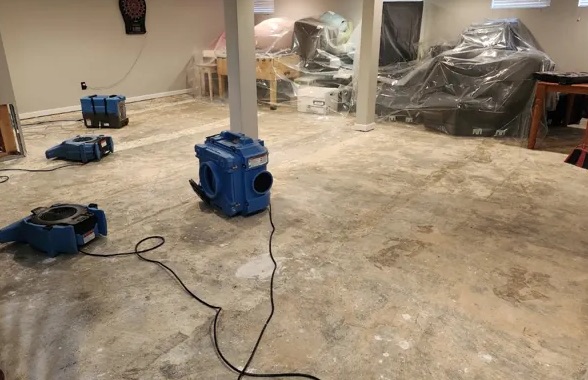
Targeted Temperature-Controlled Drying for Properties in Iowa Colony
In Iowa Colony, moisture that dries unevenly can warp materials and leave hidden mold. Local pros control heat and airflow so drying is even and does not cause more damage.
In Iowa Colony and nearby Manvel, Arcola and Fresno, local pros map moisture in walls and subfloors, then fit thermal drying and humidity control to the materials in the building.
Advanced Temperature-Controlled Drying Techniques in Iowa Colony
Rapid Structural Drying Services
The experts aim air movers at wet studs, joists and subfloors to dry the structure safely.
Climate-Controlled Drying Systems
Dehumidifiers and air movers keep the air in a contained space warm and dry, so moisture moves out of materials faster.
Water Damage Drying Logs
The experts compile drying logs with moisture maps, photos, and readings. This report documents the system's performance and the materials' response, demonstrating a professional approach.
Thermal Drying for Water Damage
Controlled heat combats water damage in hard-to-dry areas like enclosed cavities. Expert calibration of drying equipment avoids harm to sensitive contents.
Drying Equipment Deployment
Pros set up drying machines with safe power, condensate drainage and placement based on the moisture map.
Symptoms Needing Temperature-Controlled Drying in Iowa Colony
Equipment Running With No Result
Fans or dehumidifiers that run for days without drying the area mean the moisture is deeper than household equipment can reach.
Warping of Wood Floors or Trim
Floorboards begin to cup, buckle, or separate at the seams. This warping is a direct result of excessive, uneven moisture content.
Cold, Damp Feeling in a Room
A room feels noticeably colder and damper than the rest of the house. This sensation is often due to evaporative cooling from wet materials.
Soft Drywall or Sagging Ceiling
Drywall feels spongy to the touch or a ceiling sags downward. This softness means the material is saturated and structurally compromised.
How Temperature-Controlled Drying Works in Iowa Colony
Step 1: Initial Moisture Survey and Readings
Pros take baseline moisture readings across the property to plan the drying.
Step 2: Precision Air Mover Placement
Air movers are placed at set angles and distances to target specific wet materials.
Step 3: Deployment of Drying Systems
Dehumidifiers are sized to the moisture load and the size of the space.
Step 4: Ongoing Monitoring and Adjustment
Equipment is moved and adjusted as materials dry, so drying keeps moving.
Sources of Water Intrusion Needing Moisture Removal in Iowa Colony
Storm-Driven Water Intrusion
Heavy rain overflows gutters or gets in around windows and soaks framing and insulation.
Sprinkler System Activation
A fire sprinkler discharges, releasing a large volume of water quickly. This event saturates entire areas and requires precise air mover placement and strategy.
HVAC System Condensation Issues
A clogged condensate drain line causes an overflow inside the air handler. This water can soak insulation and ductwork, creating a hidden moisture issue.
Undetected Plumbing Leaks
A slow drip behind a wall or under a slab saturates materials over time.
Temperature-Controlled Drying for All Property Types in Iowa Colony
Residential Temperature-Controlled Drying
Homeowners benefit from structural drying that prevents mold and preserves structural elements like wood framing and drywall. The experts set up targeted drying arrays to address specific home layouts and materials.
Commercial Temperature-Controlled Drying
For commercial properties, pros run industrial dehumidifiers and air movers to control humidity in large spaces and monitor moisture until the building is dry.
Temperature-Controlled Drying vs. DIY Drying in Iowa Colony
A home's HVAC on 'fan only' mode can circulate air, but it is not a substitute for professional drying. A wet-dry vacuum can remove standing water from a very localized incident.
Understanding Temperature-Controlled Drying Cost in Iowa Colony
In Iowa Colony, cost depends on the size of the wet area and how aggressive the drying must be.
Access and Logistics
Challenging site access in Iowa Colony can complicate equipment deployment and placement, potentially increasing setup time and labor requirements.
Drying Time Required
Longer drying periods for climate-controlled systems mean more equipment runtime and monitoring, impacting the overall cost of the restoration project.
Equipment Needs
The number and type of air movers, dehumidifiers and heaters used affect the cost.
Does Insurance Cover Temperature-Controlled Drying?
Coverage is not automatic and depends on your policy. The pros provide humidity readings and equipment logs for your claim file. Your insurer decides what is covered.
Selecting Moisture Control Experts for Temperature-Controlled Drying in Iowa Colony
Humidity Control for Restoration
Keeping the air dry draws moisture out of materials until the space is stable.
Strategic Equipment Deployment
Air movers and dehumidifiers are placed according to a plan for even airflow and low humidity.
Comprehensive Drying Logs
Detailed, chronological logs of moisture readings and equipment settings provide a transparent record of the entire temperature-controlled drying process.
24/7 Emergency Temperature-Controlled Drying in Iowa Colony
Stop water damage from getting worse while materials sit wet. Call (281) 717-6340 24/7 for drying help from the pros in Iowa Colony.
Call Now (281) 717-6340Temperature-Controlled Drying in Iowa Colony and Other Areas Served
Other places served are listed below, each with its own page.
- Temperature-Controlled Drying in Manvel
- Temperature-Controlled Drying in Arcola
- Temperature-Controlled Drying in Fresno
- Temperature-Controlled Drying in Sienna
- Temperature-Controlled Drying in Rosharon
- Temperature-Controlled Drying in Deer Park
- Temperature-Controlled Drying in Barrett
- Temperature-Controlled Drying in Crosby
Frequently Asked Questions About Temperature-Controlled Drying
When is climate-controlled drying necessary versus regular drying?
Climate-controlled drying is necessary for severe losses, sensitive materials, or when precise environmental control is needed to prevent damage, unlike simple air drying for minor spills.
What is the difference between air movers and dehumidifiers?
Air movers evaporate moisture from surfaces into the air, and dehumidifiers pull it back out of the air.
What does drying equipment deployment involve?
Pros assess the loss, calculate how much equipment is needed and place air movers, dehumidifiers and sometimes heaters.
What is the strategy behind air mover placement?
They are angled to move air across wet surfaces in a pattern, so moisture evaporates into the air where dehumidifiers can capture it.
How is drying progress verified during moisture monitoring?
Progress is verified by taking comparative moisture readings with penetrating and non-penetrating meters over time, ensuring levels drop to established dry standards for each material.