Manvel, TX · Brazoria County
Temperature-Controlled Drying in Manvel, TXMoisture Mapping & Humidity Control For Restoration
For Temperature-Controlled Drying in Manvel, local temperature-controlled drying specialists handle thermal drying for water damage, humidity control for restoration, and drying equipment deployment to prevent mold.
Answered 24/7
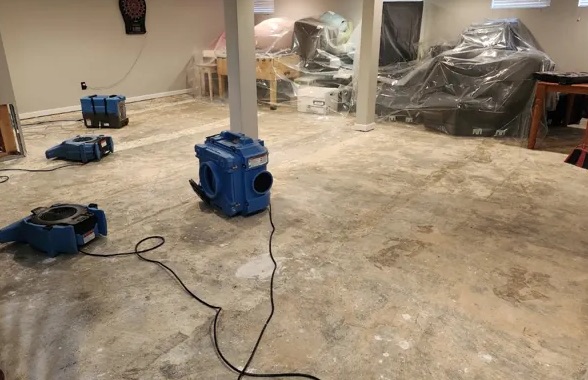
Expert Temperature-Controlled Drying Services in Manvel, Texas
In Manvel, structural drying aims to bring materials back to their normal moisture level. Low humidity in the drying area helps pull moisture out of dense materials.
In Manvel and nearby Iowa Colony, Arcola and Alvin, fast structural drying stops mold before it starts. Local pros map moisture, then use LGR dehumidifiers and planned air mover placement until readings are normal.
Temperature-Controlled Drying Services in Manvel
Moisture Mapping
Local temperature-controlled drying specialists take moisture readings at many points and depths to map every wet area and set drying goals, so nothing is missed.
Humidity Control for Restoration
The specialists run dehumidifiers to pull water vapor out of the air, which draws more moisture out of wet surfaces and prevents secondary damage.
Climate-Controlled Drying Systems
Dehumidifiers and air movers keep the air in a contained space warm and dry, so moisture moves out of materials faster.
Water Damage Drying Logs
The specialists create detailed, timestamped drying logs. These records track initial readings, daily progress, and final verification, providing proof that industry-standard drying was followed.
Drying Equipment Deployment
The specialists choose the mix of air movers, dehumidifiers and heaters from the size of the area, the materials and the moisture levels, then set it up to run safely.
Signs You Need Professional Temperature-Controlled Drying in Manvel
High Humidity Readings Inside
A hygrometer showing unusually high indoor humidity after water damage means the building is still wet.
Discoloration on Drywall or Ceilings
Yellow or brown water stains appear on surfaces that seem dry. These stains suggest moisture is still present inside the wall cavity.
Cracking of Plaster or Joints
Plaster or drywall joint tape develops new cracks or fissures. These cracks occur as wet materials swell and then contract during drying.
Equipment Running With No Result
Fans or dehumidifiers that run for days without drying the area mean the moisture is deeper than household equipment can reach.
How Temperature-Controlled Drying Works in Manvel
Step 1: Assessment and Moisture Detection
The pros perform a thorough assessment using thermal imaging and moisture meters. This identifies the full extent of damage, guiding the drying plan.
Step 2: Containment and Airflow Strategy
Plastic barriers close off the wet area so humidity can be controlled, and air movers are placed to move air across wet materials.
Step 3: Thermal Drying System Activation
Specialized thermal drying equipment is activated to gently raise the air temperature in the space.
Step 4: Verification and Structural Drying Completion
Readings are compared with dry areas of the building to confirm drying is complete.
Common Causes Requiring Structural Drying in Manvel
HVAC System Condensation Issues
A clogged condensate drain line causes an overflow inside the air handler. This water can soak insulation and ductwork, creating a hidden moisture issue.
Poor Ventilation After a Flood
Closing up a wet room traps humid air, which slows drying and lets moisture soak further into materials.
Storm-Driven Water Intrusion
Heavy rain overflows gutters or gets in around windows and soaks framing and insulation.
Sprinkler System Activation
A fire sprinkler discharges, releasing a large volume of water quickly. This event saturates entire areas and requires precise air mover placement and strategy.
Whole-Property Temperature-Controlled Drying in Manvel
Residential Temperature-Controlled Drying
In condos and apartments, containment barriers and negative air machines keep moisture from moving into neighboring units while drying runs.
Commercial Temperature-Controlled Drying
Restaurants and food service businesses need rapid, sanitary drying to comply with health regulations after a water event. The pros use specialized equipment and antimicrobial treatments during the drying process.
Temperature-Controlled Drying vs. DIY Drying in Manvel
Letting a room air dry for days risks mold and lets moisture wick into nearby materials. Air movers and dehumidifiers dry it in a fraction of the time.
Understanding Temperature-Controlled Drying Cost in Manvel
In Manvel, cost depends on how far the moisture spread and how many rooms need drying equipment and monitoring.
Extent of Water Damage
The larger the area that needs drying, the more equipment and labor the job takes.
Equipment Needs
The number and type of air movers, dehumidifiers and heaters used affect the cost.
Access and Logistics
Challenging site access in Manvel can complicate equipment deployment and placement, potentially increasing setup time and labor requirements.
Does Insurance Cover Temperature-Controlled Drying?
Many homeowner policies cover temperature-controlled drying when it stems from a sudden, covered peril like a burst pipe. The specialists document all damage with photos and moisture readings for your claim submission.
Advantages of Hiring Local Specialists in Manvel for Temperature-Controlled Drying
Strategic Equipment Deployment
Air movers and dehumidifiers are placed according to a plan for even airflow and low humidity.
Targeted Thermal Drying
Applying directed heat energy safely accelerates the drying of dense materials, reducing the overall timeline for the restoration project.
Structural Drying
The focus is on quickly extracting moisture from structural components to minimize warping, swelling, or the potential for mold growth.
24/7 Temperature-Controlled Drying for Emergencies in Manvel
Wet walls and floors keep getting worse until they are dried. Call local pros at (281) 717-6340 to set up drying equipment.
Call Now (281) 717-6340Temperature-Controlled Drying Serving Manvel and Nearby Areas
The pros provide temperature-controlled drying for Manvel and adjacent areas such as Iowa Colony, Arcola and Alvin.
- Temperature-Controlled Drying in Iowa Colony
- Temperature-Controlled Drying in Arcola
- Temperature-Controlled Drying in Alvin
- Temperature-Controlled Drying in Fresno
- Temperature-Controlled Drying in Pearland
- Temperature-Controlled Drying in Rosharon
- Temperature-Controlled Drying in Friendswood
- Temperature-Controlled Drying in Missouri City
- Emergency Damage Restoration in 77578
- Storm Damage Restoration in 77578
- Water Damage Restoration in 77578
- Water Extraction Service in 77578
- Water Leak Detection in 77578
- Water Removal Service in 77578
Temperature-Controlled Drying Information and FAQs
What is the difference between air movers and dehumidifiers?
Air movers evaporate moisture from surfaces into the air, and dehumidifiers pull it back out of the air.
What are water damage drying logs used for?
Drying logs are detailed records of moisture readings, equipment settings, and progress; they provide documentation for the restoration process and are often required for insurance claims.
What are the benefits of rapid structural drying services?
Rapid structural drying minimizes the time materials are wet, reducing the risk of swelling, warping, and secondary damage like mold, which helps preserve property value.
What is the strategy behind air mover placement?
They are angled to move air across wet surfaces in a pattern, so moisture evaporates into the air where dehumidifiers can capture it.
What happens if hidden moisture is not found during mapping?
Undetected moisture can lead to ongoing deterioration, odor issues, and mold growth inside walls or under floors, underscoring the critical need for thorough initial assessment.