Spring, TX · Harris County
Temperature-Controlled Drying in Spring, TXDrying Equipment Deployment & Moisture Mapping
Temperature-Controlled Drying in Spring includes moisture mapping, rapid structural drying services and water damage drying logs from local drying equipment pros.
Answered 24/7
Professional Temperature-Controlled Drying in Spring, TX
In Spring, the air itself can slow drying. Local pros run industrial dehumidifiers to strip moisture from the air so wet materials dry faster.
In Spring and nearby The Woodlands, Humble and Porter, local pros map moisture in walls and subfloors, then fit thermal drying and humidity control to the materials in the building.
Advanced Temperature-Controlled Drying Techniques in Spring
Drying Equipment Deployment
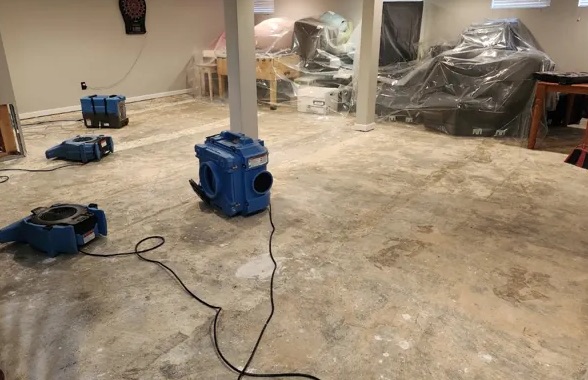
The pros set up LGR dehumidifiers, axial fans and cavity drying systems to work together on the wet structure.
Moisture Mapping
Moisture mapping uses penetrating and non-penetrating meters to document water migration. This creates a blueprint of wet areas, including hidden moisture behind walls.
Air Mover Placement for Drying
Expert deployment of air movers displaces the saturated air layer clinging to wet materials. Proper placement helps ensure every surface receives directed airflow, the engine of evaporation.
Climate-Controlled Drying Systems
Dehumidifiers and air movers keep the air in a contained space warm and dry, so moisture moves out of materials faster.
Water Damage Drying Logs
The pros create detailed, timestamped drying logs. These records track initial readings, daily progress, and final verification, providing proof that industry-standard drying was followed.
Indicators for Temperature-Controlled Drying in Spring Properties
Cold, Damp Feeling in a Room
A room feels noticeably colder and damper than the rest of the house. This sensation is often due to evaporative cooling from wet materials.
Cracking of Plaster or Joints
Plaster or drywall joint tape develops new cracks or fissures. These cracks occur as wet materials swell and then contract during drying.
Damp Odors Persisting After Water
A musty smell lingers even after visible water is gone, indicating hidden moisture. That odor often signals mold or trapped dampness.
Moisture Meter Shows High Readings
A moisture meter reading high inside walls or floors means drying is not finished.
How Temperature-Controlled Drying Works in Spring
Step 1: Establishing the Drying Environment
The first step involves preparing the area by removing debris and setting up containment if needed.
Step 2: Implementing the Drying Array
Air movers and dehumidifiers are paired in a planned layout to dry walls and floors.
Step 3: Executing Temperature-Controlled Drying
The system executes temperature-controlled drying, maintaining ideal conditions to draw moisture out of materials.
Step 4: Final Verification and Documentation
Final verification compares moisture readings in affected materials to known dry standards in the home.
What Leads to Needing Temperature-Controlled Drying in Spring
Sprinkler System Activation
A fire sprinkler discharges, releasing a large volume of water quickly. This event saturates entire areas and requires precise air mover placement and strategy.
Foundation Cracks and Seepage
Hydrostatic pressure forces groundwater through cracks in the foundation wall. This seepage creates a constant dampness that challenges standard drying technology.
Poor Ventilation After a Flood
Closing up a wet room traps humid air, which slows drying and lets moisture soak further into materials.
Storm-Driven Water Intrusion
Heavy rain overflows gutters or gets in around windows and soaks framing and insulation.
Whole-Property Temperature-Controlled Drying in Spring
Residential Temperature-Controlled Drying
Residential restoration focuses on saving personal items and preventing long-term odors in living areas and bedrooms. The specialists employ thermal drying for water damage to gently yet effectively dry contents and building materials.
Commercial Temperature-Controlled Drying
In commercial settings, uncontrolled humidity can damage sensitive electronics, documents, and finished goods. The pros implement humidity control for restoration to create optimal drying conditions for diverse materials.
Temperature-Controlled Drying: DIY Risks vs. Professional Care in Spring
After the water is removed, wipe hard surfaces like tile or sealed wood with a disinfectant, and shut off the water source if it is still leaking.
Understanding Temperature-Controlled Drying Cost in Spring
In Spring, cost depends on how far the moisture spread and how many rooms need drying equipment and monitoring.
Documentation Requirements
Detailed drying logs and moisture reports for insurance take extra time to prepare.
Structural Material Types
Porous materials like concrete or dense wood require more aggressive drying strategies and extended monitoring, influencing the project timeline and cost.
Access and Logistics
Challenging site access in Spring can complicate equipment deployment and placement, potentially increasing setup time and labor requirements.
Does Insurance Cover Temperature-Controlled Drying?
Humidity control for restoration following a water incident might be considered under the drying portion of a claim. The pros in Spring provide precise documentation of the controlled drying systems used and the results achieved.
Benefits of Local Drying Equipment Pros for Temperature-Controlled Drying in Spring
IICRC-Standard Drying Methods
Drying follows industry guidelines and is checked with meters, which keeps framing and floors from staying wet.
Advanced Moisture Mapping
Moisture meters and thermal cameras find hidden wet pockets so every affected material is dried.
Humidity Control for Restoration
Keeping the air dry draws moisture out of materials until the space is stable.
24/7 Emergency Temperature-Controlled Drying in Spring
Don't let moisture settle in. For emergency deployment of drying equipment and strategic air mover placement to start controlled drying, reach the pros directly at (281) 717-6340, available 24/7.
Call Now (281) 717-6340Temperature-Controlled Drying Serving Spring and Nearby Areas
Temperature-controlled drying is available for homes in Spring and nearby places like The Woodlands, Humble and Porter.
- Temperature-Controlled Drying in The Woodlands
- Temperature-Controlled Drying in Humble
- Temperature-Controlled Drying in Porter
- Temperature-Controlled Drying in New Caney
- Temperature-Controlled Drying in Tomball
- Temperature-Controlled Drying in Conroe
- Temperature-Controlled Drying in Pinehurst
- Temperature-Controlled Drying in Magnolia
- Emergency Damage Restoration in 77373
- Storm Damage Restoration in 77373
- Water Damage Restoration in 77373
- Water Extraction Service in 77373
- Water Leak Detection in 77373
- Water Removal Service in 77373
- Emergency Damage Restoration in 77379
- Storm Damage Restoration in 77379
Temperature-Controlled Drying FAQs for Spring Property Owners
Why is moisture mapping important for drying?
Sensors measure moisture across the affected area to show exactly where it is wet, so equipment is aimed at the right spots.
What should a property owner do while waiting for help with drying?
If safe, remove obvious standing water with a mop or towels, move dry contents away from the wet area, and avoid using household fans which can spread contaminants.
How does humidity control aid in restoration?
Drier air pulls water out of wet materials faster, so lowering humidity speeds up drying.
How does thermal drying for water damage work?
Thermal drying applies carefully managed heat to increase the evaporation rate of moisture trapped within materials, accelerating the drying process while monitored to prevent damage.
When is climate-controlled drying necessary versus regular drying?
Climate-controlled drying is necessary for severe losses, sensitive materials, or when precise environmental control is needed to prevent damage, unlike simple air drying for minor spills.